Somewhere along the way, “dog breath” became a punchline, a smell we just accept as part of owning a dog. That acceptance is exactly the problem.
Healthy dogs don’t actually have foul breath. When a dog’s mouth smells genuinely bad, it’s a signal, and most of the time that signal is pointing straight at the teeth.
This guide covers what really causes bad breath, the specific smells that mean something more serious, and how to fix the problem at its source. Spoiler: air freshener and breath sprays treat the symptom, not the cause.
Bad Breath Isn’t Just Dog Breath
Let’s clear up the biggest myth first. Mild, neutral breath is normal, but a strong, offensive odor is not something healthy dogs have.
The medical term is halitosis, and it almost always reflects an underlying issue rather than a quirk of the breed or the species. Persistent bad breath means something in the mouth or body needs attention.
So the right reaction to genuinely bad breath isn’t to tolerate it. It’s to find out what’s causing it, because the smell is the first easy-to-notice clue of problems that get harder to fix the longer they sit.
The Number One Cause: Dental Disease
By a wide margin, the most common cause of bad breath is dental disease. It’s also the reason most dogs develop some degree of mouth trouble by the age of three.
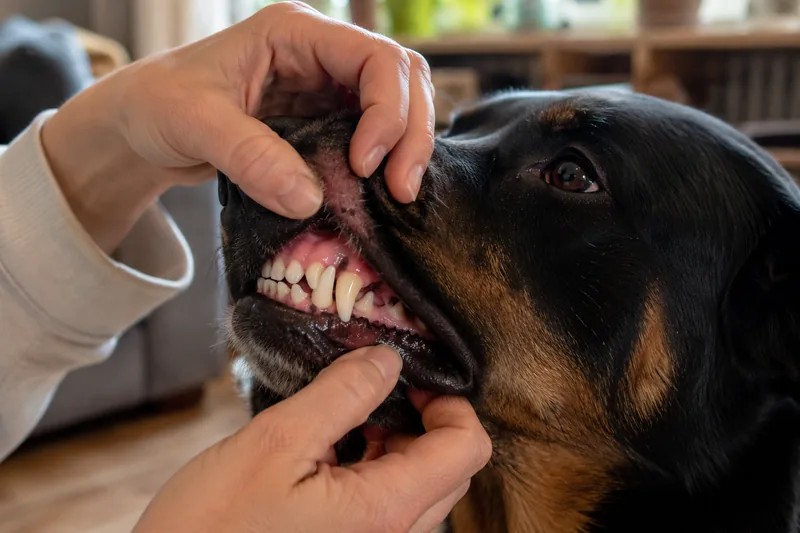
The process starts with plaque, a film of bacteria on the teeth. Left alone, plaque hardens into tartar, inflames the gums, and progresses to periodontal disease beneath the gumline.
All of that bacterial activity produces the foul smell. The more advanced the disease, the worse the odor, and the more pain and infection ride along with it.
This is why dental care is the front line against bad breath. Consistent tooth brushing removes the plaque before it can turn into smelly, damaging tartar.
Other Mouth Problems
Dental disease leads the pack, but other oral issues cause bad breath too. A cracked, broken, or abscessed tooth can harbor infection and produce a strong, sudden odor.
Foreign objects are another culprit. A piece of stick, bone, or other debris lodged in the gums or between teeth can rot and smell while irritating the mouth.
Oral growths and tumors, while less common, can also cause odor along with bleeding or difficulty eating. Any mass in the mouth is a reason to see the vet promptly.
Infections of the gums, tongue, or other soft tissues round out the oral causes. All of these share a theme: something in the mouth is inflamed, infected, or decaying, and it needs a professional look.
Diet and Habits
Sometimes the answer is simpler and sits in the food bowl, or somewhere less pleasant. What a dog eats affects how its breath smells.
Certain foods and strong-smelling treats can leave a lingering odor, though this is usually temporary. Diet rarely explains truly foul, persistent breath on its own.
Then there’s the habit no owner enjoys discussing. Dogs that eat feces, their own or other animals’, or raid the trash will have breath that reflects it.
These habit-driven smells come and go with the behavior. If bad breath is constant regardless of diet, the cause is more likely in the mouth or the body than the bowl.
When the Smell Signals Something Bigger
Here’s where bad breath becomes genuinely important to notice. Certain distinctive smells can point to serious systemic illness, not just a dirty mouth.
A breath that smells like urine or ammonia can be a sign of kidney disease, as toxins the kidneys normally clear build up in the body. It’s one of the more recognized warning smells.
A sweet or fruity odor can signal diabetes, reflecting a metabolic problem that needs prompt veterinary care. An unusually foul or musty smell, sometimes with other symptoms, can suggest liver disease.
These aren’t smells to manage with a breath treat. If your dog’s breath takes on any of these distinctive odors, especially alongside changes in appetite, thirst, energy, or weight, call your vet.
Sudden Bad Breath
A gradual increase in doggy breath usually points to slow-building dental disease. A sudden change is a different signal and deserves quicker attention.
Bad breath that appears abruptly often means a new, acute problem: a fractured or abscessed tooth, something stuck in the mouth, or a fresh infection. The mouth went from fine to foul for a reason.
Sudden odor can also be the first hint of an internal issue surfacing. Because the change is fast, it’s easier to connect to a specific cause if you act while it’s fresh.
When breath changes suddenly, look in the mouth if your dog allows it, and book a vet visit. Catching the trigger early usually means an easier fix.
How to Fix Bad Breath for Good
Lasting fresh breath comes from treating the cause, and since that’s usually the teeth, dental care is the core of the fix. Start with regular brushing using dog-specific toothpaste, ideally daily.
Professional dental cleanings are the other pillar. Your vet can remove the tartar that brushing can’t, clean below the gumline, and treat any disease already present, giving you a fresh starting point to maintain.
Vet-approved dental chews and diets help reduce plaque between brushings. Look for products with the Veterinary Oral Health Council seal, which signals proven plaque or tartar reduction.
A dog that’s reluctant to eat or chew may already be in dental pain, which overlaps with the patterns in our guide on a dog that won’t chew its food. That hesitation is worth mentioning to your vet, because pain and bad breath often travel together.
Quick Fixes vs Real Fixes
It’s tempting to reach for a fast solution, and a few genuinely help as part of a routine. Dental water additives, dental wipes, and quality dental chews can all support fresher breath.
The key distinction is reducing plaque versus merely masking odor. Products that cut plaque and tartar address the cause, while breath sprays and flavored treats that only cover the smell are a temporary disguise.
Masking is the trap. A minty cover-up can hide worsening dental disease, letting it progress painfully while the surface smell seems fine.
So use the quick fixes as helpers, not as the whole plan. If the breath keeps returning or is strong to begin with, that’s your cue that a real fix, brushing plus a vet’s help, is needed.
When to See the Vet
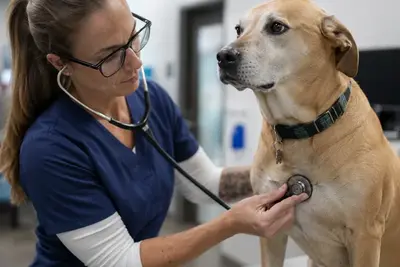
Persistent or strong bad breath is itself a good reason to see the vet, since it usually means dental disease that needs professional care. Don’t wait for your dog to seem sick.
Go promptly if you notice any of the warning smells, urine, sweet, or unusually foul, or if bad breath comes with drooling, bleeding, pawing at the mouth, appetite loss, or trouble eating. Those suggest pain, infection, or a systemic issue.
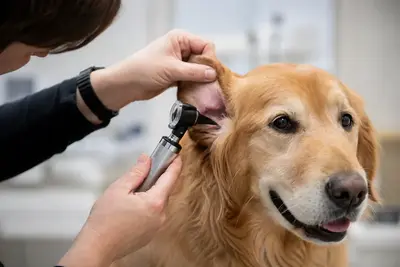
Sudden bad breath and any visible mouth problem, like a broken tooth or a mass, also warrant a visit. The vet can examine the mouth, recommend a cleaning, and run tests if an internal cause is suspected.
Routine checkups matter too. Regular wellness and dental exams catch problems early, often before the breath even turns.
Keeping Breath Fresh Long Term
Once you’ve addressed the cause, keeping breath fresh is mostly about consistent dental care. Daily or near-daily brushing is the single most effective habit.
Build a simple routine that combines brushing, vet-approved dental chews, and regular cleanings. Folding tooth care into your dog’s other grooming habits helps it stick.
Stay alert to changes, since your dog’s breath is a handy early-warning system. A new or worsening smell is a prompt to check the mouth and, if needed, the vet.
Keep up routine wellness visits as well. They catch the dental and internal issues that cause bad breath while they’re still small and easy to manage.
Final Thoughts
Bad breath is one of the most useful signals your dog gives you, precisely because it’s so easy to notice. The mistake is treating it as normal instead of as the message it is.
Most of the time, that message is about the teeth, and the fix is the same dental care that protects your dog’s whole mouth: brushing, chews, and professional cleanings. Address the cause, and the smell goes with it.
Just stay alert to the breath that smells truly wrong, like urine, sweetness, or rot, because that’s the version pointing beyond the mouth. When in doubt, let your vet read the clue, because fresh breath is really a sign of a healthy dog.
Frequently Asked Questions
Tackle the cause, which is usually the teeth. Brush your dog's teeth regularly with dog toothpaste, offer vet-approved dental chews, and get professional cleanings as your vet recommends. Quick fixes like dental water additives help, but if the breath is strong or sudden, see a vet first, because masking the smell won't fix the disease behind it.
Mild doggy breath is common, but genuinely foul, strong, or sudden bad breath is worth a vet visit. It usually means dental disease that's painful and progressive, and occasionally it points to kidney, liver, or diabetic problems. Bad breath is a symptom, not just an odor, so persistent stink deserves attention rather than air freshener.
Sudden bad breath can mean a new dental problem like a cracked or abscessed tooth, something stuck in the mouth, or an oral infection. It can also be an early sign of an internal issue. Because a sudden change is more concerning than gradual doggy breath, it's a good reason to have your vet take a look soon.
A urine or ammonia smell can signal kidney problems, a sweet or fruity smell can point to diabetes, and an unusually foul or musty odor can suggest liver issues. These breath changes are red flags that go beyond dental disease. If you notice them, especially with other symptoms, contact your vet promptly.
They can help as part of a routine, especially products carrying the Veterinary Oral Health Council seal, which are shown to reduce plaque or tartar. But they work best alongside brushing and cleanings, not instead of them. Treats and additives that only mask odor without reducing plaque are a temporary cover, not a fix.