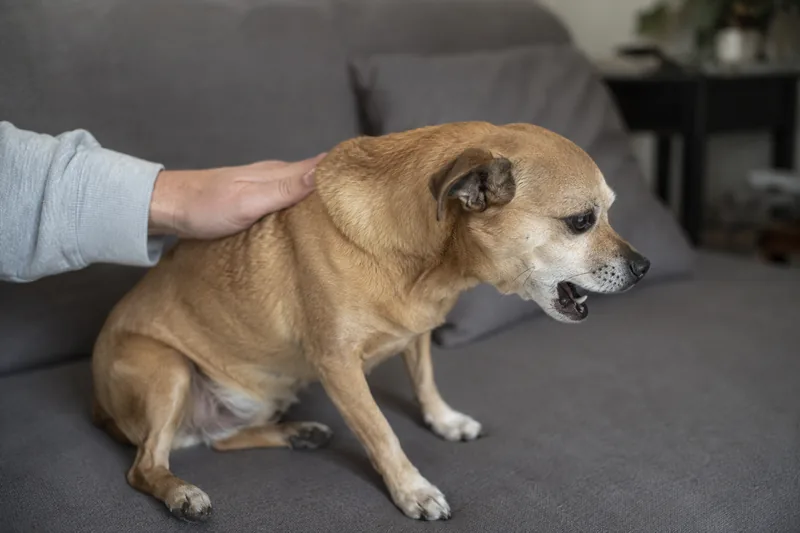
An occasional cough is as normal in dogs as it is in people, just the airway clearing a tickle. A cough that keeps going, or that sounds wrong, is a different story.
Coughing is a symptom with a wide range of causes, from a mild contagious infection to serious heart or lung disease. The good news is that the sound, timing, and company a cough keeps narrow the field quickly.
This guide covers the main types of cough, what each tends to mean, and the point where a cough stops being a nuisance and becomes a reason to see the vet.
This guide is for general education and does not replace veterinary care. A cough with breathing trouble or blue gums is an emergency, so do not wait on those.
What a Cough Is
A cough is a forceful push of air that clears the throat and airways. It is a protective reflex, which is why a single cough now and then is nothing to worry about.
The problem is repetition. A cough that recurs through the day, lingers for days, or interrupts sleep means something keeps irritating or straining the airway.
That persistence is the signal to pay attention. The cough itself is rarely the disease, so the goal is to find what is driving it.
The Different Coughs and What They Mean
The sound of a cough is one of the most useful clues you can give a vet. A dry, harsh, honking cough points toward the upper airway, like kennel cough or a collapsing windpipe.
A wet or productive cough that sounds like fluid suggests something deeper in the lungs, such as pneumonia or fluid from heart disease. A soft cough paired with gagging often involves the throat.
Timing matters too. A cough that worsens at night or after lying down raises the suspicion of heart disease, while one that flares with exercise or excitement leans toward the airway.
Kennel Cough and Infections
Kennel cough is the classic contagious cough, and it is the first suspect in a recently social dog. It produces a harsh, honking cough, often with a gag at the end, a few days to a week after exposure.
It spreads easily where dogs gather, including boarding kennels, daycare, parks, and grooming salons. Most healthy adult dogs recover on their own, much like a human cold.
Other infections cause coughs too, from canine influenza to pneumonia. Puppies, seniors, and dogs with other illnesses are the ones most likely to need treatment rather than just rest.
Allergies and Irritants
Allergies do not only cause itchy skin. They can inflame the airways and trigger coughing and sneezing, often in a seasonal pattern.
Environmental irritants act the same way. Smoke, dust, strong cleaners, and aerosols can all set off a cough in a sensitive dog.
When a cough follows the seasons or the environment, allergies move up the list. Our guide to seasonal allergy treatment covers the relief options worth discussing with your vet.
Heart Disease and Coughing
A cough can be one of the first outward signs of heart disease, especially in older small-breed dogs. As the heart struggles, fluid can back up into the lungs and trigger a soft, persistent cough.
The telltale pattern is a cough that is worse at night or when lying down, often with reduced energy and stamina. It tends to build gradually rather than appear overnight.
Because heart disease is serious but manageable when caught early, this pattern is worth a prompt vet visit. The earlier it is found, the more can be done.
Collapsing Trachea
A collapsing trachea is a common cause of coughing in small and toy breeds. The windpipe loses some of its rigidity and flattens, especially during excitement or pressure on the neck.
The signature is a dry, honking cough, often described as sounding like a goose. It tends to flare with excitement, exercise, or a tug on the collar.
Switching from a collar to a harness takes pressure off the windpipe and often helps. A vet can confirm it and discuss the options for more significant cases.
When a Cough Is an Emergency
Most coughs can wait for a regular appointment, but some cannot. A cough paired with labored or fast breathing, or with blue, gray, or pale gums, is an emergency.
Other red flags include coughing up blood, weakness or collapse, and a constant cough that will not let your dog rest. These point to the more dangerous causes covered in our guide to breathing problems in dogs.
When any of these show up, skip the wait. Head to an emergency vet and keep your dog calm and cool on the way.
How Vets Diagnose a Cough
The visit usually starts with questions and a stethoscope. When the cough started, what it sounds like, and when it happens all guide the vet, who listens to the heart and lungs for clues.
From there, chest X-rays are the workhorse test. They show the lungs, heart, and airways, and often point straight to the cause.
Depending on the findings, blood tests, a heartworm test, or further imaging may follow. Matching the test to the suspected cause is what makes the treatment work.
When to See the Vet
A single cough in a bright, playful dog can be watched for a day or two. Beyond that, most coughs are worth a call.
Book a visit for a cough that lasts more than a few days, that keeps returning, or that comes with lethargy, poor appetite, or sneezing. Move immediately for breathing trouble, blue gums, or coughing up blood.
When you are unsure, note the sound and timing and call the clinic. That detail helps the vet point you toward the right level of urgency.
Final Thoughts
A cough is the body doing its job, but a persistent one is a message worth reading. Most causes are very treatable, especially when caught before they progress.
Pay attention to the sound, the timing, and what else is going on, and share that with your vet. With the cause identified, the large majority of canine coughs clear up or come under good control.
Frequently Asked Questions
Persistent coughing usually has a specific cause, most often an infection like kennel cough, allergies, heart disease, a collapsing trachea, or an inhaled irritant or object. The pattern and sound help narrow it down, but a cough that lasts more than a few days needs a vet. Coughing paired with lethargy or breathing trouble should be seen sooner.
Kennel cough classically sounds like a harsh, dry, honking cough, often followed by a gag or retch as if something is stuck. It usually shows up a few days to a week after exposure at a boarding facility, dog park, or daycare. Most cases are mild and self-limiting, but puppies, seniors, and sick dogs can develop complications and should see a vet.
Treat it as urgent if coughing comes with labored or fast breathing, blue or pale gums, weakness, or collapse. Coughing up blood, or a constant cough that won't let your dog rest or sleep, also warrants immediate care. These can signal heart failure, pneumonia, or an airway obstruction rather than a simple cough.
Yes. Just as allergies cause sneezing and itchy skin, they can inflame the airways and trigger coughing, especially seasonally. Allergic coughs often come with sneezing, watery eyes, or itchiness. If the cough follows a seasonal pattern, allergies are worth discussing with your vet, who can confirm the cause and suggest relief.
A cough that's worse at night or when lying down can be a sign of heart disease, so it deserves a vet visit. Lying flat can also aggravate a collapsing trachea. Note when the cough happens and what it sounds like, since that timing is genuinely useful information for your vet.