Anxiety is one of the most common and most overlooked problems in dogs. It hides behind behaviors that look like misbehavior, from destruction to barking to accidents indoors.
Recognizing anxiety for what it is changes everything. It sits behind a large share of dog behavior problems, so seeing the fear behind the behavior lets you help instead of punishing a dog that is already struggling.
This guide covers what dog anxiety looks like, what causes it, and the practical steps that help an anxious dog feel safe.
This guide is for general education and does not replace veterinary care. Severe or worsening anxiety deserves a vet or veterinary behaviorist, since treatment may include medication.
What Dog Anxiety Looks Like
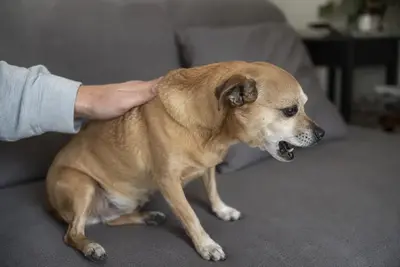
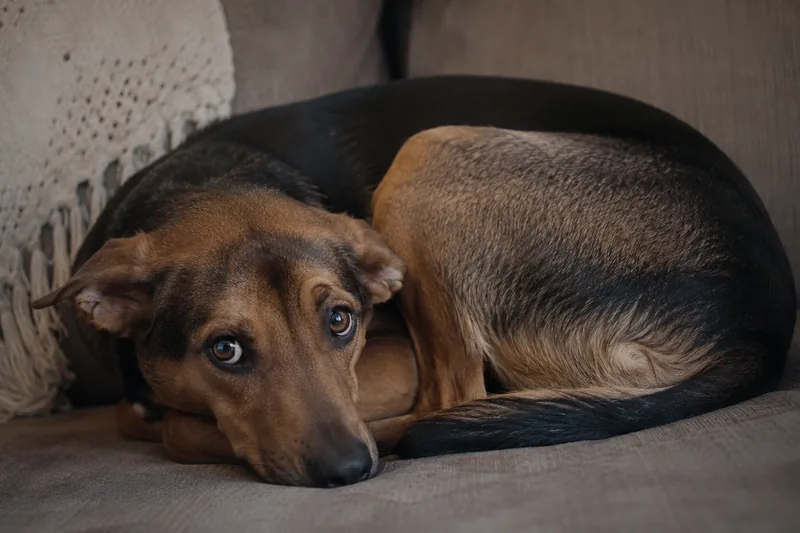
Anxiety shows up in the body and the behavior. Common signs include pacing, panting, trembling, drooling, and a tucked tail, along with whining or barking.
Anxious dogs may also become destructive, have accidents indoors, or follow you from room to room. Some shut down and hide, while others get clingy or restless.
Because these signs overlap with other issues, context matters. Anxiety often spikes around a specific trigger, like you leaving or a thunderstorm starting.
Common Types of Anxiety
Dog anxiety tends to fall into a few patterns. Separation anxiety, triggered by being left alone, is one of the most common and most disruptive.
Noise anxiety, set off by thunder, fireworks, or other loud sounds, is another frequent type. Social anxiety around unfamiliar people or dogs, and age-related anxiety in senior dogs, round out the list.
Knowing which type you are dealing with shapes the plan. The triggers and the fixes differ between a dog scared of storms and one panicked by being alone.
What Causes Anxiety
Anxiety has many roots. A lack of early socialization, a frightening past experience, genetics, and changes in routine or environment can all play a part.
Rescue dogs and those with unknown histories are especially prone, but any dog can develop anxiety. Sometimes a clear trigger exists, and sometimes the cause is never fully known.
Aging adds another layer. Cognitive decline in older dogs can bring on new anxiety, which is one reason a vet check matters when anxiety appears late in life.
Separation Anxiety
Separation anxiety deserves special mention because it is so common. It shows up as distress when a dog is left alone, including barking, destruction near exits, pacing, or accidents.
The behavior is panic, not spite. A dog tearing up the door is not getting even, it is frantically trying to reunite with its person.
Mild cases often respond to gradual practice being alone and a calm, undramatic departure routine. Severe cases need a structured desensitization plan and sometimes medication.
How to Calm an Anxious Dog
Several everyday steps make a real difference. Plenty of exercise, a predictable routine, and a safe, quiet space the dog can retreat to all lower baseline stress.
Mental stimulation helps as much as physical exercise. Puzzle feeders, training games, and regular play and enrichment give an anxious mind something better to do.
Gradual desensitization is the gold standard for specific triggers. You expose the dog to a tiny, tolerable dose of the trigger and pair it with good things, building tolerance over time.
Calming Aids and Medication
A range of aids can support an anxious dog. Compression wraps, calming pheromone diffusers, and vet-approved supplements help some dogs take the edge off.
For moderate to severe anxiety, medication can be a genuine kindness. Anti-anxiety medication prescribed by a vet often makes behavior training possible by lowering the panic enough to learn.
These tools work best alongside training, not instead of it. The aim is to help the dog feel safe enough to actually change the underlying response.
When to See the Vet
Anxiety is worth a vet visit when it is severe, worsening, or interfering with daily life. Self-injury, destructive panic, or a dog that cannot be left alone at all all warrant professional help.
Your vet can rule out medical causes, since pain and illness can mimic or worsen anxiety. They can also refer you to a veterinary behaviorist for a tailored plan.
Anxiety-driven barking is one common thread worth following too, since the noise often signals the underlying fear. Our guide on why dogs bark covers that overlap.
Final Thoughts
Anxiety is common, treatable, and not a character flaw in your dog. The dog acting out is usually a dog that is scared, and that reframing is the first step to helping.
Build a calm routine, meet your dog’s needs for exercise and stimulation, and lean on your vet when the anxiety runs deep. With patience and the right plan, most anxious dogs can learn to feel safe.
Frequently Asked Questions
Common signs include pacing, panting, trembling, drooling, a tucked tail, whining or barking, destructive behavior, accidents indoors, hiding, and clinginess. The signs often spike around a specific trigger, such as you leaving the house or a thunderstorm starting. Because they overlap with other issues, the timing and trigger are important clues.
Anxiety can stem from a lack of early socialization, a frightening past experience, genetics, and changes in routine or environment. Rescue dogs and those with unknown histories are especially prone, though any dog can develop it. In senior dogs, cognitive decline can bring on new anxiety, which is why a vet check matters when anxiety appears late in life.
Provide plenty of exercise, a predictable routine, and a safe, quiet space your dog can retreat to. Add mental stimulation through puzzle feeders and training games, and use gradual desensitization for specific triggers, exposing your dog to a tiny, tolerable dose paired with good things. Calming aids and, for severe cases, vet-prescribed medication can support the training.
Usually not, and it often gets worse when ignored, since the dog keeps rehearsing the fear. The good news is that with a calm routine, met needs, gradual desensitization, and sometimes medication, most anxious dogs improve a great deal. The earlier you address it, the easier it tends to be.
For moderate to severe anxiety, vet-prescribed medication can be a real kindness, often by lowering the panic enough that training can actually work. It is best used alongside behavior work rather than on its own. Talk to your vet or a veterinary behaviorist about whether medication fits your dog's situation.