Most dog behavior problems are not signs of a bad dog. They are signals that something in the dog’s world, whether a need, a fear, or a habit, is out of balance.
The encouraging part is how fixable most of them are. The same handful of root causes drives the majority of issues, and addressing those causes resolves the behavior far more reliably than fighting the symptom.
This guide maps the most common behavior problems in dogs, what tends to cause each one, and the general approach that turns them around.
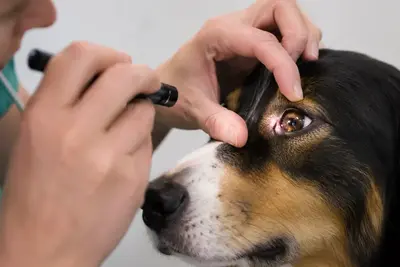
This guide is for general education and does not replace professional behavior or veterinary advice. Sudden behavior changes can signal pain or illness, so a vet visit is a smart first step.
Why Dogs Develop Behavior Problems
Behavior problems rarely appear out of nowhere. They usually trace back to unmet needs, fear, inconsistent training, or an underlying medical issue.
Dogs are driven by instinct, routine, and consequences. When a behavior gets rewarded, even accidentally, it sticks, and when a need like exercise or stimulation goes unmet, the dog finds its own outlet.
That is why the fix is rarely about discipline. It is about spotting the cause and changing the conditions that feed the behavior.
Anxiety and Fear
A large share of problem behaviors are rooted in anxiety or fear. A frightened dog may bark, pace, destroy things, hide, or even snap, so the behavior is a symptom rather than the real issue.
Common triggers include being left alone, loud noises, unfamiliar people, and changes to routine. The dog is not misbehaving so much as trying to cope.
Because anxiety underlies so many other problems, it is worth understanding on its own. Our guide to dog anxiety covers the signs, the causes, and how to calm an anxious dog.
Excessive Barking
Barking is normal communication, but excessive barking is one of the most common complaints owners have. The key is that dogs bark for specific reasons, including alarm, boredom, attention, and anxiety.
Quieting the barking depends entirely on the cause behind it. Punishing the noise without addressing why it is happening rarely works for long.
Because the approach varies so much by trigger, barking gets its own playbook. Our guide on why dogs bark covers the reasons and how to curb the excess.
Destructive Chewing
Chewing is natural and necessary for dogs, but destructive chewing of furniture, shoes, or walls signals a problem. It is often boredom, excess energy, teething in puppies, or anxiety.
The solution is usually redirection rather than punishment. Provide appropriate chew toys, increase exercise and stimulation, and manage the environment so tempting targets are out of reach.
When chewing spikes suddenly in an adult dog, it can point to stress or separation anxiety. In that case the chewing is a clue to a deeper issue.
Aggression
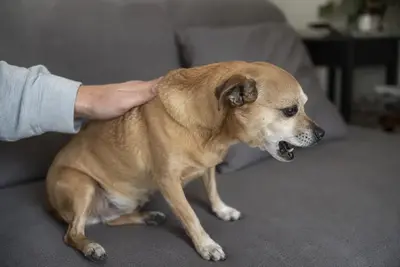
Aggression is the most serious behavior problem and the one to take most seriously. It can stem from fear, resource guarding, pain, territorial instinct, or poor socialization.
Growling, snapping, and biting are communication, usually a dog saying it feels threatened. Punishing the warning signs can backfire by teaching the dog to skip the warning.
Aggression is not a do-it-yourself project. It warrants professional help from a vet and a qualified behaviorist, both to rule out pain and to build a safe plan.
House Soiling and Accidents
Indoor accidents in a previously house-trained dog are a common and frustrating problem. The causes range from incomplete training to anxiety, marking, or a medical issue like a urinary infection.
The first step is always to rule out a health cause with your vet. A dog that suddenly soils the house may be sick rather than disobedient.
Once health is ruled out, the fix is a return to consistent house-training basics. Reward outdoor success, supervise closely, and clean accidents thoroughly to remove the scent.
What’s Really Behind Most Problems
Look closely and most behavior problems share a few roots. Too little exercise, too little mental stimulation, an unpredictable routine, and inconsistent rules account for a striking share of them.
Meeting those needs prevents far more problems than any correction fixes. A tired, stimulated dog on a predictable schedule simply has less reason to act out, which is why play and enrichment matter so much.
Consistency ties it together. Predictable meals on a set feeding routine, regular walks, and rules everyone in the home enforces give a dog the structure that heads off problems.
When to Get Professional Help
Many behavior problems improve with consistency, exercise, and training at home. But some need a professional, and recognizing which is which protects both you and your dog.
See your vet first for any sudden change, since pain and illness often hide behind new behavior. For aggression, severe anxiety, or anything that is not improving, a qualified trainer or veterinary behaviorist is the right call.
Asking for help is not a failure. It is often the fastest, safest path to a calmer dog and a better relationship.
Sources and Further Reading
These resources go deeper on canine behavior and training.
- Common Dog Behavior Issues, ASPCA
- Training, American Kennel Club (AKC)
- Pet Owner Resources, American Veterinary Medical Association (AVMA)
Frequently Asked Questions
The most common include excessive barking, destructive chewing, anxiety (especially separation anxiety), aggression, house soiling, jumping up, and pulling on the leash. Most of these trace back to a few shared root causes like too little exercise, too little mental stimulation, fear, or inconsistent rules. Addressing the cause works far better than fighting the symptom.
A sudden behavior change often has a specific trigger, such as a change in routine, a new fear, or a household change. Just as often it signals a medical issue, since pain and illness frequently show up as behavior first. For any sudden change, a vet visit to rule out a health cause is the smart first step.
Most can, often dramatically. With consistency, enough exercise and stimulation, and training that targets the root cause, the majority of behavior problems improve a great deal. Severe cases, especially aggression or intense anxiety, need a professional, but they are still very much workable with the right plan.
They can appear at any age. Many start during puppyhood and adolescence as a dog tests boundaries and burns energy, while others, like cognitive decline and its related anxiety, show up in senior dogs. A sudden problem at any age is worth a vet check to rule out a medical cause.
See your vet first for any sudden change, since pain and illness often hide behind new behavior. Bring in a qualified trainer or veterinary behaviorist for aggression, severe anxiety, or anything that is not improving with consistent effort at home. Asking for help early is often the fastest, safest path to a calmer dog.