Ask five dog owners how often a dog needs a bath and you’ll get five confident, different answers. Somebody washes weekly, somebody hasn’t run the tub since spring, and everyone thinks the others are doing it wrong.
The truth is that there’s a real answer, it just isn’t one number. It’s a short list of factors you can read off your own dog.
This guide gives you the honest baseline first. Then it shows you how coat, skin, age, and lifestyle move it.
The Short Answer: About Once a Month
For a healthy dog with a normal coat and an average indoor life, every four to six weeks is a solid default. That’s frequent enough to keep skin and coat clean without stripping them.
The full healthy range is wider than most people expect. Some dogs genuinely need weekly washing, and others stay clean and comfortable on a few baths a year.
One rule holds at both ends: bathe a dog when he’s dirty or smelly, not on the calendar alone. Dogs don’t sweat through their skin the way we do, so they don’t need human-style washing frequency.
Coat Type Sets the Baseline
Short, smooth coats are the low-maintenance end. Dirt has nowhere to hide, natural oils spread easily, and a monthly-or-less schedule keeps these dogs perfectly presentable.
Double coats play by different rules. Huskies, shepherds, and other double-coated breeds rely on their undercoat’s natural oils for insulation, so they do best with fewer baths and far more brushing.
Long, silky coats collect everything they touch. These coats tangle and trap dirt, which usually means baths every two to four weeks alongside near-daily brushing.
Curly and wavy coats, the poodle family especially, mat instead of shedding cleanly. They typically run on a three-to-four-week wash-and-groom cycle to stay ahead of the mats.
Then there are the outliers. Oily breeds like basset hounds can need washing every week or two, while hairless breeds need regular baths to manage skin oil despite having no coat at all.
A Breed-by-Breed Starting Point
Labs, beagles, boxers, and most short-coated family dogs: every one to three months is plenty. Let smell and visible dirt make the call inside that window.
Golden retrievers, collies, and other feathered coats: every four to six weeks keeps the feathering manageable. Brushing matters as much as the bath for these.
Shih tzus, Yorkies, and Maltese: every two to three weeks in a short pet clip, weekly to biweekly in a long coat. Their hair behaves more like ours than like fur.
Huskies, malamutes, and German shepherds: a few times a year outside shedding season is genuinely enough. Over-washing a double coat costs insulation and invites dryness.
Poodles, doodles, and bichons: every three to four weeks, usually timed to the grooming appointment. Mats start where baths and brushing stop.
Treat all of these as starting points, not laws. Your individual dog’s skin, smell, and lifestyle outrank the breed chart every time.
Skin Conditions Rewrite the Rules
For itchy, allergic, or infection-prone dogs, bathing stops being cosmetic and becomes treatment. Medicated baths are one of the most useful tools in canine skin care.
A dog on a vet-prescribed medicated shampoo might bathe once or twice a week during a flare. The shampoo also needs contact time, usually five to ten minutes before rinsing, to do its job.
Allergic dogs often benefit from frequent rinsing even between flares. A bath physically washes pollen and dust off the coat before the skin can react to it.
Frequent bathing also cuts the dander your dog sheds into the house. If someone in the family sneezes around dogs, the bath schedule is part of the fix, alongside breed choice.
Dry, flaky skin asks for the opposite: fewer baths and a gentler product. A moisturizing shampoo made for dry skin plus longer gaps usually beats scrubbing the flakes away.
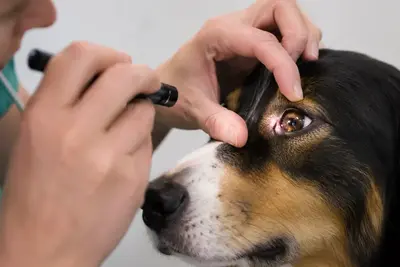
If the skin looks red, smells yeasty, or sports scabs and bald patches, stop adjusting the bath schedule and call the vet. Washing can’t fix an infection that needs medication.
Lifestyle and the Smell Test
A couch-loving apartment dog and a farm dog aren’t on the same schedule, even if they share a breed. Lifestyle can move bath frequency by months.
Swimmers, hikers, and dog-park regulars collect dirt, pond water, and mystery smells that need washing out. Roll-in-anything dogs set their own emergency schedule, as their owners know too well.
Indoor dogs mostly need baths for oil buildup and dander rather than dirt. They can usually ride the long end of their coat’s range.
When in doubt, use the test every groomer trusts: bury your nose in the coat. A dog that smells like a dog needs nothing, and a dog that smells like a problem needs a bath.
Can You Bathe a Dog Too Often?
Yes, and it’s the most common bathing mistake. Dog skin is protected by a layer of natural oils, and every bath removes some of it.
Wash too often and the skin can’t rebuild that layer between baths. The result is dryness, flaking, itching, and a dull coat, the exact problems the extra baths were meant to prevent.
Daily washing is almost never appropriate, and even weekly is too much for many coats unless a vet prescribed it. Double-coated breeds feel the damage first.
Shampoo choice decides a lot here. Human products, even gentle ones like baby shampoo, sit at the wrong pH for canine skin and speed up the stripping.
The same goes for borrowing your own dandruff shampoo for a flaky dog. What balances a human scalp can irritate a dog’s skin, especially with repeat use.
Signs It’s Bath Time
Smell is the obvious one. When petting your dog leaves an odor on your hand, the coat is overdue.
Visible dirt, dust, or a greasy, separated look in the fur all count. So does a sticky or oily feel when you run your fingers against the coat’s grain.
Dandruff flakes, scratching without a medical cause, and pollen rides during allergy season also justify a wash. Anything your dog rolled in speaks for itself.
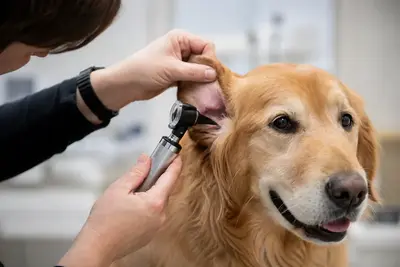
If the ears smell but the coat doesn’t, that’s a different problem. Skip the bath and investigate the ears instead.
Puppies and Older Dogs
Puppies can start proper baths around eight weeks old. Before that, a warm damp washcloth handles the mess without the chill risk.
Keep puppy baths short, lukewarm, and heavy on praise, because you’re training a lifetime of bath tolerance. A slip-proof mat and a calm pace do more than any product.
Seniors usually need fewer baths but more support. Arthritic dogs appreciate warm water, traction under their feet, and a handheld sprayer that spares them from standing too long.
Watch older skin closely too. It runs thinner and drier with age, so gentle shampoo and longer intervals serve most seniors best.
Getting the Bath Right
Technique matters more than frequency when it comes to skin trouble. A badly done monthly bath causes more problems than a well-done weekly one.
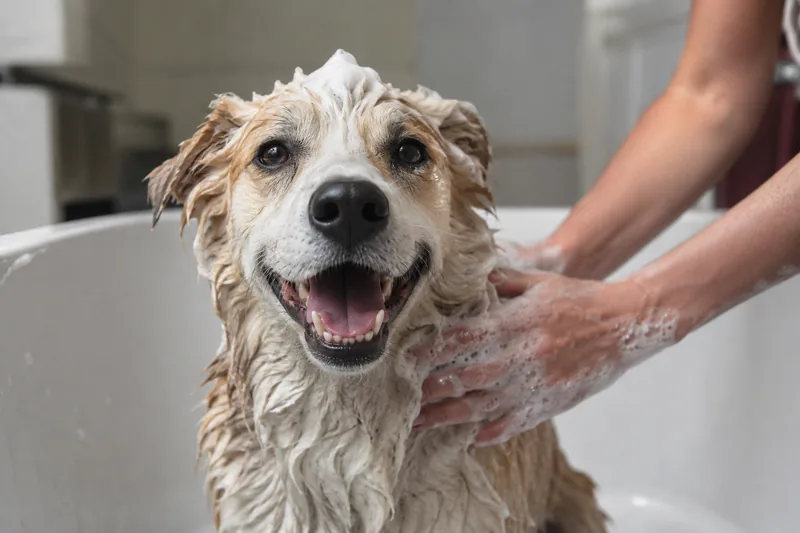
Use lukewarm water, never hot. Wet the coat to the skin, lather a dog-specific shampoo, and keep suds out of the eyes and ear canals.
The most skipped step is rinsing. Leftover shampoo dries into residue that itches, so rinse until the water runs completely clear, then give it one more minute.
Stick to products made for dogs, and made for the right job. That’s why cat flea shampoo and human lice shampoo both belong nowhere near your dog’s bath.
Dry thoroughly when the bath ends, especially the ears and the dense fur behind them. Dampness trapped against skin is how hot spots and ear trouble start.
Brushing Buys You Time
If you want fewer baths, brush more. It’s the closest thing dog grooming has to a cheat code.
Brushing pulls out dirt, dander, and loose hair before they build into smell. It also spreads natural oils down the hair shaft, which keeps the coat shiny between washes.
For double-coated and long-haired dogs, brushing isn’t optional anyway. Mats and packed undercoat hold moisture and dirt against the skin, and no bath fixes a matted coat.
A few minutes several times a week covers most coats. Heavy shedders do best with a quick daily pass during coat-blow season.
When a Groomer Makes Sense
Some coats outgrow the home tub. Poodles, doodles, and show-style coats need cutting as well as washing, which puts them on a professional schedule every four to eight weeks.
Groomers also earn their fee on logistics. Big dogs, water-hating dogs, and thick double coats that take hours to dry are all easier in a shop with a forced-air dryer.
A good middle path is alternating. The groomer handles the full service every couple of months, and you handle quick rinse-and-brush maintenance in between.
Final Thoughts
“How often should I bathe my dog” has a real answer, it’s just custom-fit. Start at every four to six weeks, then let coat type, skin, and lifestyle adjust the dial.
Trust your nose and your hands over the calendar. A clean-smelling dog with healthy skin isn’t overdue, no matter what the schedule says.
And remember the bath itself is only half the job. The right shampoo, a full rinse, a real dry, and regular brushing decide whether bath day helps your dog’s skin or works against it.
Frequently Asked Questions
For most dogs it's more than they need, but it's safe when there's a reason, like allergies, a medicated shampoo plan, or a dog who finds something to roll in weekly. Use a gentle dog-specific shampoo and watch for dryness or itching. If the skin protests, stretch the interval.
Daily bathing strips natural oils faster than the skin can replace them. Within weeks you typically see flaking, itching, a dull coat, and sometimes enough irritation to invite infection. Outside of a specific vet instruction, daily washing does damage, not extra cleanliness.
Every one to three months suits most short, smooth coats, with the smell test deciding inside that range. Their coats shed dirt well and distribute oil easily, so they stay cleaner than they look. Many short-haired dogs genuinely need only a handful of baths a year.
Often more than a healthy dog, sometimes weekly or twice weekly during flares, because baths rinse allergens off before the skin reacts and medicated shampoos treat while they clean. The exact rhythm should come from your vet. Lukewarm water and proper contact time matter as much as frequency.
Yes, just fewer of them. Indoor dogs still build up skin oil, dander, and household smells even without mud. A bath every one to three months keeps the coat and your couch fresh, with brushing carrying the load in between.