Few dog problems announce themselves as clearly as an ear yeast infection. There’s the smell, somewhere between corn chips and old bread, the brown gunk, and a dog who can’t leave his own head alone.
It’s also one of the most common reasons dogs see a vet at all. Ear infections sit near the top of the claims list every single year, and yeast drives a huge share of them.
This guide covers the whole arc: what the yeast is, how to recognize it, why it picked your dog, what real treatment looks like, and how to stop the rematch.
What an Ear Yeast Infection Actually Is
The culprit has a name: Malassezia. It’s a yeast that lives on virtually every dog’s skin and in every ear, normally in tiny numbers that cause no trouble at all.
A yeast infection isn’t an invasion from outside. It’s a population explosion of a resident that was always there, triggered when conditions inside the ear shift in its favor.
Those conditions are warmth, moisture, and inflammation. A dog’s ear canal runs in an L shape, down and then inward, which traps heat and humidity beautifully even on a good day.
Add a little extra moisture or allergic inflammation, and the canal becomes a greenhouse. The yeast population doubles and redoubles, the byproducts irritate the skin, the skin produces more oil and debris, and the cycle feeds itself.
That self-feeding loop is why ear yeast rarely clears on its own. Something has to interrupt the cycle, and that something is treatment.
The Telltale Signs
Smell usually arrives first. A yeasty ear gives off a musty, sweetish odor that most owners compare to corn chips, popcorn, or rising bread.
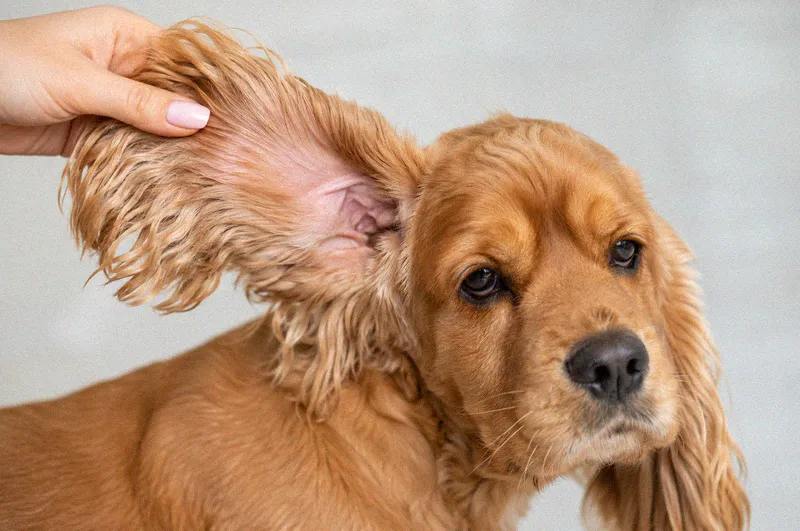
Then comes the discharge. Yeast produces brown, waxy debris, anywhere from coffee-colored smears on the ear’s inner surface to thick dark buildup deep in the canal.
The ear itself looks unhappy. Expect redness along the canal opening, skin that looks greasy or thickened, and sometimes crusting around the entrance.
Your dog reports the rest. Head shaking is the loudest symptom, covered in detail in our guide to why dogs keep shaking their heads, along with ear scratching, rubbing the head on furniture, and tilting toward the itchy side.
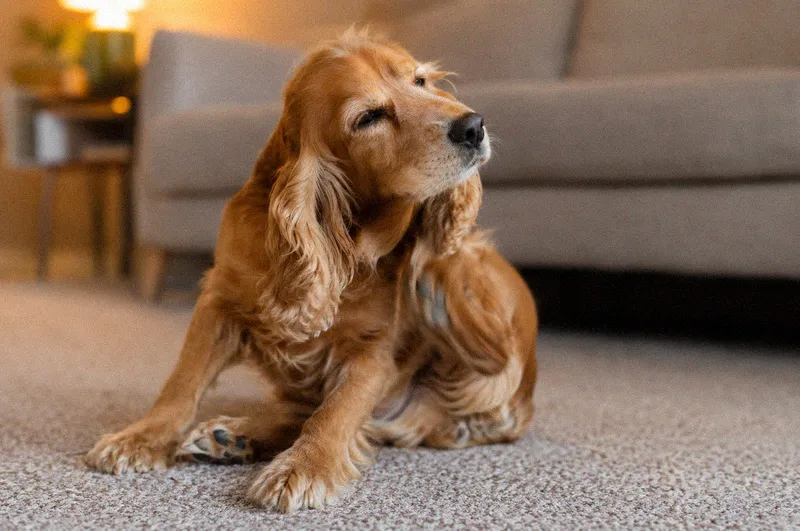
Pain shows up as the infection matures. A dog who used to love ear rubs and now ducks away from them is telling you the canal has gone from itchy to sore.
Early-stage infections look milder than the pictures online. Expect light pink skin, a faint sweet smell, a little extra wax, and a dog who scratches that ear a bit more than usual, which is exactly the stage where treatment is fastest.
One ear or both is a useful detail. Allergic dogs often brew yeast in both ears at once, while a single angry ear hints at trapped water or something mechanical in that ear.
Severity climbs in recognizable steps from there. Mild cases stay at wax-and-itch, moderate ones add real redness and visible debris, and advanced infections bring swelling, raw skin, and a dog in obvious pain.
Yeast or Bacteria? How to Tell the Difference
Yeast isn’t the only thing that infects ears, and the treatments differ. Bacteria cause their own version, and plenty of miserable ears host both at once.
The nose offers the first clue. Yeast smells musty and bready, while bacterial infections tend toward genuinely foul, and the worst offenders smell rotten.
The discharge offers the second. Yeast debris runs brown and waxy, while bacterial infections more often produce yellow or green pus and sometimes a wet, weepy canal.
Neither clue is reliable enough to bet a treatment on. That’s why vets pull a swab and look under the microscope, where yeast cells and bacteria are unmistakable and countable.
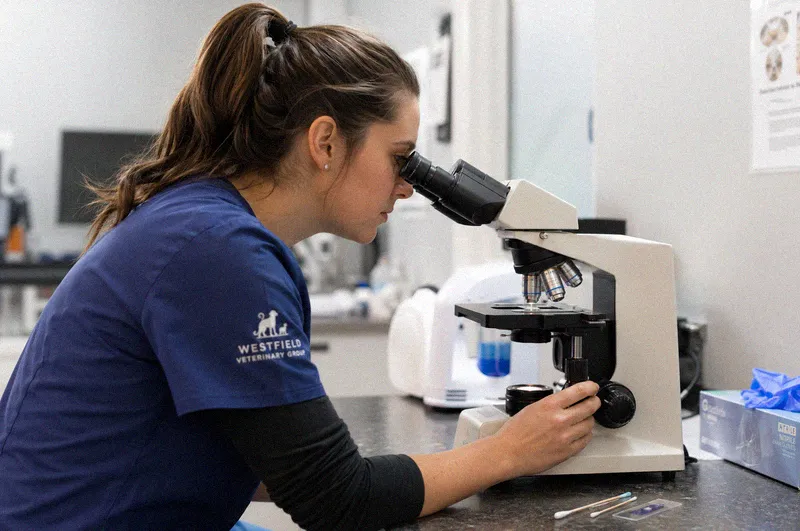
That two-minute test is the difference between targeted treatment and guessing. Antifungals don’t touch bacteria, antibiotics don’t touch yeast, and mixed infections need both at once.
Allergies: The Number One Cause
Ask why the yeast bloomed in the first place, and allergies top the list by a wide margin. Allergic inflammation changes the ear’s skin chemistry, and changed skin is exactly what Malassezia has been waiting for.
Environmental allergies lead the category. Pollen, mold, and dust mites inflame allergic dogs from the inside, and the ears flare right alongside the paws and belly as part of the broader pattern of skin problems.
Food allergies run the same play. For some dogs, the protein in the bowl drives the inflammation, and recurring ear infections are one of the most consistent symptoms in our guide to dog food allergies.
Here’s the pattern that gives allergies away: repetition. One yeast infection is bad luck, but the third one this year is an allergy with a yeast problem on top.
That reframe matters because it changes the goal. Treating each infection puts out fires, while treating the allergy fireproofs the ear.
Moisture and the Ear Canal Greenhouse
Water is the second great enabler. A wet ear canal is everything yeast wants: warm, dark, and humid with nowhere for the moisture to go.
Swimmers pay the highest tax. Lake and pool water funnels straight into the canal, and the L-shaped bend holds it there for hours.
Baths contribute their share. A single splash past the ear’s entrance during shampoo season can seed a week of trouble.
Humidity does the quiet version of the same work. Dogs in muggy climates and muggy summer months simply carry damper ears, which is why ear infections spike in warm weather.
Grooming day deserves the same attention as swim day. Ask the groomer to keep water out of the canals during the wash, and do a quick towel-dry of each ear before heading home.
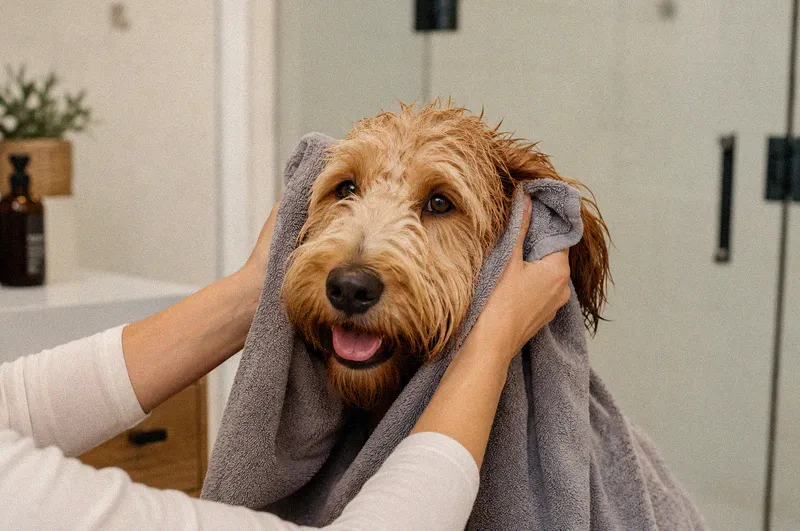
The counter is simple and genuinely effective. Dry the outer ear after every water exposure, and ask your vet about a drying rinse for dogs who swim on a schedule.
Breeds Built for Ear Trouble
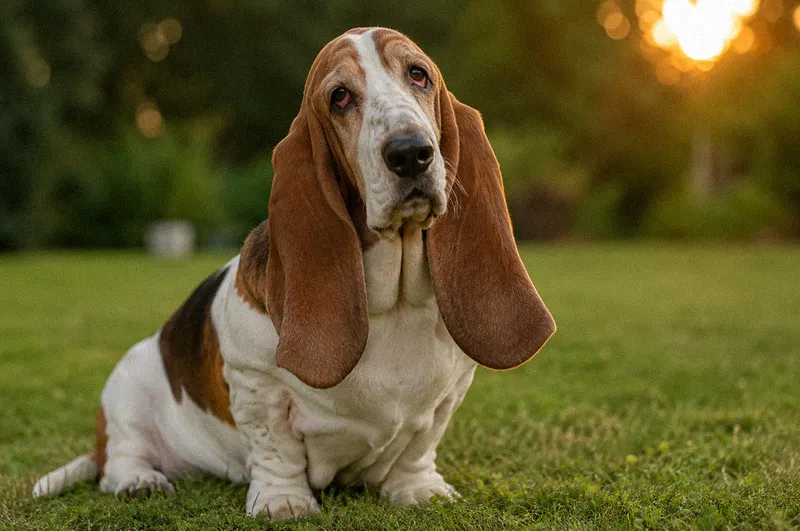
Some ears are architectural gifts to yeast. Floppy ear flaps seal the canal under a warm lid, cutting off the airflow that would otherwise dry things out.
That puts the classic drop-eared breeds at the front of the line. Cocker Spaniels, Basset Hounds, Labradors, Golden Retrievers, and most doodles see far more than their share of yeasty ears.
Hairy canals add a second problem. Breeds like Poodles and Shih Tzus grow fur inside the canal that traps wax and debris, building little compost piles the yeast loves.
Skin-fold and allergy-prone breeds round out the list. Bulldogs, Westies, and other allergy magnets bring the inflammation side of the equation wherever their ears lead.
None of this makes infections inevitable. It just means owners of these breeds run the prevention playbook more seriously, because their margin for error is thinner.
Other Triggers Worth Knowing
Ear mites deserve a mention, especially in puppies. The mites themselves cause one kind of misery, and the inflamed, debris-filled canal they leave behind frequently grows a yeast infection as a sequel.
A weakened immune system opens the door too. Dogs on long-term steroids and dogs with hormonal conditions like hypothyroidism grow yeast more easily, which is why a vet may run bloodwork on a dog with relentless ear trouble.
Over-cleaning is the trigger nobody expects. Scrubbing healthy ears daily with harsh products strips their defenses and irritates the skin, creating the inflammation the cleaning was meant to prevent.
Foreign material plays a role in sudden single-ear cases. A grass seed or a plug of debris blocks airflow, traps moisture behind it, and gives yeast a sealed room to work in.
How Vets Diagnose and Treat It
The workup is quick and worth every minute. The vet examines the canal with an otoscope, checks the eardrum, and swabs the debris for the microscope.
That swab, called cytology, names the enemy precisely. Yeast, bacteria, or both, and in what numbers, which dictates exactly which medication goes in the ear.
Treatment starts with a thorough cleaning. Medication can’t reach skin that’s buried under a season of waxy debris, so the vet clears the canal first, sometimes with sedation if the ear is painful.
Then come the antifungals. Most yeast infections clear with one to two weeks of prescription drops or ointment, and some clinics use a single long-acting treatment applied in the office.
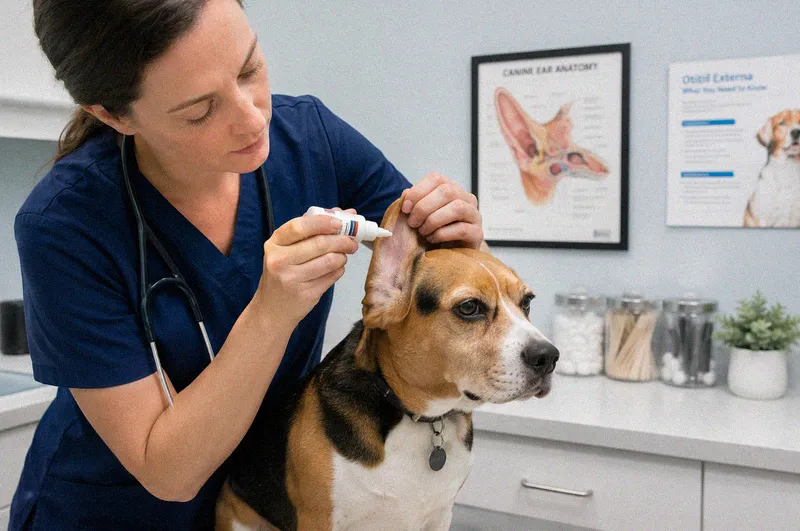
Severe or chronic cases escalate sensibly. Oral antifungal medication reaches what drops can’t, and anti-inflammatories calm canals too swollen to treat.
Expect the full arc to run two to three weeks including the recheck. Most dogs feel dramatically better within the first few days, which is precisely when owners are tempted to quit early.
The recheck matters more than owners expect. Ears that look better at day five are often still infected at the microscopic level, and stopping early is how this month’s infection becomes next month’s too.
Chronic cases get a deeper investigation rather than a stronger bottle. Repeat offenders earn allergy workups, sometimes imaging of the canal, and a maintenance plan designed around whatever keeps reopening the door.
Why Home Remedies Disappoint
The internet offers a full pharmacy for yeasty ears: vinegar flushes, coconut oil, yogurt, essential oils. The results don’t match the enthusiasm.
Vinegar’s acidity does discourage yeast in theory. Poured into an inflamed canal, it stings raw skin, never reaches the deep half of the L-shaped canal in any controlled way, and can do real harm if the eardrum is damaged.
Coconut oil mostly feeds the problem. Malassezia thrives on skin oils, and adding more lipid to a yeasty canal is closer to catering than treatment.
Essential oils are an outright hazard. Tea tree oil in particular is toxic to dogs at the concentrations sold for people, and an ear canal is an absorption-friendly place to apply a poison.
The honest split is this: natural approaches shine at prevention, and medication wins at treatment. Drying, cleaning, and allergy management are natural strategies that genuinely work, once there’s no established infection to clear.
Does Diet Cause Ear Yeast?
The internet’s favorite theory says sugar and carbs in dog food feed ear yeast, so a low-carb diet starves it. The biology doesn’t cooperate.
Malassezia eats skin oils, not dietary sugar. No feeding trial has shown kibble carbohydrates driving ear yeast, and switching foods to starve the yeast misunderstands what it’s eating.
But diet isn’t off the hook, because food allergies absolutely drive yeasty ears. The mechanism is inflammation rather than feeding, and the distinction matters because the fix is different.
A dog with a beef or chicken allergy doesn’t need a low-sugar food. He needs an elimination trial to find the trigger protein, run properly with a vet over eight to twelve weeks.
So if the bowl is your suspect, pursue it the evidence-based way. The right diet change ends allergic ear infections, while the trendy one just changes what the unchanged inflammation costs you per bag.
Cleaning Ears the Right Way
Done correctly, ear cleaning is the single best home skill for yeast-prone dogs. Done wrong, it’s a weekly irritation ritual, so technique matters.
Use a proper veterinary ear cleaner, ideally one with a drying agent for moisture-prone ears. Fill the canal until you see liquid pool, then massage the base of the ear until you hear a satisfying squish.
Let your dog shake. The shake does the deep work, flinging softened debris up from the canal where you can reach it.
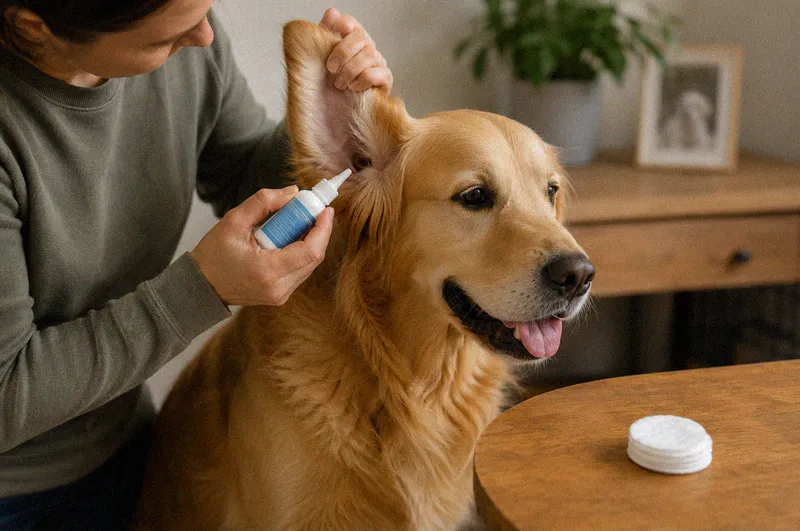
Wipe the parts you can see with a cotton pad or gauze wrapped around a finger. Nothing goes into the canal itself, ever, including cotton swabs, which pack debris deeper and risk the eardrum.
Frequency depends on the ear. Yeast-prone dogs do well with weekly to twice-monthly cleanings plus after-swim sessions, while dogs with healthy, quiet ears barely need any schedule at all.
And know when cleaning is the wrong move. An ear that’s painful, smelly, or discharging needs a vet before a bottle, because flushing a possibly ruptured eardrum causes damage no cleaning prevents.
What Happens if It Goes Untreated
Untreated yeast doesn’t plateau, it remodels the ear. Weeks of inflammation thicken the canal’s skin, and thickened skin narrows the canal.
A narrower canal traps more debris and humidity, which feeds more yeast. Every cycle scars the ear a little further toward closed.
The dog pays along the way. Chronic pain, dulled hearing behind the swollen canal, and the constant head shaking that ruptures ear flap vessels into the hematomas covered in our guide to swollen ear flaps.
End-stage ears leave only surgical options. Procedures that open or remove the diseased canal fix the pain but cost the hearing on that side, and they exist almost entirely because infections were left to compound.
That trajectory is the strongest argument for treating early. A one-week course of drops now versus an irreversible surgery later isn’t a close call.
Prevention That Actually Works
Prevention is mostly the boring stuff, done consistently. Dry the ears after every swim and bath, and lift floppy ears for some airflow time on humid days.
Run a sensible cleaning schedule matched to your dog’s risk. Yeast-prone ears get regular maintenance, healthy ears get occasional checks, and every dog gets a weekly sniff test from you.
Treat the allergy if your dog has one, because that’s the root system. Managed allergies, whether through seasonal allergy care, medication, or an elimination diet, prevent more ear infections than any cleaner ever will.
Keep parasite prevention current, ask the groomer to tidy hairy ear canals, and take recurring infections to the vet as a pattern, not as isolated bad luck. Three infections a year is a diagnosis waiting to be made.
Skin support from the inside helps at the margins. Omega-3 fatty acids strengthen the skin barrier over months, which makes the ear a slightly harder target for everything on this page.
None of it is glamorous. All of it beats another course of drops.
Final Thoughts
An ear yeast infection is a resident organism that got handed perfect growing conditions: warmth, moisture, and inflamed skin. The smell, the brown debris, and the head shaking are just the visible parts of that bloom.
Treatment is genuinely effective when it’s professional and complete. A cleaning, the right antifungal, and a recheck clear the infection, while the shortcut versions mostly produce repeat customers.
The lasting win comes from the unglamorous layer underneath. Dry ears, sane cleaning habits, and a managed allergy turn the every-few-months infection into a story you used to tell about your dog.
Frequently Asked Questions
With a vet-prescribed plan: a proper ear cleaning to clear the debris, then antifungal drops or ointment for one to two weeks, and oral medication for severe cases. Just as important is treating whatever caused it, usually allergies or trapped moisture, or the infection circles back within weeks.
Look for a veterinary ear cleaner with a drying agent and antifungal support, often with ingredients like ketoconazole or acetic acid on the label. Your vet can match the cleaner to your dog's ear. Skip homemade vinegar mixes and alcohol, which sting inflamed skin and don't clear established infections.
Honestly, nothing reliable once an infection is established. Drying the ears after water, regular cleaning, and managing allergies all prevent yeast naturally, which is where natural approaches genuinely work. Established infections need antifungal medication, and home remedies mostly delay the visit while the ear gets worse.
The canal skin thickens and scars with every week of inflammation, narrowing the ear until medication can't reach the problem. Chronic pain, hearing loss, hematomas from the constant head shaking, and eventually surgery for end-stage ears are all on that road. Early treatment is dramatically cheaper and kinder.
Yeast typically smells musty like corn chips or bread and produces brown, waxy debris. Bacterial infections smell fouler and often look like yellow or green pus. Plenty of ears host both at once, which is why vets swab and check under the microscope before picking the medication.