Joint pain is one of the most common problems dogs face, and one of the easiest to miss. Dogs are built to hide discomfort, so the early signs are quiet and easy to write off as just getting older.
Catching it early matters, because joint pain responds far better to treatment before the damage piles up. The good news is that with the right plan, most dogs stay comfortable and active for years.
This guide covers why dogs get joint pain, the subtle signs to watch for, the common causes, and how vets and owners manage it together.
This guide is for general education and does not replace veterinary care. Never give your dog human pain medication, since common ones are toxic to dogs.
Why Dogs Get Joint Pain
A joint is where two bones meet, cushioned by cartilage and lubricated to move smoothly. Joint pain sets in when that cushioning wears down or the joint is injured or inflamed.
Age is the biggest factor, since cartilage naturally thins over the years. But it is not only an old-dog problem, as injuries, genetics, and excess weight can bring it on much earlier.
Size and breed matter too. Large and giant breeds carry more load on their joints and are prone to the dysplasia that leads to early arthritis.
The Subtle Signs
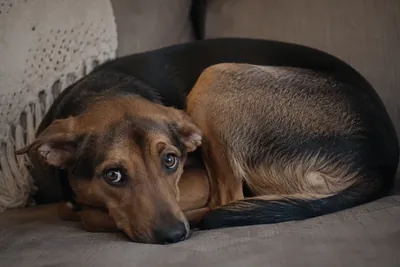
The hardest part of joint pain is spotting it, because dogs rarely cry out. The first clues are changes in what your dog is willing to do.
Watch for stiffness after rest, a slower pace on walks, and hesitation before stairs, jumps, or the car. A dog that used to bound onto the couch and now thinks twice is telling you something.
Other signs are even quieter. Reluctance to play, irritability when touched in one spot, licking at a joint, and a stiff or altered gait all point toward joint discomfort.
Limping and Stiffness
The most visible sign of joint trouble is a limp, though it often shows up only after the pain has built for a while. A limp can be constant or come and go, and it frequently looks worse after rest or heavy activity.
Stiffness is the limp’s quieter companion. Many dogs are noticeably creaky first thing in the morning or after a long nap, then loosen up as they move.
Because a limp has many possible sources, it deserves a proper look. Our guide to why a dog is limping walks through the causes, from a minor paw issue to a serious joint or ligament problem.
Arthritis, the Most Common Cause
By far the most common cause of chronic joint pain is osteoarthritis, the gradual wear-and-tear breakdown of cartilage. It affects a large share of dogs as they age, especially larger breeds.
Arthritis builds slowly, which is why the signs creep in rather than appear overnight. Once cartilage is lost it does not grow back, so the goal is to slow the progress and manage the pain.
It is a manageable condition, not a dead end. Our full guide to arthritis in dogs covers the stages, the treatments, and how to keep an arthritic dog comfortable and moving.
Other Causes of Joint Pain
Arthritis gets the spotlight, but several other problems cause joint pain. Injuries top the list, from a sprain or strain to a torn cruciate ligament in the knee, a very common orthopedic injury.
Developmental conditions matter in younger dogs. Hip dysplasia and elbow dysplasia are inherited malformations that stress the joint and often lead to early arthritis.
Less commonly, infections and immune-mediated disease can inflame the joints. Because the causes differ so much, a vet diagnosis is what points to the right treatment.
Joint Pain and Paw Licking
One sign owners often misread is persistent licking of a leg or paw. A dog will lick over a sore joint the way we might rub an aching shoulder, and the spot is often near the wrist or ankle.
This kind of licking gets mistaken for allergies or a skin problem. When it focuses on one leg, especially in an older or larger dog, joint pain belongs on the suspect list.
Our guide to paw licking in dogs covers how to tell pain-driven licking from the allergy and behavior causes. The location and the pattern are the biggest clues.
How Vets Diagnose It
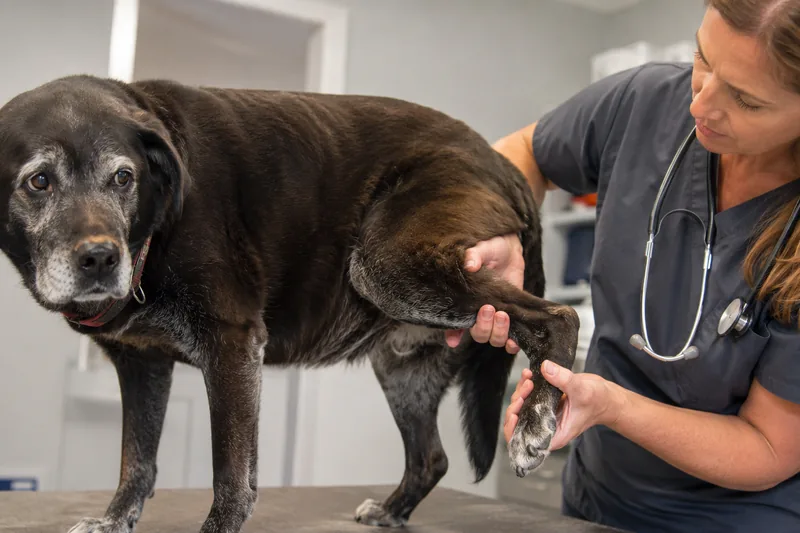
Diagnosis starts with a hands-on exam. The vet watches your dog move, then flexes and feels each joint for pain, swelling, grinding, or a reduced range of motion.
Imaging confirms the picture. X-rays reveal arthritis, dysplasia, and bone changes, while more advanced cases may need a CT scan or joint fluid analysis.
Sharing what you have noticed helps a lot. When the stiffness happens, which leg, and what makes it worse all guide the vet toward the cause.
Managing and Treating Joint Pain
Treatment is almost always a combination rather than a single fix. Weight control comes first, because every extra pound adds direct stress to aching joints.
Medication and supplements do the heavy lifting on comfort. Vet-prescribed anti-inflammatories ease flare-ups, while glucosamine, chondroitin, and omega-3 fatty acids support the joints over the long term.
The home setup matters just as much. Orthopedic bedding, ramps instead of stairs, good traction on slick floors, and gentle, regular low-impact exercise like leashed walks or swimming all keep a sore dog moving comfortably.
When to See the Vet
Any persistent limp, stiffness, or drop in activity is worth a vet visit, since early treatment works best. Book a visit when the changes last more than a few days or keep returning.
Move faster for a sudden, severe limp, a leg your dog will not bear weight on, or obvious swelling and pain. Those can mean a fracture, a torn ligament, or an infected joint that needs prompt care.
When you are unsure, an exam settles it. Joint problems only get harder to manage the longer they go unaddressed.
Sources and Further Reading
These veterinary resources go deeper on canine joint health.
- Arthritis in Dogs, American Kennel Club
- Joint Disorders of Dogs, Merck Veterinary Manual
- Arthritis in Dogs, VCA Animal Hospitals
Frequently Asked Questions
The earliest signs are usually subtle: stiffness when getting up, slowing down on walks, hesitation before stairs or jumping, and a general drop in activity. Some dogs lick at a sore joint or seem grumpy when touched there. Because dogs mask pain, these quiet changes often appear long before an obvious limp.
Always work with your vet, but common tools include prescription anti-inflammatory medication for flare-ups, joint supplements with glucosamine and chondroitin, omega-3 fatty acids, and sometimes newer injectable treatments. Never give human pain relievers like ibuprofen, which are toxic to dogs. Weight control and gentle exercise are just as important as any product.
Not exactly. Arthritis is the most common cause of chronic joint pain, but joint pain can also come from an injury, hip or elbow dysplasia, a torn ligament, or infection. Arthritis is the ongoing wear-and-tear condition, while joint pain is the symptom it produces. A vet identifies which is behind your dog's discomfort.
Keep your dog at a lean weight, since extra pounds stress the joints directly. Provide an orthopedic bed, use ramps instead of stairs, keep nails trimmed, and offer gentle, regular low-impact exercise like leashed walks or swimming. Pair these with whatever supplements or medication your vet recommends for the best result.
It varies by breed and size. Large and giant breeds can show joint issues by middle age or even younger, especially with dysplasia, while many dogs develop arthritis as seniors after age seven. Active, overweight, or previously injured dogs may show signs earlier, so age is a guide rather than a rule.