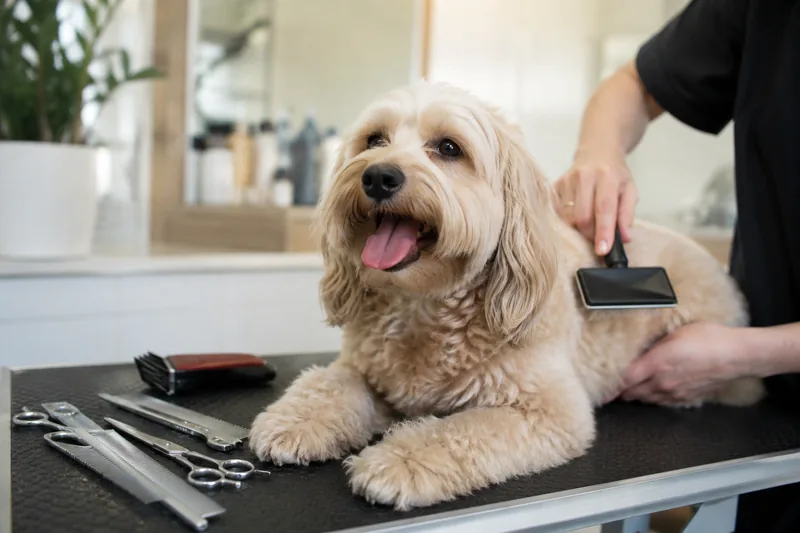
Grooming is easy to think of as vanity, a way to keep a dog looking tidy. In reality it is one of the most practical forms of preventive care you can do at home.
Regular grooming spreads natural oils, controls shedding, and keeps skin healthy. Just as valuable, it puts your hands on your dog often enough to catch lumps, parasites, sore spots, and dental trouble early.
This guide walks through the core grooming tasks, from brushing and bathing to nails and teeth, and how to fold them into a routine your dog actually accepts.
This guide is for general education and does not replace veterinary care. If your dog has a skin condition, painful mouth, or resists handling to the point of stress, check with your vet.
Grooming Is Preventive Care
The biggest shift in mindset is seeing grooming as health maintenance, not appearance. Each task does a job beyond looks.
Brushing removes dead hair and distributes oils, bathing clears irritants from the skin, nail trims protect the joints, and dental care prevents painful disease. Skip them and small problems quietly become big ones.
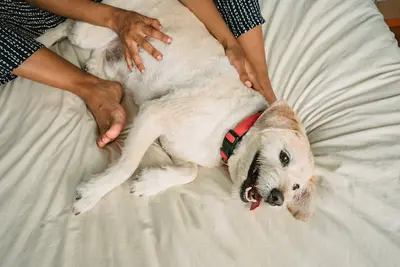
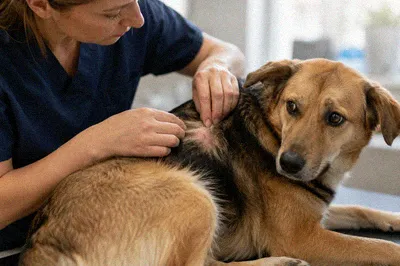
Grooming also doubles as a regular health check. The owner who brushes weekly is the one who finds the new lump, the flea dirt, or the sore ear before it turns into a vet emergency.
The Tools Worth Owning
A small kit covers most home grooming. The essentials are a brush matched to your dog’s coat, dog shampoo, nail clippers or a grinder, and a dog toothbrush with dog-specific toothpaste.
A few extras make the job easier. A slicker brush or undercoat rake for shedding, a microfiber towel for baths, and styptic powder in case a nail is cut too short are all worth keeping on hand.
Quality beats quantity here. One good brush suited to your dog’s coat does more than a drawer full of cheap tools your dog dislikes.
Grooming by Coat Type
Coat type drives almost every grooming decision. Short-coated breeds like Beagles need little more than weekly brushing and the occasional bath.
Double-coated dogs like Huskies and Golden Retrievers need frequent brushing and should never be shaved, since the coat regulates temperature. Long or silky coats mat easily and need brushing every day or two to stay tangle-free.
Curly, low-shedding coats like those on Poodles and Doodles keep growing and need regular trims along with diligent brushing. Knowing your dog’s coat type tells you how often each task really needs doing.
Brushing and Coat Care
Brushing is the foundation, and how often depends on the coat. Short-coated dogs may need it once a week, while double-coated breeds benefit from brushing every couple of days, especially during seasonal shedding.
Match the tool to the coat. Slicker brushes suit medium and long coats, bristle brushes work for short hair, and an undercoat rake helps thick double coats during heavy sheds.
Beyond looks, brushing prevents painful mats that trap moisture against the skin. Regular sessions also cut down on the hair that ends up across your floors and furniture.
Bathing Your Dog
Most dogs need a bath only every four to eight weeks. Over-bathing is a common mistake that strips natural oils and leaves the skin dry and itchy.
Use a dog-specific shampoo, lukewarm water, and a thorough rinse, since leftover soap irritates the skin. Dry the ears well afterward, because trapped moisture invites ear trouble.
The right frequency varies with coat, activity, and any skin conditions. Our guide to how often to bathe a dog breaks down what different dogs actually need and how to avoid over-washing.
Nail Trimming
Nails are the task owners dread most, but overgrown nails are more than cosmetic. Long nails alter a dog’s gait, stress the joints, and can curl painfully into the paw pad.
A good rule is that if you can hear clicking on hard floors, the nails are too long. Most dogs need a trim every two to four weeks.
The key is taking small amounts to avoid the quick, the sensitive blood vessel inside the nail. Our step-by-step guide to trimming a dog’s nails covers the technique, the tools, and how to win over a nervous dog.
Brushing Your Dog’s Teeth
Dental care is the most overlooked grooming task and one of the most important. Most dogs show signs of dental disease by age three.
Brushing removes plaque before it hardens into tartar, which only a professional cleaning can remove. Use a dog toothbrush and dog-specific toothpaste, never human toothpaste, which contains ingredients toxic to dogs.
Daily is ideal, but a few times a week still helps a lot. Our gradual method for brushing a dog’s teeth shows how to win over even a reluctant dog over a week or two.
Bad Breath and Dental Disease
A little doggy breath is normal, but persistent bad breath is not. It is usually the first sign of the bacteria and plaque behind dental disease.
Ignoring it lets the problem advance to painful gums, tooth loss, and infection that can strain the heart, liver, and kidneys. Sudden or foul breath can also point to other health issues worth a vet’s attention.
Because it is such a useful early warning, it is worth understanding. Our guide to dog bad breath covers what the different smells mean and how to fix the problem at its source.
Ear and Paw Care
Ears and paws round out a grooming session and are easy to overlook. Check the ears for odor, redness, or dark discharge, and keep them dry, since the canal traps moisture.
Paws need attention too. Trim the hair between the pads on long-coated dogs, check for cracks or foreign objects, and wipe paws after walks on salt or hot pavement.
These quick checks take seconds and catch problems early. A weekly once-over of ears and paws often spots trouble before your dog shows any sign of discomfort.
Building a Grooming Routine
The secret to grooming is consistency, and the secret to consistency is a routine your dog tolerates. Introduce each task gradually and pair it with treats and praise.
Tie grooming to an existing habit so it sticks, like a quick brush and tooth check during the evening wind-down. Short, calm, frequent sessions beat long, stressful ones your dog learns to dread.
Start handling paws, ears, and the mouth early, before introducing any tool. A dog that is used to being touched everywhere is far easier to groom for life.
When to Call a Professional
Plenty of grooming is doable at home, but professionals earn their keep in certain cases. Complex breed haircuts, heavy matting, and dogs that simply won’t tolerate handling are all good reasons to book a groomer.
A vet is the right call when grooming reveals a problem. Skin lumps, painful ears, broken nails into the quick, or a mouth that clearly hurts all belong in veterinary hands.
There is no shame in mixing both. Many owners handle brushing, bathing, and teeth at home while leaving nails or haircuts to a professional.
Sources and Further Reading
These resources go deeper on at-home dog grooming and dental care.
- Routine Health Care of Dogs, Merck Veterinary Manual
- Dog Grooming Tips, American Kennel Club
- Pet Dental Care, American Veterinary Medical Association (AVMA)
Frequently Asked Questions
Brush most dogs one to three times a week, more for long or double coats. Bathe every four to eight weeks unless your dog gets dirty or has a skin condition, trim nails every two to four weeks, and aim to brush teeth daily or at least a few times a week. The exact schedule depends on breed, coat, and lifestyle.
Most routine grooming, including brushing, bathing, nail trims, and teeth brushing, can be done at home with the right tools and patience. Professional groomers are worth it for complex breed haircuts, dogs that won't tolerate handling, or tasks you're not comfortable with like nails on a wiggly dog. Many owners do a mix of both.
Go slow and break each task into tiny steps over days or weeks, pairing every stage with treats and praise. Start by touching the paws, ears, or mouth before introducing any tool, and stop before your dog gets overwhelmed. Forcing it creates lasting fear, while patience turns grooming into something tolerable or even enjoyable.
Most dogs do well with a bath every four to eight weeks. Over-bathing strips the natural oils from the coat and can cause dry, itchy skin, so more is not better. Dogs with skin conditions may need a different schedule set by a vet, and a quick rinse is fine anytime your dog rolls in something foul.
Most dogs show signs of dental disease by age three, and it causes pain, tooth loss, and bacteria that can affect the heart, liver, and kidneys. Brushing removes plaque before it hardens into tartar that only a vet can remove. Daily brushing with dog-safe toothpaste is the single most effective thing you can do for your dog's mouth.