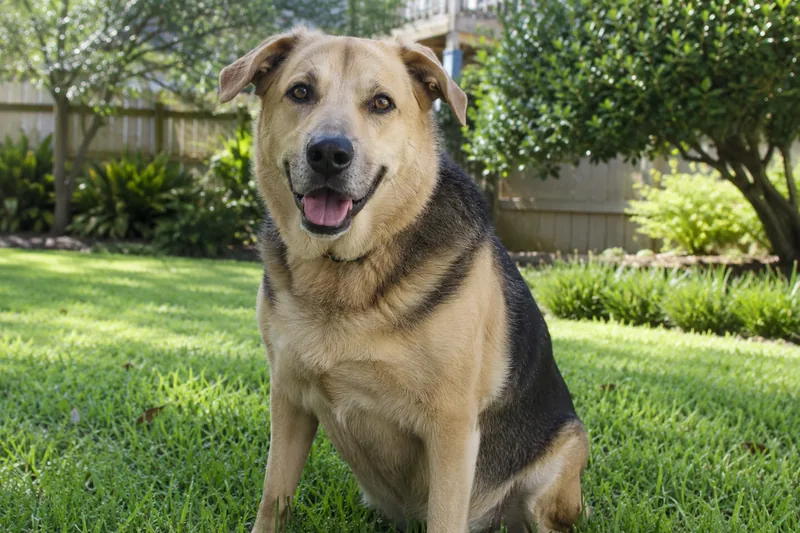
The scoot is unmistakable: your dog plants its rear on the carpet and drags itself forward with a look of grim determination. It’s a little comical, but it’s also a genuine signal.
Dogs scoot to relieve irritation, itch, or pain around the rear end. The behavior itself isn’t the problem, it’s the symptom, and the fix is finding what’s bothering them back there.
This guide covers the usual suspect, anal glands, along with the other causes, what you can do at home, and when scooting means it’s time to see the vet.
What Scooting Is
Scooting is when a dog drags its bottom along the ground, usually on carpet or grass. It’s an attempt to scratch or relieve something irritating around the anus.
An occasional, one-off scoot isn’t unusual and may mean nothing. The concern is frequent, repeated, or persistent scooting, which tells you something is genuinely bothering your dog.
Because the cause sits somewhere most owners would rather not examine closely, scooting often goes unaddressed longer than it should. Treating it as the meaningful signal it is gets your dog relief faster.
Anal Glands: The Top Cause
By a wide margin, the most common reason dogs scoot is anal gland trouble. These are two small scent sacs just inside the anus, and they normally empty a little each time a dog passes firm stool.
When they don’t empty properly, they become full and uncomfortable, prompting the dog to scoot for relief. If they stay full, they can become impacted, infected, or even abscessed, which is painful and needs veterinary care.
Signs of anal gland problems include scooting, licking or biting at the rear, a fishy odor, and swelling or redness near the anus. A foul smell or visible swelling points toward impaction or infection.
Some dogs are simply more prone to gland issues, especially small breeds and overweight dogs. Dogs whose stool runs soft also struggle, since loose stool doesn’t press on the glands enough to empty them.
Intestinal Parasites
Parasites are the second classic cause of scooting, and tapeworms are the headliner. Tapeworm segments are passed near the anus, where they cause itching that sends a dog scooting.
Those segments sometimes look like small grains of rice around the anus or in the stool. Other intestinal parasites can also irritate the digestive tract and rear end.
Because dogs often get tapeworms by swallowing infected fleas, parasites and fleas frequently travel together. The same scavenging that leads some dogs to eat poop can also expose them to parasite eggs.
The fix is straightforward once identified: deworming, prescribed by your vet after a fecal test. Keeping up routine parasite prevention stops the cycle from repeating.
Allergies and Skin Irritation
Allergies are a frequently overlooked cause of scooting. Food and environmental allergies inflame the skin, including the sensitive area around the anus, which prompts scooting and licking.
Allergic dogs also tend to have softer stool and more anal gland trouble, so allergies often drive scooting on two fronts at once. This ties scooting into the broader picture of food allergies and skin sensitivity in many dogs.
Plain skin irritation can do it too. Matted fur, trapped feces, or moisture around the rear, especially in long-haired or recently groomed dogs, can all cause enough discomfort to scoot.
Resolving these means treating the allergy and keeping the area clean and well-groomed. A vet can help pin down whether allergies are the underlying driver.
Other Causes
A few less common causes round out the list. Fleas can cause enough itching around the rear to trigger scooting, which is one more reason that getting rid of fleas matters for comfort, not just hygiene.
Leftover residue from a bout of diarrhea can irritate the skin around the anus and prompt scooting until it’s cleaned and healed. Soft stool also leaves the glands full, as noted above.
Less commonly, growths, masses, or trauma in the area can cause scooting. These are uncommon but are part of why persistent scooting deserves a proper look rather than assumptions.
In short, while anal glands lead the list, scooting has enough possible causes that guessing isn’t reliable. The pattern and the accompanying signs help point to the real one.
Scooting After Pooping or Gland Expression
Two specific scenarios confuse owners, so they’re worth addressing directly. Scooting right after pooping often points to anal glands that didn’t fully empty, or to residue and irritation left behind.
Soft stool is a common reason here, since it doesn’t apply enough pressure to empty the glands during a bowel movement. Cleaning the area and getting the glands checked usually resolves it.
The other puzzle is a dog that keeps scooting even after the anal glands were expressed. That can mean the glands are infected rather than just full, that a different cause like allergies or parasites is at play, or that expression didn’t fully clear them.
In either case, continued scooting after the obvious fix means it’s time to dig deeper with the vet. The first explanation isn’t always the whole story.
What to Do About It
The right action depends on the cause, so the first step is figuring out what’s driving it. Start by checking for the obvious clues: odor, swelling, licking, visible parasites, or signs of allergies.
For anal gland issues, a vet or experienced groomer can express the glands, and a vet can treat any infection. For parasites, a fecal test and deworming do the job.
If allergies or fleas are behind it, those need their own treatment, and keeping the rear clean and well-groomed helps in the meantime. Addressing soft stool, often through diet, resolves the gland-emptying problem at its source.
Throughout, resist the urge to just wait for the scooting to stop. Since it’s a symptom, it continues until the underlying irritation is fixed, so identifying and treating the cause is the only reliable solution.
Should You Express Glands Yourself?
Many owners wonder whether to express the anal glands at home, and the honest answer is to be cautious. It’s possible to learn, but it’s easy to do incorrectly.
Done wrong, gland expression can cause pain, injury, or inflammation, and it won’t help, or could worsen, glands that are actually infected. It also doesn’t address the underlying reason they’re not emptying on their own.
For most owners, it’s best to have a vet or trained groomer handle it, at least until you’ve been shown how on your specific dog. A vet visit also catches infection or impaction that needs more than expression.
If your dog needs frequent expression, that’s a conversation worth having with your vet. Recurrent gland trouble usually has an underlying cause, like allergies or chronic soft stool, that’s better to treat than to keep managing.
When to See the Vet
Some scooting clearly warrants a vet visit. Go in for frequent or persistent scooting, or any sign of anal gland trouble like swelling, redness, blood, pus, or a strong foul odor.
Seek care if your dog seems to be in pain, constantly licks or bites at the rear, or has visible parasites. A swollen, painful area near the anus can mean an abscess, which needs prompt treatment.
It’s also worth a visit if scooting keeps returning despite gland expression, or comes with other symptoms like diarrhea or signs of allergies. The vet can find and treat the underlying cause rather than just the moment’s discomfort.
Preventing Scooting
Much scooting is preventable by supporting the things that keep the rear end healthy. Keep up routine parasite prevention to head off tapeworms and fleas.
Feed a balanced diet that produces firm, healthy stool, since firm stool is what naturally empties the anal glands. Adequate fiber helps here, and your vet can advise if soft stool is a recurring issue.
Maintain a healthy weight, since overweight dogs have more gland problems. Keep the area clean and well-groomed, especially in long-haired breeds, to prevent matting and trapped debris.
Finally, manage any allergies with your vet, since they’re a common hidden driver. Staying ahead of these keeps both the skin and the glands comfortable.
Final Thoughts
Scooting is easy to laugh off, but it’s your dog’s way of flagging real discomfort at the other end. Most of the time the culprit is the anal glands, with parasites, allergies, and fleas filling out the list.
The fix is never to stop the scooting itself, but to find and treat what’s causing the irritation. Once the glands are sorted, the parasites cleared, or the allergy managed, the carpet drag stops on its own.
Occasional scooting can be watched, but frequent or painful scooting, or any swelling, blood, or foul odor, is a clear cue for the vet. Your dog will be glad you looked into it, even if neither of you enjoys the topic.
Frequently Asked Questions
First find the cause. If it's full anal glands, a vet or groomer can express them, and your vet can treat any infection. If it's parasites, deworming fixes it, and if allergies or fleas are to blame, those need addressing too. Avoid expressing glands yourself without guidance, and see a vet if scooting is frequent, painful, or paired with swelling or odor.
Worry if scooting is frequent or constant, if you see swelling, redness, blood, pus, or a foul smell near the anus, or if your dog seems painful or keeps licking the area. These can signal impacted or infected anal glands or another problem. Occasional, brief scooting that stops on its own is less urgent, but ongoing scooting needs a vet.
You stop the scooting by fixing what's causing the irritation, not by stopping the behavior itself. That usually means having the anal glands checked and expressed if needed, ruling out parasites and allergies, and keeping the area clean. Once the underlying irritation is resolved, the scooting stops on its own.
Anal gland problems, the top cause of scooting, are more common in small breeds like Chihuahuas, Toy Poodles, and small terriers, and in overweight dogs of any breed. Dogs with allergies or chronic soft stool also scoot more, since both interfere with normal gland emptying. Any dog can scoot, though, so the cause matters more than the breed.
Yes. Anal glands normally empty when firm stool presses on them during a bowel movement, so soft stool or diarrhea can leave them full and irritated. Diarrhea can also leave residue that irritates the skin around the anus. Resolving the digestive upset, and getting the glands checked, usually clears the scooting that follows.