You toss a ball and your dog just stares at it. No wagging, no chasing, nothing.
That’s a little disheartening.
A dog that doesn’t play isn’t broken. There’s usually a reason behind it, and most of the time you can turn it around.
This article walks through the common causes, from insufficient training and depression to a lack of early socialization. It also covers a tougher possibility: your dog may be avoiding you specifically, and how to tell.
Don’t take it personally just yet.
What To Do When Your Dog Doesn’t Know How To Play
Understanding why your dog doesn’t play is the first step toward fixing it. Here are the most common reasons.
Insufficient Training
Insufficient training is one of the most common reasons a dog doesn’t know how to play. It’s not as easy to train as people assume, but it’s also not as hard.
You should be able to tell the difference between when your dog is being aggressive and when it’s trying to be playful.
Watch for signs that training is needed: growling, snarling, freezing, or zoning out when you try to engage with them.
What To Do
The answer is to train your dog. Here’s how to do it step by step.
First Things First
There are several reasons a dog may not know how to play, and you need to address the root cause before jumping into training.
Start small. Get your dog some toys to explore so they can get familiar with them before you try to turn it into a proper game.
Get Involved
Once your dog is comfortable with the toys, start getting involved. Try gently tugging at a toy, or nudge it toward them, and don’t rush.
Praise them for even the smallest sign of interest. Dog experts generally agree that behaviors you reward are the ones that come back.
Reward Your Dog
Reward your dog for any small interest in toys or play. The more consistently you do this, the more they’ll engage with you.
Keep it up even after your dog seems fully on board. Consistency every day is what locks in the habit.
Teach Your Dog The Basic Commands
Most games involve commands, so teach the basics first, things like drop, sit, and come, before you try to play any structured game.
Introduce And Teach The Rules
Once your dog understands basic commands, teach the rules of the specific game you want to play. For fetch, that means when to drop the ball, when to run, and so on.
Practice it daily and don’t change the rules once your dog starts getting it right. Consistency avoids confusion.
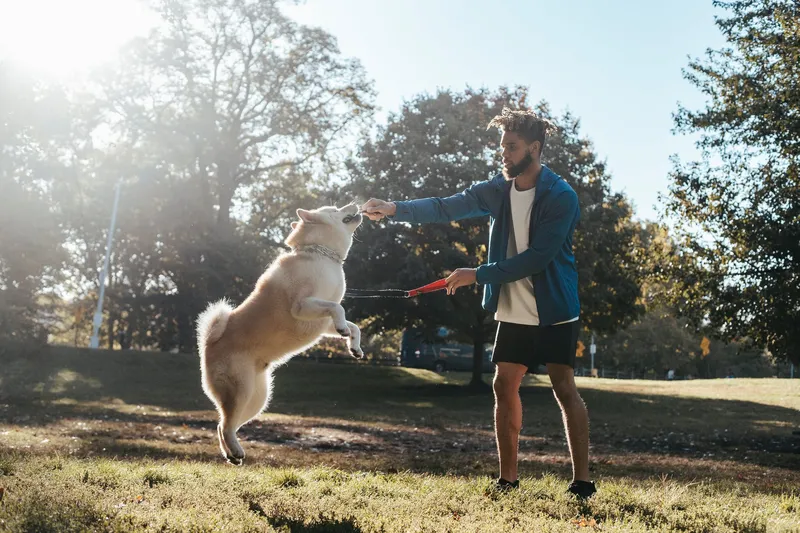
Pick a game based on what your dog naturally gravitates toward, not what you want to play.
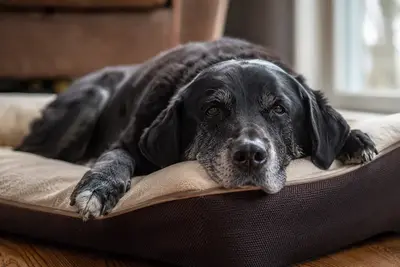
Depression
Dogs get depressed, just like people do. It can come from a change in environment, a physical illness, or other causes.
A depressed dog loses interest in play, and no amount of training will fix that until the depression is addressed.
What To Do
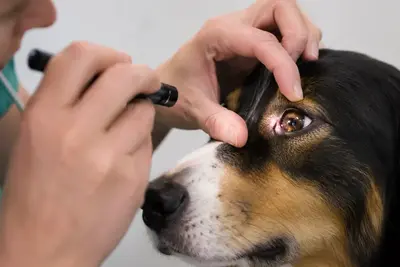
If you notice signs like loss of appetite or sleeping far more than usual, get your dog to a vet.
Follow the vet’s guidance and your dog should come around.
Lack Of Early Socialization
Some dogs simply didn’t get enough exposure to people and the outside world during early development.
Research shows that dogs who received appropriate socialization as puppies are more likely to engage positively with people. The flip side is equally true, and a dog that missed that window may not know how to play because the foundation was never built.
Dogs that weren’t socialized well during that critical stage tend to show a recognizable set of behaviors as they grow up.
Nervousness Around People And Other Dogs
Socialization helps dogs get comfortable with all kinds of environments, whether they’re crowded or quiet, and with the odd details of human life like walking sticks and hats.
Dogs that missed that exposure tend to be unwelcoming toward strangers and often fearful or aggressive around other dogs.
Fearfulness
A dog with almost no exposure to the outside world will cower or hide from anything unfamiliar.
That includes things as minor as a neighbor’s laundry flapping in the wind.
Aggressiveness
For most dogs, aggression comes from fear. It’s a defense mechanism, not a personality flaw.
An under-socialized dog doesn’t have the skills to handle stressful situations calmly, so they lash out instead.
Sensitivity To Sound
Some noise sensitivity is normal, a fear of thunder, for instance, is common. But if your dog panics at ordinary sounds like a doorbell or a car horn, that’s a different story.
That kind of reaction often points to under-socialization.
Fear of Walks And Adventures
Dogs that weren’t socialized well often resist leaving the house. The outside world feels threatening to them.
If it takes significant effort just to get your dog out the door for a walk, that’s a telling sign.
What To Do
For puppies, socialization is straightforward. Expose them to as many environments, people, and experiences as you can while they’re young, and their brains do most of the work.
For adult dogs, it takes more patience, but it’s still doable.
Start with daily walks to get your dog used to different smells, sounds, and surroundings. If they bark at people, stay calm and don’t scold them.
Praise and reward them when they settle down.
When your dog is ready, bring them near a dog park so they can observe other dogs from a distance. Don’t force interaction right away.
Let them adjust gradually, and they’ll grow more comfortable at their own pace.
The key is to go slow. Build comfort with you and other people one step at a time, and if your dog gets scared, stay calm and neutral, don’t react emotionally.
Once your dog is comfortable, use the training steps from the section above to teach them how to play.
You’re Not Fun Enough
If you want your dog to play with you, pick a game they actually enjoy. A dog that’s not interested in the activity you’ve chosen won’t participate, no matter how enthusiastic you’re.
You can usually tell pretty quickly: if they’re ignoring you or seem happier playing alone, you’ve picked the wrong game.
What to Do
Watch what naturally gets your dog engaged and build from there. That’s the game worth pursuing.
Your Dog Hates And Ignores You
If your dog doesn’t feel comfortable with you, they won’t play with you. Most dogs play with people they trust.
Refusing to play can be one of the signs a dog is avoiding you, so it’s worth considering whether the problem isn’t ability but relationship.
Pay close attention to how your dog acts around you specifically.
How To Know If Your Dog Hates And Ignores you
A dog that’s avoiding you won’t play with you, and you might assume they don’t know how to play when the real issue is the relationship itself.
It’s not always obvious. You have to watch carefully for behavioral patterns that show up consistently.
Sometimes we’re the cause of the cold shoulder and don’t realize it until the distance has already grown.
Here are the clearest signs to look for.
If Your Dog Leaves The Room Whenever You Enter
Dogs can avoid you in plain sight, just like people do. A dog that doesn’t trust you’ll often walk out of the room the moment you walk in.
If they stay, they’ll track your movements and start edging away as you get closer. Cowering or retreating when you approach is a clear signal they’re uncomfortable around you.
This kind of behavior often develops in dogs that have been punished or teased regularly.
If It Takes You A Lot Of Time To Get Your Dog To Come Over
Loyal dogs generally come to their owners without much fuss. It shouldn’t take extended coaxing to get a willing dog to come over.
Some things are naturally harder, like medication or bath time, but outside of those, a dog should be responsive to you. If they’re consistently slow to come or just ignore your call, that’s a signal something is off.
It could be fear from something that happened in the past, or it could just be that the trust between you has worn thin.
If Your Dog Is Afraid Of You
Fear is easy to read in dogs. Cowering, tucked tails, and hiding are all obvious signals.
Dogs should be comfortable with their owners, so if yours is starting to act scared around you, something is wrong. A broken bond or lack of connection will make a dog afraid, and a dog that’s afraid of you’ll ignore your commands and won’t play with you.
If Your Dog Plays With Other People But Not You
Depression can cause a dog to stop playing, and that’s not the same as ignoring you. The difference is how your dog acts around other people.
If your dog seems happy and relaxed with others but withdraws when you’re around, depression isn’t the cause. You’re.
Your dog is avoiding you specifically, so they won’t play with you.
If Your Dog Doesn’t Make Eye Contact With You
Eye contact is an easy thing to test. Look directly at your dog and notice what happens.
If they turn away or move to avoid your gaze, that’s a signal they’re not comfortable with you.
Most dogs enjoy eye contact with people they trust, especially during calm moments. A dog that consistently looks away may have lost interest in the relationship, or they may simply be afraid of you because of how you’ve treated them.
If Your Dog Doesn’t Accept Treats From You
Most dogs will do just about anything for a good treat. So when a dog refuses food from you, that’s notable.
If you’ve ever used food to lure your dog and then punished them when they came, they’ve learned that your treats aren’t safe. They don’t trust you, and they won’t take the bait again.
A dog that won’t accept anything from you is almost certainly avoiding you. That said, observe the full picture before assuming, there can be other reasons for food refusal too.
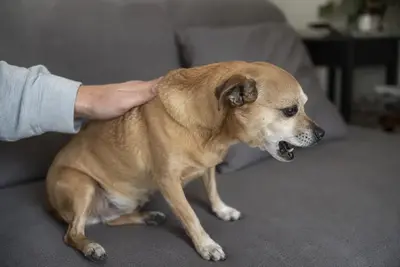
If Your Dog Bites or Growls at You
Growling or biting at an owner is uncommon, but it does happen. If a dog feels genuinely threatened, they may try to defend themselves.
Dogs can’t speak, so growling is how they communicate that something is wrong. It can mean pain, like if you accidentally stepped on them, or it can mean fear.
A dog that growls when you get close is telling you they don’t feel safe with you.
As covered earlier, that kind of fear will also cause them to ignore you and refuse to play.
If Your Dog Seems Nervous Around You
Dogs speak mostly through body language. If you learn to read it, the relationship gets a lot easier to manage.
Nervous dogs often lick their lips and yawn repeatedly. Those two signals on their own don’t always mean anxiety, but combined with other behaviors, they’re worth noticing.
Some dogs also raise the hair along their back as a sign of discomfort.
Other signs of stress around you include whining, barking, and shifts in body posture. The better you know your dog’s normal, the easier it becomes to spot when something’s off.
What To Do
Before you can teach a dog to play with you, you need to rebuild the trust between you. Don’t panic if your dog doesn’t seem to like you right now, it’s fixable.
Take your dog for daily walks. Shared time outside gives you both a chance to settle into each other’s company.
Talk to your dog on these walks, encourage them to come to you, and praise any small step forward. Dogs repeat what gets rewarded.
Feed your dog their favorite food and stay with them while they eat. Don’t hand over the bowl and walk off.
The act of sharing that moment matters.
Make physical affection part of the routine and try not to leave your dog alone for long stretches. Extended isolation can lead to separation anxiety, and rebuilding the bond requires presence.
Be patient. Don’t expect your dog to come around quickly.
They’ll get there on their own schedule, and small, consistent actions add up over time.
Final Thoughts
A dog that won’t play isn’t a lost cause, and in most cases the reason is something you can actually fix. Whether it’s insufficient training, a lack of early socialization, or a trust issue between you and your dog, the path forward is the same: patience, consistency, and small steps that build confidence over time.
Start by addressing whatever root cause fits your dog’s behavior, because training a dog that’s still depressed or fearful won’t get you far. Once the foundation is in place, choosing a game your dog genuinely enjoys and rewarding even the smallest sign of interest goes a long way toward making play feel safe and rewarding for them.
The bond between a dog and its owner is at the center of all of this. A dog that trusts you, gets regular walks, and feels secure in your home is far more likely to engage with toys and games than one that feels uncertain.
Give it time and don’t take a slow start personally, because dogs communicate differently than we do, and they come around on their own schedule.
Frequently Asked Questions
It's the adjustment timeline for rescue dogs: three days to decompress, three weeks to learn your routine, and three months to feel truly at home. Play often doesn't appear until well into that third stage, so a new rescue ignoring toys is completely normal early on.
The most common reasons are never learning as a puppy, stress in the current environment, breed wiring that favors other outlets, or discomfort like dental pain. Toys aren't instinctive for every dog. Start with food-based games and movement before expecting squeaker enthusiasm.
Keep it pressure-free. Scatter treats near a toy so it becomes a good omen, try food puzzles first, then movement games like gentle chase. Mirror any spark of interest and end sessions after two or three minutes while it's still fun. Progress is measured in weeks, not days.
Chase and recall games between two people, hide and seek with you as the prize, find-the-treat scent games, and short trick-training bursts all count as play. Many dogs that ignore toys light up for these. A rolled-up towel works for gentle tug if your dog enjoys it.
Some dogs are simply low-play personalities, especially seniors, certain working breeds, and dogs with rough histories. That's fine as long as your dog is otherwise engaged, eating well, and moving normally. A sudden loss of play in a previously playful dog is the version that needs a vet visit.