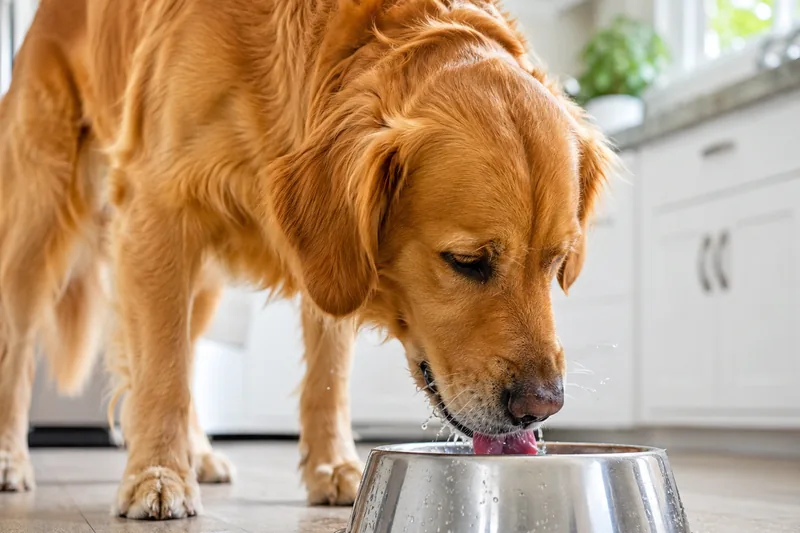
Water is the most overlooked nutrient in a dog’s diet, and the most important. A dog can lose nearly all its body fat and half its protein and survive, but losing just a tenth of its body water can be fatal.
Despite that, hydration rarely gets a second thought until something goes wrong. Most owners refill the bowl on autopilot and assume the rest takes care of itself.
This guide covers how much water your dog actually needs, how to spot trouble early, how heat changes the math, and what to do about a dog that just won’t drink enough.
This guide is for general education and does not replace veterinary care. A dog that suddenly stops drinking, or suddenly drinks far more than usual, should be seen by a vet.
Why Water Matters So Much
Water does the quiet work that keeps every system running. It carries nutrients, cushions joints, regulates temperature, supports digestion, and flushes waste through the kidneys.
A healthy dog’s body is roughly two-thirds water, and that level is tightly controlled. When it drops even a little, organs start working harder to compensate.
That is why dehydration is so dangerous. It is not just discomfort, it is a strain on the heart, kidneys, and circulation that worsens quickly if it isn’t corrected.
How Much Water a Dog Needs
The standard guideline is about one ounce of water per pound of body weight per day. A 20-pound dog needs roughly two and a half cups, while a 70-pound dog needs closer to nine.
Diet shifts the math. Dogs on wet food take in a good share of their water with meals, while kibble-fed dogs must drink nearly all of theirs from the bowl.
Activity and weather push the number higher. A long walk in summer can easily double the day’s requirement, since panting burns through water to cool the body.
You do not need to measure cups every day. Just learn your dog’s normal, keep the bowl filled from the same level, and you will notice when intake drops off.
How Diet Affects Hydration
What your dog eats changes how much it needs to drink. Dry kibble contains only about 10 percent water, so kibble-fed dogs have to make up the difference at the bowl.
Wet and fresh foods are roughly 70 to 80 percent water, which covers a meaningful share of the daily need. Dogs on those diets often drink noticeably less, and that is perfectly normal.
This is why adding water to dry food helps so many dogs. It raises total water intake without asking a reluctant drinker to lap up more on its own.
Signs Your Dog Is Drinking Too Little
The early signs are subtle and easy to miss. A slightly drier nose, a little less energy, and thicker, tackier saliva are often the first clues.
The gums tell the story sooner than anything else. Healthy gums are slick and wet, while a dog heading toward dehydration develops gums that feel sticky or dry.
Watch the water bowl itself, too. If you are refilling far less often than usual with no change in weather, your dog may not be drinking enough and is worth a closer look.
When It Becomes Dehydration
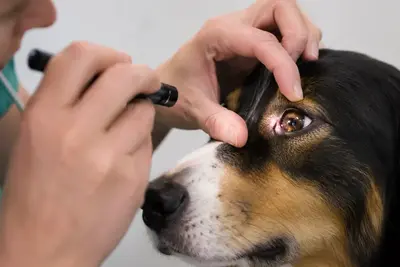
Once fluid loss outpaces intake, mild thirst tips into true dehydration. The classic test is the skin pinch, where loose skin over the shoulders is slow to flatten after being lifted.
At that point the situation can escalate fast, especially in puppies, seniors, and small breeds with little reserve. Moderate to severe dehydration is an emergency that needs veterinary fluids, not just a bowl of water.
Our full guide to dehydration in dogs covers the home tests, the causes, and the line where it becomes a true emergency.
How Long a Dog Can Go Without Water
A healthy dog can survive around three days without water, but survival is the wrong measuring stick. Real damage begins within the first 24 hours, well before that limit.
The practical rule is far simpler. One full day without drinking is the point where owner concern should peak, and heat or illness shrinks that window to hours.
Our guide to how long a dog can go without water breaks down the timeline and what to do for a dog that refuses to drink.
Hydration in Hot Weather
Heat is where hydration turns urgent. Dogs cool themselves mainly by panting, which spends water fast, and they overheat far more easily than people do.
On hot days, water needs can double or more. Shade, frequent water breaks, and avoiding hard exercise in the heat of the day all protect against a dangerous spiral into heatstroke.
Our guide to caring for a dog in heat covers hot-weather safety in depth, from cooling tricks to the warning signs of heatstroke.
Puppies, Seniors, and Special Cases
Some dogs need closer hydration attention than others. Puppies and toy breeds carry tiny water reserves and dehydrate dangerously fast, so they need frequent access and quick action if they stop drinking.
Senior dogs feel thirst less sharply and may simply forget to drink, which makes monitoring their intake worthwhile. Dogs that are sick, especially with vomiting or diarrhea, lose fluid rapidly and can slide into dehydration before an owner notices.
Pregnant and nursing dogs also need more water than usual. When in doubt about a vulnerable dog, err toward offering water more often and calling the vet sooner.
Helping a Reluctant Drinker
Some dogs simply do not seek out water enough, and picky drinkers need a nudge. Start with the basics, since a clean bowl of fresh water is more appealing than a stale, warm one.
A few tricks reliably boost intake. Many dogs prefer a pet fountain, and adding water or a splash of low-sodium broth to meals sneaks in extra fluid, as does offering ice cubes as treats.
Adding water to dry food is one of the easiest wins of all. Our guide to adding water to dry dog food explains how and why it helps, especially for kibble-fed dogs that drink too little.
When to See the Vet
Some hydration changes mean a vet visit, not a home fix. Call if your dog refuses water, shows signs of moderate dehydration, or seems weak and lethargic.
A sudden spike in thirst deserves attention too. Drinking far more than usual with no weather or exercise reason can be an early sign of diabetes, kidney disease, or another condition worth catching early.
When in doubt, a quick call to the clinic is the cheapest test you can run. Dehydration moves fast, so it is better to ask sooner than to wait it out.
Sources and Further Reading
These veterinary resources go deeper on canine hydration and water needs.
- How Much Water Should a Dog Drink, VCA Animal Hospitals
- Dehydration in Dogs, Merck Veterinary Manual
- American Veterinary Medical Association (AVMA)
Frequently Asked Questions
A good rule of thumb is about one ounce of water per pound of body weight per day, so a 40-pound dog needs roughly five cups. That number rises with heat, exercise, and a dry-food diet, and falls a little for dogs eating wet food. Use it as a guide rather than a strict target, since healthy dogs regulate their own intake well.
Two quick home checks help. Press a finger on the gums, which should feel moist and refill with color in under two seconds, and gently lift the skin between the shoulder blades, which should snap back fast. Tacky gums, slow skin return, sunken eyes, lethargy, and a dry nose all point to dehydration that needs water and possibly a vet.
Start with a clean bowl of fresh water and try a pet fountain, since many dogs prefer moving water. Adding water or low-sodium broth to food, offering ice cubes, and placing several bowls around the house all help. If your dog suddenly refuses water or drinks far less than normal, call your vet.
A sudden, lasting increase in thirst is worth a vet visit, since it can signal diabetes, kidney disease, or other conditions. Drinking a lot after exercise or on a hot day is normal. The thing to watch for is a clear change from your dog's usual pattern that doesn't have an obvious weather or activity explanation.
A healthy dog can survive roughly three days without water, but that is a ceiling, not a safe window. Real harm starts within the first day, and kidney damage becomes a genuine risk by the second. Treat any full day without drinking as a reason to act, and far sooner in heat or for puppies and seniors.