Dogs are built with very different tolerances for missing food and missing water. A healthy dog can ride out days without eating, and we cover that timeline in our guide to how long a dog can go without eating.
Water plays by harsher rules. The body has no real storage system for it, and every hour without a drink draws down a reserve that was never large.
This guide lays out the actual limits, the warning signs in order, and what to do for a dog that won’t drink. The short version: act early, because the safe window is smaller than most owners think.
The Short Answer: About 72 Hours, but Damage Starts Sooner
A healthy adult dog in mild conditions can survive roughly three days without water. Survival is the wrong measuring stick, though.
Dehydration begins within the first 24 hours. By the second day, organs are working under real strain, and kidney damage becomes a genuine risk even if the dog ultimately pulls through.
So treat 72 hours as a physiological ceiling, not a deadline you’re allowed to approach. The practical rule is far simpler: one full day of no water intake is where owner concern should peak.
And that’s the rule for ideal conditions. Heat, exercise, illness, and age all shrink the window, sometimes down to hours.
How Much Water Dogs Actually Need
The standard guideline is about one ounce of water per pound of body weight per day. A 20-pound dog needs roughly two and a half cups, while a 70-pound dog needs closer to nine.
Diet shifts the math. Dogs on wet food take in a meaningful share of their water with dinner, while kibble-fed dogs must drink nearly all of theirs at the bowl.
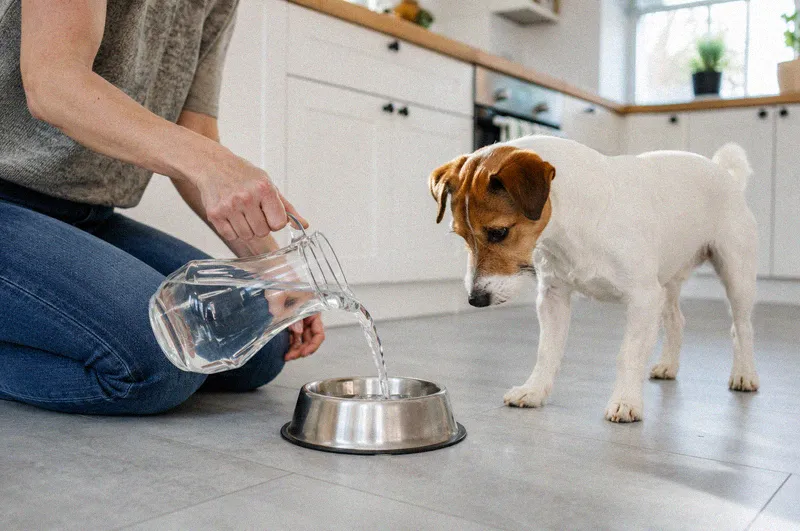
Activity and weather shift it further. A fetch session in July can double the day’s requirement, since panting is a water-powered cooling system.
Puppies run hotter numbers than the chart suggests. Growing bodies need up to twice the adult rate per pound, which is part of why puppies dehydrate so much faster when something goes wrong.
You don’t need to measure cups daily. Just know your dog’s normal, refill from the same starting level, and you’ll notice within a day when drinking falls off a cliff.
The other end of the leash matters too. If you’re suddenly refilling the bowl twice as often with no weather excuse, increased thirst is its own symptom worth mentioning to your vet.
The Signs of Dehydration, Stage by Stage
Early dehydration is subtle. You’ll see less energy, a drier nose, thicker saliva, and panting that seems out of proportion to the day.
The gums tell the story sooner than anything else. Healthy gums are slick and wet, while a dehydrating dog’s gums turn tacky, like they’ve been lightly blotted.
There’s also a simple gum test called capillary refill. Press a finger on the gum until it blanches white, release, and healthy pink should return in under two seconds.
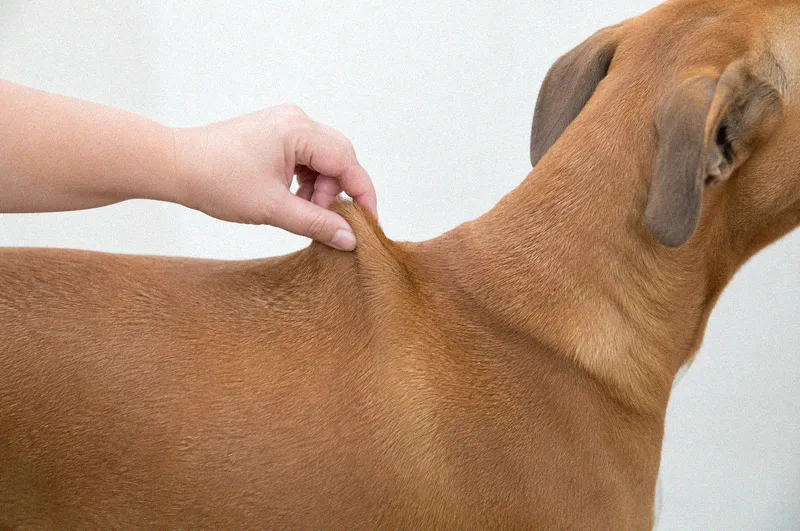
The skin tent is the classic check for moderate dehydration. Gently lift the skin between the shoulder blades and let go, and hydrated skin snaps flat while dehydrated skin sinks back slowly like a deflating tent.
Urine completes the picture. A well-hydrated dog produces pale yellow urine several times a day, while dark, strong-smelling urine in shrinking amounts says the body is already rationing.
Late-stage signs are unmistakable and frightening. Sunken eyes, weakness, wobbling, and a dog too flat to lift his head mean the emergency already started hours ago.
Match your response to the stage. Tacky gums earn fresh water and close watching, a slow skin tent earns a vet call, and any late-stage sign earns an immediate drive.
Why Dogs Stop Drinking
Healthy dogs rarely refuse water for no reason, so a dry bowl streak is a clue worth chasing. Nausea is the most common explanation, since a queasy dog avoids the bowl the way a queasy person does.
Pain comes a close second. Dental trouble makes cold water sting, and neck or joint pain can make the bend down to the bowl the actual obstacle.
Sometimes the problem is the water itself. A slimy bowl, water that’s been sitting for days, or a new home with different-tasting tap water can all trigger a quiet boycott.
Stress plays its part too. Boarding, travel, fireworks, and household changes suppress thirst in some dogs the same way they suppress appetite.
And in older dogs, reduced drinking sometimes signals disease that will need attention anyway. Kidney issues and diabetes usually push thirst up, but other illnesses push it down, and either change from normal is worth reporting to your vet.
Heat, Sickness, and Other Clock-Shrinkers
Everything in this guide assumes a mild day and a healthy adult. Real life keeps adjusting that math downward.
Heat is the biggest factor. A dog panting through a hot afternoon is spending water by the minute, and a dog without water in a hot car or yard can reach crisis in hours, not days.
Vomiting and diarrhea are the next biggest. They pour fluid out while the dog takes none in, which is why a sick dog’s safe window can shrink to half a day.
Size and age matter just as much. Puppies and toy breeds carry tiny reserves, and senior dogs both feel thirst less sharply and tolerate dehydration worse.
Medications quietly join the list as well. Diuretics prescribed for heart conditions and steroids both increase water loss, so dogs on either need their bowls watched more closely than most.
Nursing mothers round out the high-risk group, since milk production draws heavily on the body’s water. For any dog in these categories, the one-day rule becomes a half-day rule.
How to Get a Reluctant Dog Drinking
Start by making the water itself more appealing. Wash the bowl daily, refill with cool fresh water, and add a second bowl in a quiet spot away from foot traffic.
Flavor is the most reliable trick. A splash of low-sodium chicken broth turns plain water into something most dogs actively want.
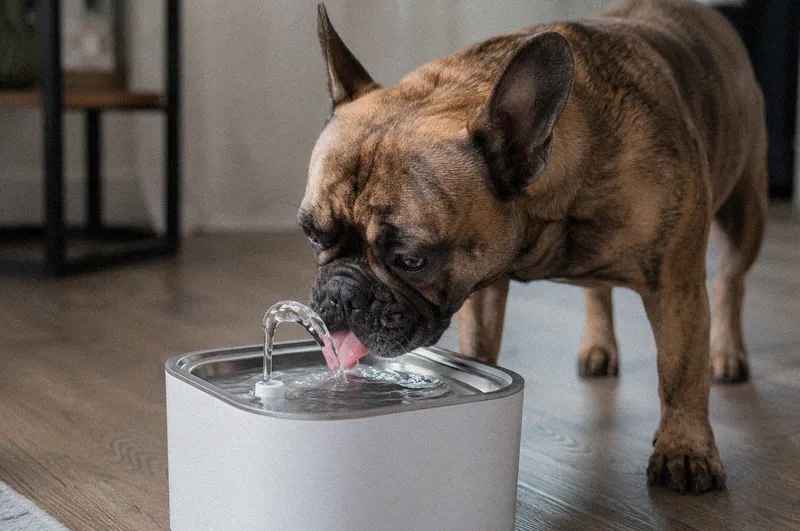
Movement helps more than you’d expect. Pet fountains keep water circulating and interesting, and some dogs who ignore a bowl will happily drink running water all day.
Food is a hydration channel too. Wet food carries water with every meal, and adding water to dry kibble quietly raises intake for dogs who’d never increase their bowl visits.
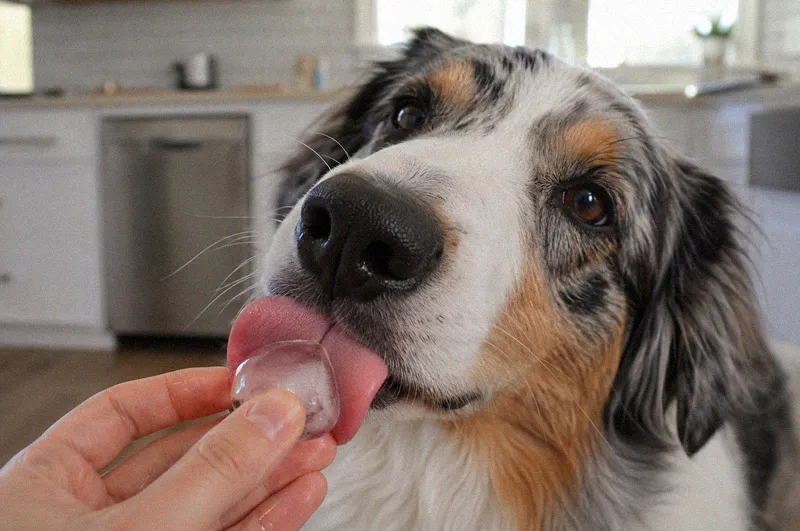
Ice cubes work as a treat-shaped delivery system. Many dogs who won’t drink will gladly crunch a few cubes, and frozen broth cubes combine both tricks at once.
Offer small amounts often rather than staring at one full bowl. Frequent little wins beat one standoff.
Rehydrating Safely After a Dry Spell
When a dehydrated dog finally gets access to water, the instinct is to let him drain the bowl. Don’t.
Gulping a huge volume on an empty, stressed stomach often comes right back up, which deepens the deficit. Offer small amounts every 15 to 20 minutes instead, a few tablespoons for a small dog and up to half a cup for a large one.
Once the first hour goes smoothly, you can loosen the rationing. Keep meals small and bland that day while the system reboots.
For anything beyond mild dehydration, rehydration is a vet job. Clinics restore fluids with injections under the skin or directly into a vein, which works faster and more safely than the water bowl ever could.
That’s not an extravagance, it’s the correct tool. A moderately dehydrated dog can be visibly better within hours of proper fluid therapy.
When It’s an Emergency
Some situations skip the watch-and-wait stage entirely. A dog showing sunken eyes, severe lethargy, or a skin tent that barely recovers needs a clinic now.
The same urgency applies to context. No water access during a hot day, ongoing vomiting or diarrhea with refusal to drink, or a puppy or senior refusing water for more than a few hours all justify the call.
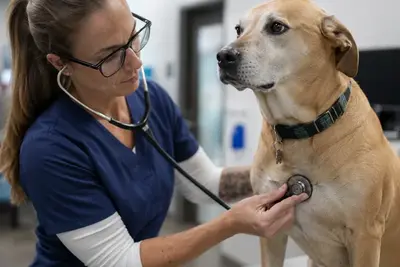
When in doubt, use the phone. Describing the gum feel, the skin tent, and the timeline to your vet takes five minutes and replaces guesswork with a plan.
The cost of overreacting is a short car ride. The cost of underreacting is measured in kidneys.
Final Thoughts
The 72-hour survival figure answers the question but misses the point. Damage starts within a day, and every aggravating factor, from heat to illness to age, moves the danger line closer.
The good news is that water problems announce themselves early to owners who know the checks. Tacky gums, a slow skin tent, and a full bowl at the end of the day are all messages arriving in time to act.
Keep the water fresh, learn your dog’s normal, and treat a full day of refusal as the deadline it is. Hydration is the cheapest health insurance a dog has.
Frequently Asked Questions
Make water more interesting before forcing anything. A splash of low-sodium chicken broth, ice cubes to lick, a pet water fountain, and mixing water into food all work on most dogs. Offer small amounts often rather than one big bowl. If your dog still refuses for more than a day, a vet can rehydrate with fluids.
Much less time than a healthy one. Vomiting and diarrhea drain fluid while the dog takes none in, so dehydration can become dangerous within 12 to 24 hours. A sick dog refusing water doesn't get a wait-and-see window, it gets a same-day vet call.
Yes, a healthy adult handles a workday or a night's sleep without trouble, and most dogs naturally drink little overnight. The concern starts when a dog skips water across a full day despite it being available, or when heat, exercise, or illness raise the stakes.
Pulling the bowl an hour or so before bed is fine for young puppies in housetraining, but total overnight restriction isn't necessary and backfires in warm weather. A well-timed last potty break does more for dry floors than a dry water bowl does.
Refusing both at once points to something systemic: nausea, pain, infection, or worse. It's a faster red flag than refusing food alone, because the dehydration clock is shorter than the starvation clock. Treat a full day of refusing both as a vet visit, sooner for puppies and seniors.