Those little white flakes scattered through your dog’s coat and across the dog bed are dandruff, and they’re more than a cosmetic annoyance. They’re the skin telling you something about its health.
Sometimes the message is mild, like dry winter air. Sometimes it points to diet, parasites, or an underlying condition that needs real attention.
This guide explains what dog dandruff is, the full range of causes, what you can safely do at home, and the signs that mean it’s time for a vet. The flakes are a symptom, so the goal is always to find what’s behind them.
What Dog Dandruff Actually Is
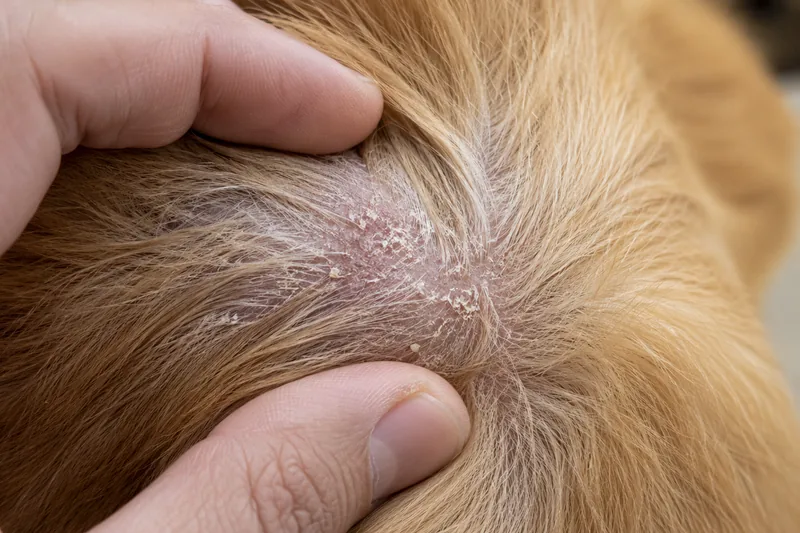
Dandruff is simply dead skin cells flaking off faster than usual. Skin constantly renews itself, shedding old cells, and dandruff is what you see when that shedding becomes visible.
A dog’s skin also produces oils from sebaceous glands to stay supple and protected. When the balance of skin cell turnover and oil production gets disrupted, flaking increases and you get dandruff.
The flakes themselves are usually white or grayish and show up most against a dark coat or on bedding. They’re a sign that the skin’s normal cycle is off, not a disease in their own right.
Normal Flakes vs a Real Problem
A small amount of flaking is normal, and almost every dog has the odd flake. The question is one of degree.
Occasional, light dandruff with healthy skin and a normal coat usually isn’t a concern. It often tracks with dry weather and resolves with basic care.
The flags that signal a real problem are heavier flaking, dandruff that appears suddenly, and flakes that come with other symptoms. Itching, redness, hair loss, scabs, or an odor all move dandruff from cosmetic to medical.
In short, watch the company the flakes keep. Dandruff alone on an otherwise comfortable dog is minor, while dandruff plus discomfort is worth investigating.
Dry vs Oily Dandruff
Dandruff comes in two flavors, and telling them apart helps. The medical umbrella term is seborrhea, and it splits into dry and oily forms.
Dry seborrhea is the familiar version: loose white flakes and skin that feels dry. This is the type most often linked to dry air, mild nutritional gaps, and simple skin dryness.
Oily seborrhea is greasier and often smellier, with flakes that stick to a waxy coat and skin that feels oily to the touch. This form more frequently signals an underlying condition and tends to need veterinary help.
Many dogs show a mix of both. Either way, persistent seborrhea is usually a symptom of something else rather than a standalone diagnosis.
The Common Causes
Dandruff has a long list of possible triggers, which is exactly why a stubborn case deserves a proper look. Dry environment is one of the most common, with low humidity in winter or from indoor heating drying out the skin.
Diet is another big one. A diet short on quality fats and omega-3 fatty acids leaves the skin and coat dry and flaky, and improving nutrition often improves the skin.
Allergies drive a lot of skin trouble, dandruff included. Environmental and food allergies inflame the skin and disrupt its barrier, which is part of the broader picture of skin problems that lead to flaking and itching.
Then come the medical causes. Skin infections from bacteria or yeast, parasites like the mites covered below, hormonal diseases such as hypothyroidism or Cushing’s, and even obesity or arthritis that stops a dog from grooming itself can all show up first as dandruff.
Walking Dandruff: The Mite Version
One cause deserves its own spotlight because it’s distinctive and contagious. Cheyletiella mites cause a condition nicknamed walking dandruff, and the name is literal.
These large mites live on the skin surface and move around under the flakes, so the dandruff itself appears to crawl if you look closely. It typically shows up along the back and is often itchy.
The important part is that walking dandruff spreads. It passes between pets easily and can cause a temporary itchy rash on people, which sets it apart from ordinary dryness-related flaking.
If your dog’s dandruff seems to move, or if other pets and family members are suddenly itchy, see a vet. Cheyletiella needs specific anti-parasite treatment, and the whole household and other pets usually need addressing at once.
What You Can Do at Home
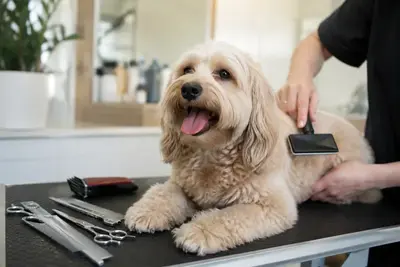
For mild, dryness-related dandruff on an otherwise healthy dog, several simple measures genuinely help. Regular brushing tops the list, since it removes loose flakes and dead hair while spreading the skin’s natural oils through the coat.
Adding omega-3 fatty acids is one of the most effective dietary fixes. A vet-recommended fish oil or skin supplement supports the skin barrier from the inside, and a quality diet does the same groundwork.
Address the air and the water bowl too. A humidifier counters dry indoor air in winter, and making sure your dog stays well hydrated supports skin health from within.
Be careful not to over-bathe, which strips oils and worsens dryness. Bathing on a sensible schedule with the right products matters more than frequent washing.
Choosing a Shampoo
The right shampoo can help, and the wrong one can hurt. Reach for a moisturizing or anti-dandruff shampoo formulated for dogs, ideally one your vet suggests for your dog’s skin type.
Look for soothing, hydrating ingredients for dry, flaky skin, and follow the directions on contact time, since medicated shampoos need to sit before rinsing. Our roundup of dog shampoos for dandruff walks through good options, and the same care applies to coats that flake while shedding heavily.
Never substitute human dandruff shampoo. It’s formulated for human skin pH and can irritate a dog’s skin, which often makes the flaking and itching worse rather than better.
When to See the Vet
Home care suits mild cases, but plenty of dandruff needs professional help. See a vet if the flaking is heavy, comes on suddenly, or doesn’t improve with basic care.
The clearest signals are accompanying symptoms. Intense itching, hair loss, redness, scabs, sores, a bad smell, or greasy skin all point to a medical cause that home remedies won’t fix.
Dandruff alongside signs of illness deserves prompt attention too. Flaking paired with weight changes, low energy, increased thirst, or other symptoms can be an outward sign of a hormonal or internal disease.
A vet can pinpoint the cause with a skin exam and simple tests, then target it. That’s the difference between managing flakes forever and actually clearing them.
Preventing Future Flakes
Most prevention is just good routine skin care. A quality diet with adequate fatty acids keeps the skin nourished from the inside, and a supplement helps dogs prone to dryness.
Brush regularly to keep oils distributed and flakes cleared. Bathe on a sensible schedule with dog-appropriate products, and manage indoor humidity when the heating dries the air.
Stay on top of parasite prevention, which heads off the mite and flea causes of flaking. Year-round preventives close that door cheaply.
Finally, keep up with routine vet care. Catching an allergy, infection, or hormonal issue early often means catching it before it ever becomes a dandruff problem in the first place.
Final Thoughts
Dog dandruff is common, usually manageable, and almost always a clue rather than a disease. A few flakes in dry weather are nothing, but heavy or itchy flaking is the skin asking for help.
For mild cases, the home toolkit is simple and effective: brush often, add omega-3s, manage humidity, and use the right shampoo without over-bathing. Those steps clear up a lot of everyday flaking.
When the dandruff is stubborn, sudden, or comes with itching, hair loss, or odor, let a vet find the cause. The flakes clear for good only when whatever is driving them gets treated.
Frequently Asked Questions
Sudden dandruff usually points to a change: drier air in winter, a new diet, allergy season, or a parasite your dog picked up. It can also be an early sign of a skin infection or an internal health issue. If flaking appears quickly and heavily, especially with itching or other symptoms, a vet visit helps pin down the trigger.
Start with the basics: regular brushing, an omega-3 supplement, good hydration, and a quality diet, plus a humidifier if your home is dry. A moisturizing or anti-dandruff dog shampoo can help mild cases. If the dandruff is heavy, itchy, or persistent, see a vet, because treating the underlying cause is what actually clears it.
Yes, brushing is one of the simplest and most effective things you can do. It removes loose flakes and dead hair, stimulates the skin, and spreads the natural oils that keep the coat healthy along the hair shafts. Regular brushing won't fix an underlying medical cause, but it noticeably improves mild, dryness-related dandruff.
Ordinary dandruff from dry skin isn't contagious at all. But one specific cause, a mite called Cheyletiella or walking dandruff, can spread to other pets and cause a temporary itchy rash on people. If the flakes seem to move or several pets and family members are itchy, see a vet, since that needs specific treatment.
Some owners find gentle measures like added omega-3s or a humidifier helpful, and small amounts of coconut oil are sometimes suggested, but check with your vet first. Human dandruff shampoos and harsh home treatments can irritate dog skin and make things worse. Persistent or itchy dandruff needs a diagnosis, not just a remedy.