Keeping a dog healthy is mostly about the small habits you build early. Good care now heads off bigger problems later.
A lot of it comes down to the basics: balanced food, regular vaccines, and enough time and training.
This article walks through ten preventive care tips, from diet and seasonal medication to socialization and a proper doghouse. Each one is simple to start.
Here’s where to begin.
1. Nutrition/Diet
Diet is one of the biggest contributors to your dog’s overall health. A good quality canned or kibble food forms the foundation.
Good additions include cooked veggies, dog snacks, lightly cooked chicken or beef, eggs, green leafy vegetables, and coconut oil. Check the nutritional requirements and related diseases of small animals for the specifics on your breed.
A well-rounded dog diet provides a balanced ratio of calcium, vitamins, carbohydrates, and protein. Avoiding dangerous foods is just as important as getting the right ones in.
Several foods are dangerous or risky for dogs. The list includes chocolate, alcoholic drinks, coffee, fatty foods, and grapes.
Raw meat and raw eggs carry a bacterial risk and should be avoided too.
Take care of your dog’s diet with the same seriousness you’d give your own. Poor diet and irregular feeding times can lead to unnecessary weight gain and even sleep problems.
Keep it simple and consistent, and don’t experiment with unusual food combinations. A good diet supports proper growth, healthy teeth, good skin, and a shiny coat.
Calcium intake deserves special attention. Strong teeth and bones can add approximately five extra years to your dog’s life.
Those strong bones make it easier for your dog to play and exercise well. A balanced diet also encourages probiotics, the naturally occurring good bacteria in your dog’s gut.
That keeps digestion on track and helps your dog bounce back faster from minor illness, which supports a stronger immune system overall.
2. Vaccination
Vaccination is one of the most effective tools you have for protecting your dog from serious, sometimes fatal diseases. Rabies vaccination, in particular, should be kept current at all times.
Many other vaccines that protect against dangerous infections are relatively affordable. Getting familiar with your dog’s vaccination schedule is worth the effort.
Vaccines work by helping your dog’s immune system recognize and fight disease-causing pathogens like viruses and bacteria. They contain antigens that reduce or eliminate the threat before it takes hold.
If your dog is exposed to something mild that you didn’t even notice, vaccines are often what prevents it from becoming serious. Common dog diseases include rabies and influenza, and both can spread to other dogs and to people, which is why skipping vaccines creates real risk.
Rabies vaccination is required by law in most states. Puppies are especially vulnerable.
A puppy should get the rabies vaccine at 12 weeks, then again 12 to 14 months later, and then every 3 years. In practice, that means vaccinating at 12 weeks, at 1 year, then at 4 years old.
Staying current with vaccines also matters if you plan to breed your dog. Vaccination helps prevent certain diseases from passing to offspring.
A well-vaccinated parent gives puppies a better start and a stronger immune system, leaving them less exposed to the diseases their parents once faced.
3. Medication With Seasonal Change
Dogs can develop seasonal allergies just like people. A change in season can bring on itchy skin, a runny nose, sneezing, or your dog just seeming a bit off.
Spotting a seasonal reaction early isn’t that difficult once you know what to watch for. The itchiness can range from mild to intense and tends to show up around the muzzle, paws, groin, or armpits.
What a lot of owners don’t realize is that a dog can seriously damage its own skin through repeated scratching. If you notice your dog scratching, rubbing against furniture, or chewing at their body more than usual, get them to a vet.
Untreated skin issues can turn into painful infections, and some dogs will also develop a noticeable odor. The after-effects of seasonal illness can be more serious than the original flare-up.
Even after a full recovery from something like skin itchiness, the affected area can develop permanent hair loss or red and black scarring. In some cases, portions of the tail or ears may require trimming.
A few basic precautions help keep seasonal problems from starting. Using antibiotic sprays at each season change, especially during high-humidity periods, is a good habit, and keeping your dog away from plants at night reduces insect exposure.
Dogs with long hair are more likely to pick up insects that can breed and trigger allergies. Air conditioning in summer can prevent pimples and rashes, and keeping your dog inside on cold winter mornings protects their skin from extreme dryness.
4. Freedom
Dogs are intelligent animals, and giving them enough freedom to behave like dogs is genuinely good for their mental health. Most companion dogs live structured lives, but that structure can leave them feeling constrained.
The leash is the clearest symbol of that relationship. To us, it means taking the dog outside, letting them sniff and move around and burn some energy.
To a dog, it’s also a tether. They can only go where we decide, on our schedule, at our pace.
That doesn’t mean leashes are bad. It means that outside of leash time, dogs benefit from having real freedom to sniff, run, explore, and express themselves.
Most owners genuinely want their dog to be happy. The ones who run into problems tend to be those who expect dogs to behave in ways that go against their nature.
Forcing a dog to sit inside alone for hours, discouraging natural behaviors like sniffing and exploring, or preventing them from interacting with other dogs puts unnecessary stress on an animal that needs to move and engage. If you recognize those patterns, scaling them back is the right call.
5. Allow Your Dog To Meet Your Friends
Socialization matters as much for your dog as it does for you. A dog’s personality develops and stabilizes when they regularly meet new people, especially the ones in your inner circle.
Letting your dog spend time with your friends and their kids keeps their mind calm and engaged. Regular social contact is genuinely good for a dog’s mental state.
Think about what isolation does to a person. No socializing, no outlet for emotions, no connection with others, and their personality suffers for it.
Dogs bottling things up can become unpredictable, and in some cases that means biting or frightening people without much warning. Introducing your dog to everyone in your regular circle, even on quick errands, reduces that risk.
If the people you know also have dogs, that’s a bonus. Dog-to-dog interaction teaches your dog how to read and respond to others.
When guests come to your home, greet them yourself first so your dog can watch. Whether you shake hands or hug, your dog picks up on the fact that you’re relaxed, and that helps them relax too.
If your dog jumps, ask guests to cross their arms over their chest and turn their back, without looking at the dog or saying their name. Once your dog is settled and comfortable with the guests, you can let them off the leash.
6. Proper Training
Training is essential in every dog’s life. The method you choose matters just as much as the outcome you’re after.
Good training teaches manners that make your dog easier to live with and more pleasant for everyone to be around. A lot of owners make the mistake of yelling, but dogs have far better hearing than we do, and a firm, calm voice is usually enough.
Finding the right motivation for your specific dog is what makes training click. A dog also needs to learn a solid stay, which is important for their safety and yours.
Recall training is one of the most valuable skills you can teach. Even if your dog is usually on a leash, knowing they’ll come back when called is critical if the leash slips or you’re out on a trail or at the beach.
Jumping is adorable in a puppy and a real problem in a 40 kg adult, so the sooner you curb it the better. Your dog should also learn not to take food from strangers and to drop anything they’ve picked up on command.
Teaching tricks like giving a paw, rolling, and jumping takes less time than most people expect. Calming signals are worth learning too, both for the dog and for you, since they help during interactions with other dogs and can prevent conflicts before they start.
You know your dog better than anyone, which makes you their best trainer. A training school can help, but you’re the one who has to carry it through at home.
7. Proper Pet House Structure
Where your dog sleeps and spends time alone matters more than most owners give it credit for. The doghouse should be as close to your room as possible, since dogs do better when they’re near their owner.
Good doghouse design comes down to size, materials, placement, and bedding. It doesn’t need to be elaborate, just practical.
The goal is to keep your dog dry, out of the wind, cool in summer, and warm in winter, with a space they feel safe in. Dryness is the top priority.
Your dog will track in some water after a rainy day, but that’s not the real concern. The bigger issue is humidity building up inside.
High humidity allows bacteria and viruses to become airborne and spread easily, which is why wood is the preferred material: it breathes and stays drier. Short-haired and long-haired dogs are both well-insulated by their coats, so cold weather is manageable with a well-built structure.
Aim for a doghouse at least triple the size of your dog. A rough guideline for a 70-pound dog is an opening about 12 inches wide by 14 inches high.
In hot climates, a larger opening helps with ventilation. The bottom of the opening should sit 4 to 8 inches above the floor to keep bedding and puppies from spilling out.
Point the door away from the direction of the prevailing winter winds. For bedding, use washable blankets or pads that can be disinfected regularly.
8. Spending Proper Time With Your Dog
Life is busy, and actual quality time with your dog is easy to let slip. Dogs don’t tend to lack for food or shelter, but they do sometimes lack for real attention from their person.
You can’t manufacture more hours, but you can be smarter about how the hours you have are used. The easiest approach is combining activities: instead of exercising alone, take your dog on your walk or run.
The dog park works the same way. You get your steps in, and your dog gets time with you plus the mental stimulation of being somewhere new.
Scheduling social plans that include your dog is another practical fix. Catching up with a friend?
Suggest a walk and bring the dog.
Between work, family, and errands, building your dog into your daily routine, even for cuddling or a short play session, keeps that bond solid and the dog genuinely happy.
9. Provide Them What They Like
Paying attention to what your dog actually enjoys is a simple way to strengthen your relationship and keep them content. Keep track of their likes and dislikes, even jotting them down so you can stay consistent.
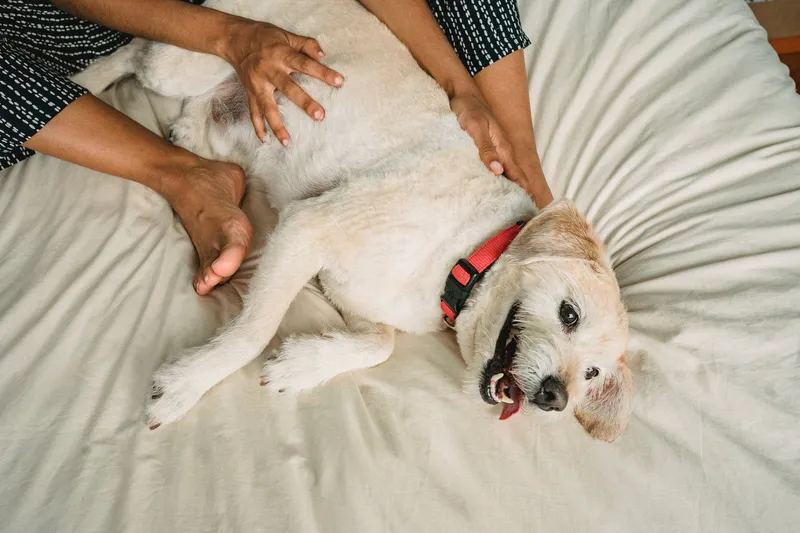
More than 90% of dogs enjoy being rubbed and cuddled in the right way. That’s not just affection: it reinforces trust.
Keep toys available at all times, including a few in the car so you’re not caught empty-handed on a trip. A tennis ball or a football is all you need to start.
Dogs love balls because they roll unpredictably and trigger that chase instinct. One thing worth knowing is that many dogs prefer having their chest rubbed rather than their belly, so pay attention to how yours reacts.
A daytime nap is another thing most dogs genuinely enjoy. Plenty of people share that preference, and there’s no reason to keep your dog from it.
Most dogs also do well with a predictable routine. Building your schedule in a way that includes your dog, rather than fitting them in as an afterthought, makes a noticeable difference in how settled and happy they’re.
10. Your Behavior
A lot of human behavior is genuinely intimidating to dogs, like direct eye contact, leaning over them, or getting into their space too quickly. Being aware of that goes a long way toward building trust.
Try to bring calm, consistent energy around your dog, even when you’re stressed about something that has nothing to do with them. It’s not their fault, so don’t let your mood spill over.
Be genuine with your attention. Dogs are perceptive and they pick up on hollow gestures, which can make them anxious rather than reassured.
Ask neighbors, relatives, and friends to treat your dog respectfully too. The behavior of the people around your dog shapes how confident and sociable your dog becomes.
Teaching your dog to offer a paw when greeting people is a practical way to set expectations and make those interactions go smoothly. People tend to respect a well-mannered dog, and that starts with how you model the relationship.
The Vet-Side Checklist: Exams, Parasites, and Teeth
The ten tips above cover what you control at home. A complete preventive care plan adds three things only a veterinary routine can deliver.
First is the wellness exam. Healthy adult dogs need a full checkup once a year, and seniors do better on a twice-yearly schedule so changes get caught early.
Those visits are where early detection happens. A vet hears a heart murmur, feels a lump, or flags weight drift months before you’d notice anything at home, and routine bloodwork catches kidney and liver trends while they’re still cheap to manage.
Second is parasite prevention, and it runs year-round. Heartworm spreads through a single mosquito bite and treatment is brutal compared to prevention, so monthly preventives stay on schedule even through winter.
The same logic covers fleas and ticks. Modern monthly or quarterly products beat reacting to an infestation after it has moved into your carpet.
Third is dental care, the most skipped piece of canine healthcare. By age three most dogs already have some dental disease, and bad teeth don’t stay in the mouth, since chronic oral infection stresses the heart and kidneys too.
Brushing a few times a week with dog toothpaste is the gold standard at home. Dental chews help between brushings, and a professional cleaning handles what brushing can’t once tartar takes hold.
Bundle all three into calendar reminders and the vet side of prevention basically runs itself. Annual exam, monthly preventives, weekly brushing, done.
Final Thoughts
Preventive care is really just a collection of small, consistent habits, and each of the ten tips in this guide is easy enough to start right now. A balanced diet, current vaccines, regular exercise, and time spent socializing your dog address most of the health risks owners deal with.
The tips that get skipped most often are the ones around behavior and environment: giving your dog enough room to act like a dog, spending real time together, and keeping their living space clean and comfortable. Those factors have a genuine effect on stress levels and immune resilience.
None of these tips work particularly well in isolation. Applying them as a routine is where the real benefit comes from, and if something feels off with your dog at any point, trusting that instinct and calling the vet is always the right move.
The goal is a long, active, happy life for your dog, and the habits you build now are the foundation for that.
Frequently Asked Questions
Anything that stops disease before it starts: annual wellness exams, core vaccines, year-round parasite prevention including heartworm, dental care, weight management, and routine screening bloodwork. Daily habits like good nutrition, exercise, and grooming checks count just as much as the vet-side pieces.
Once a year for healthy adults, and every six months once your dog hits senior age or carries a chronic condition. Puppies visit more often during their vaccine series. Those exams exist to catch murmurs, lumps, and weight drift while they're still small problems.
Yes. Veterinary guidance is year-round monthly prevention regardless of climate, because one warm spell and one mosquito are all it takes. Prevention is inexpensive and easy, while treating an actual heartworm infection is long, hard on the dog, and far more costly.
It varies a lot by region, but an annual exam, vaccines, and year-round parasite preventives typically add up to a few hundred dollars a year. That's consistently cheaper than treating the diseases they prevent. Many clinics offer wellness plans that spread the cost into monthly payments.
Brush a few times a week with a dog-specific toothpaste, never human toothpaste. Dental chews and dental diets help between brushings. Once tartar has hardened on the teeth, only a professional cleaning can remove it, so the home routine is about slowing that buildup down.