Noticed small bumps or pimples on your dog’s skin? It could be folliculitis, an inflammation of the hair follicles.
It’s usually bacterial. A follicle gets damaged, bacteria already living on the skin overgrows, and the irritation follows.
This article covers the symptoms and causes, then walks through how vets diagnose and treat it. We also cover natural remedies and ways to lower the odds of it coming back.
Skin issues are easy to miss early, so a vet visit is always the safest first step.
Symptoms And Causes Of Folliculitis
If you notice anything off with your dog’s skin, go to the vet sooner rather than later. A vet can identify the problem far more reliably than a home guess.
They’ll give you an accurate diagnosis and recommend the right treatment based on what they actually find.
Causes Of Folliculitis
As mentioned, a common cause of folliculitis is bacteria. Yeast and similar fungi can also play a role in triggering the condition.
Ringworm is one fungal cause. Blastomycosis is another.
Skin trauma that damages the follicles themselves can also lead to folliculitis. Shaving a dog down to the skin, whether before an IV insertion or to remove staining like paint, can damage hair follicles directly.
Shaving to the skin shouldn’t be done casually. If you’re concerned about your dog overheating in summer, a professional groomer can trim a single-coated dog’s fur without going too short.
Double-coated dogs shouldn’t be shaved at all.
Canine acne is another common cause. Like human acne, it’s a skin disorder involving inflamed bumps, and it tends to cluster around the chin.
When those bumps are scratched open, the bacteria spreads and can compromise the surrounding hair follicles.
Skin allergies can trigger folliculitis too, and some immune system disorders make it harder for the body to keep bacterial overgrowth in check.
Untreated diabetes can also be a factor. Open wounds or skin trauma create a sugar-rich environment that bacteria thrive in, which can lead to overgrowth beneath the skin.
Types Of Symptoms Found In Dogs With Folliculitis
Symptoms of folliculitis are:
- Pimples with hair sticking out at the center of each one
These are easier to spot in thin-furred areas like the chin, or on breeds with shorter coats overall. Don’t try to pop or squeeze them, as that spreads bacteria further.
Don’t attempt to remove your dog’s pimples without veterinary guidance.
- Blackheads
These are surface-level blemishes from clogged pores, showing up as small to medium dark spots along the skin.
Trying to remove blackheads can spread the bacteria further.
- Fur loss
A hallmark of folliculitis-related fur loss is epidermal collarettes: circular patches of hair loss with a crusty border around the edge.
- Parasites, like mites
- Reddish swelling on the skin, also known as papules
- Hyperpigmentation (darkening and thickening of the skin)
This typically shows as light brown to black discoloration. The affected skin may feel velvety, or it may be rough and thickened.
Hyperpigmentation usually appears in areas with little fur or causes fur loss in those spots. The legs and groin are the most common sites.
- Itchiness, resulting in excessive scratching along with the affected areas
- Surface level erosions of the skin
- Pain on or around the affected areas
You might notice your dog avoiding contact with certain spots, or moving awkwardly to keep weight off a tender area.
Early signs like dryness, coarseness, or excess shedding can point to an underlying skin condition before it gets obvious. Schedule a vet visit to find out if folliculitis is the cause.
Diagnosing Folliculitis
There’s really only one reliable way to diagnose folliculitis in your dog.
Veterinarian Care
If you suspect folliculitis, get your dog to a vet. A vet can tell the difference between folliculitis and other skin disorders in a way that guessing at home simply can’t match.
They may perform a skin scraping or skin cytology to determine whether the issue is bacterial, fungal, or parasite-related, like mites. Both procedures are non-invasive and cause little to no discomfort.
Skin scraping is better suited for detecting parasites, while cytology identifies bacterial or fungal infections. The vet takes a small sample of hair or skin and examines it under a microscope.
For chronic cases that haven’t responded to prior treatments, a culture may also be taken to identify the specific strain of bacteria or fungus involved.
The vet may also run other tests alongside the scraping or cytology. A visual exam can check for fleas or ticks.
A Wood’s lamp test, which uses a black light on the skin, is sometimes done before cytology. It’s most useful for spotting ringworm.
Endocrine testing is another option for ruling out disorders like Cushing’s disease, which can contribute to folliculitis.
Medical Treatments For Folliculitis
Once folliculitis is confirmed, your vet will lay out the treatment options. Treatments are often used alongside or in combination with each other.
Some may need to continue long-term. There are several approaches for treating folliculitis in dogs.
Topical Antimicrobial Medication
Antimicrobial medication most often comes as a shampoo, but it can also be distributed as a cream, ointment, spray, or oil to work into the affected skin.
Your vet will tell you how often to bathe your dog with it. The shampoo is typically left on for around ten minutes before being rinsed off.
Make sure to scrub thoroughly, paying close attention to the infected areas.
The goal is to eliminate surface organisms and debris that are contributing to the condition.
Topical Antibacterial Medication
Topical antibacterial treatments are used when the infection is in a single, localized spot and hasn’t progressed to an advanced stage.
Like antimicrobial medications, they come as creams, ointments, sprays, gels, or oils. Unlike antimicrobial shampoos, they’re not rinsed off.
They’re designed to absorb into the skin and treat the bacteria underneath.
Depending on where the treatment is applied, your dog may need to wear a cone to stop them from licking or biting at the area.
If your dog gets around the cone and ingests the medication, follow the poison control instructions on the label and let your vet know.
Oral Treatment (Systemic Therapy)
Oral treatment, also called systemic therapy, is something your vet may recommend. The most common option is antibiotics, which are used when the infection is too advanced for topical methods alone.
A course typically runs up to six weeks, with an extra week tacked on after the infection clears to make sure it’s fully out of the system.
Some dogs are stubborn about taking pills. Hiding the medication in food or a pill pocket is a good first attempt.
If your dog digs the pill out, it’s often easier to tilt their head back gently and place the pill at the back of the throat. Don’t tilt too far, as that can cause injury.
A small cup of water after swallowing, along with a throat massage, can help the pill go down. Giving a favorite treat right after medication also makes the routine easier and reduces the chance of vomiting the pill back up.
Treating Underlying Health Conditions
An underlying health condition may be the root cause of your dog’s folliculitis. A flea infestation is one possibility.
If fleas are behind it, the vet will typically prescribe flea treatment. Consistent bathing also helps lower the risk of reinfestation.
A food allergy is another potential culprit. Your vet will work with you to identify the specific ingredient involved, and you’ll want to avoid any food that contains it.
Autoimmune disorders can also drive folliculitis. Because these conditions are lifelong, treatment tends to be long-term too.
Untreated diabetes is worth mentioning, even if the connection is indirect. Without proper insulin, sugar accumulates in the body and creates a feeding ground for bacteria.
A wound that won’t heal or heals very slowly can be a sign of diabetes in dogs.
That bacterial overgrowth beneath the skin can lead directly to folliculitis.
Canine acne is another underlying condition that contributes to folliculitis. Cleaning the affected area thoroughly with a skin-safe soap can help treat it.
Chin acne in particular is often linked to food debris. Keeping your dog’s feeding area clean and free of grime helps reduce it.
Combining Vet Recommended Treatments
Your vet may recommend combining treatments, especially when a bacterial or fungal infection is the primary driver.
The typical combination pairs a topical method with an oral one. Topical treatments clear surface-level infection while oral antibiotics work to inhibit bacterial growth from within.
This combination approach is most common when the bacterial infection isn’t limited to one area, covers a large portion of skin, or is in an advanced stage.
Some treatment plans will also address underlying health conditions alongside the infection, since conditions like canine acne can fuel ongoing bacterial overgrowth.
For fungal folliculitis, your vet may use two topical methods together, typically an antimicrobial shampoo combined with an antibacterial medication.
Natural Remedies To Treat Folliculitis
Natural remedies can offer some relief for folliculitis. Always check with your vet before applying any of them.
They can help with surface-level irritation, but they won’t address underlying health conditions. If you think something more serious is going on, a vet visit is still necessary.
Natural remedies tend to be cheaper than medical treatments, but they’re generally not effective for advanced stages of folliculitis.
Using Witch Hazel As a Natural Remedy
Witch hazel is an astringent that can be applied topically to help remove surface irritants. It typically comes as a spray or cream.
Don’t use a formula with alcohol added. Alcohol on an infected area can make things worse and cause your dog real discomfort.
Stick to alcohol-free witch hazel for use on your dog’s skin.
Using Tea Bags As a Natural Remedy
Wet tea bags can help reduce itching when placed directly on the affected area and held there for several minutes.
Use plain tea rather than flavored varieties, since added ingredients in flavored teas can encourage bacterial growth. If plain tea isn’t available, gently wipe the area clean afterward to avoid making the infection worse.
Using Coconut Oil As a Natural Remedy
Coconut oil can soothe irritated skin, but only apply it to spots your dog can’t reach to lick or chew. Don’t let your dog ingest it.
Using Probiotics As An Oral Supplement
If your dog’s folliculitis is tied to allergies or an autoimmune disorder, probiotics may help. They support healthy bacteria in the digestive system, which can reduce strain on the immune system and free it up to address other concerns.
This may improve your dog’s ability to fight off infections more broadly.
Using Omega-3 As An Oral Supplement
Omega-3 is a fatty acid found most commonly in fish, and fish oil is the typical delivery form. It’s known as an anti-inflammatory, and giving your dog omega-3 supplements may help reduce inflammation at the infected site.
How To Prevent Folliculitis In The Future
Because folliculitis is so common, permanent prevention isn’t really possible. That said, there are ways to reduce how often it comes back.
Long-Term Medication
Flea-triggered folliculitis can be prevented by keeping your dog on long-term flea medication. If unmanaged diabetes is creating a bacterial breeding ground, regular insulin treatments will help address that root cause.
Skin allergy-driven folliculitis can be reduced by keeping your dog’s environment free of irritants. Special topical medications can also be prescribed for allergy relief.
Those should be used alongside environmental management, not instead of it.
For conditions like Cushing’s disease, folliculitis may not be fully preventable, but managing the underlying disease can lower the chances of flare-ups.
Cleaning And Grooming
Regular cleaning and grooming can meaningfully reduce the risk of folliculitis. Bathing with a gentle, vet-recommended dog shampoo removes surface debris and irritants while keeping harmful bacteria down.
Always dry your dog with a clean towel after bathing.
That said, don’t overdo it. Overbathing dries out the skin, and dry skin is itchy.
When dogs scratch dry, irritated skin, they can damage hair follicles directly, which creates the exact conditions that lead to folliculitis.
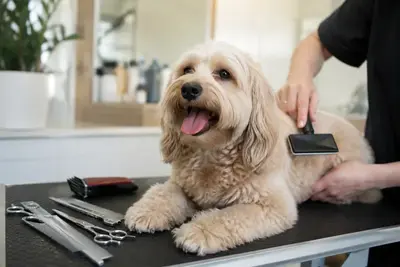
Regular brushing helps too. It removes hairs at risk of becoming ingrown and keeps the coat clean between baths.
A healthy, well-maintained coat is also better at resisting bacterial overgrowth and skin trauma in general.
Grooming sessions are also a good chance to check for lesions or skin damage that could become a problem. Catching these early means you can treat them before folliculitis has a chance to develop.
If your dog needs to be shaved for any reason, like surgery prep, watch the shaved area carefully for ingrown hairs. Gentle washing and combing of the site while the fur grows back will reduce bacterial growth in the meantime.
Regular Veterinary Visits
Regular vet visits are one of the best tools for keeping folliculitis at bay. A vet can assess whether your dog is at risk of recurrence and flag any developing conditions that might lead to it.
That kind of early awareness goes a long way toward keeping your dog comfortable and reducing the frequency of flare-ups.
Final Thoughts
Folliculitis in dogs is very common, and while it’s rarely serious on its own, the underlying cause matters more than the bumps on the surface.
Bacterial infections are the most frequent culprit, and a vet can confirm the cause with a simple skin scraping or cytology before recommending the right combination of topical and oral treatments.
Regular brushing, bathing with a skin-safe shampoo, and routine vet visits do more to prevent recurrence than any single treatment, especially for dogs with allergies or other ongoing health conditions.
If the condition keeps coming back, ask your vet about addressing the underlying trigger rather than treating each flare-up in isolation.