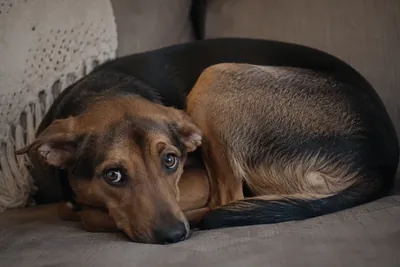
Your dog scratches nonstop and you can’t find a reason. Dust mites could be the cause you’ve been overlooking.
These pests are invisible to the naked eye. They live in furniture, carpets, and bedding, and the reaction actually comes from a protein they release, not dust itself.
Dust mite allergy is one of the most common allergies in both dogs and people. With the right approach, you can get your dog real relief.
This article covers the causes, symptoms, and how vets diagnose and treat it. Let’s start with what a dust mite actually is.
What Is a Dust Mite?
Dust mites are tiny, spider-like creatures that live in your home and trigger allergic reactions in dogs and people.
They’re not easy to eliminate entirely, but a thorough cleaning routine can knock their numbers down significantly.
When a dog develops a dust mite allergy, you’ll start seeing symptoms that can escalate to severe reactions, including difficulty breathing.
If you spot those signs, get your dog to a vet quickly to prevent the problem from getting worse.
Dogs share our homes, and keeping them healthy means staying on top of environmental triggers like these.
This article covers the causes, symptoms, and treatment of dust mite allergies in dogs.
The Two Mite Species That Affect Dogs
Vets call them house dust mites, and two species cause nearly all of the trouble. Dermatophagoides farinae and Dermatophagoides pteronyssinus are the ones allergy panels actually test for.
Dermatophagoides farinae is often called the American house dust mite. It thrives in homes across the United States and is the species dogs react to most often in allergy testing.
Dermatophagoides pteronyssinus is its European cousin, though both species happily share the same house. You’ll usually find them living together in mattresses, couch cushions, and your dog’s bed.
The allergen isn’t a bite, because dust mites don’t bite at all. The reaction comes from proteins concentrated in their droppings and shed body fragments.
Each mite produces around 20 droppings a day, and those particles stay allergenic long after the mite itself dies. That’s why a home can keep triggering reactions for months even after a deep clean knocks the live population down.
Dogs also meet these proteins differently than we do. People mostly inhale them and sneeze, while dogs absorb them through the skin, which is why the allergy shows up as itching, licking, and recurring skin problems rather than a runny nose alone.
Their close cousins, storage mites, live in dry food and grain. Many dogs allergic to house dust mites also react to storage mites, which is why vets often recommend keeping kibble in airtight containers.
One more useful clue: house dust mite allergy is a year-round condition. If your dog’s itching never takes a season off, indoor allergens like these mites belong at the top of the suspect list.
How Common Is Dust Mite Allergy in Dogs?
House dust mites sit at or near the top of nearly every list of canine environmental allergens. When vets run allergy panels on chronically itchy dogs, dust mites are among the most frequent positive results.
That makes this one of the most common allergies a dog can have, right alongside flea allergy and pollen sensitivities. It’s far more widespread than most owners realize because the trigger is invisible.
Part of the reason is simple exposure. Mites live exactly where dogs spend most of their time, so an indoor dog contacts the allergen every single day.
Most allergic dogs show their first signs young, typically between six months and three years of age. The allergy isn’t contagious, so your dog can’t pass it to other pets or to you.
Breed raises the odds, as we cover later in this guide, but no dog is automatically safe. Mixed breeds develop dust mite allergies just as readily as purebreds.
If you live somewhere humid, expect the odds to climb further. Mites absorb moisture straight from the air, so humid climates and poorly ventilated rooms support much larger populations.
1. Life Cycle And Biology Of The Dust Mites
Understanding the dust mite’s life cycle helps explain why they’re so hard to get rid of.
A female dust mite can lay 40 to 80 eggs, which hatch into larvae before passing through a nymph stage where you can first see the eight legs.
After a second nymph stage the mite reaches adulthood, still with eight legs. The whole process takes roughly one month.
Once fully mature, an adult dust mite can live for another month or more.
Dust mites feed on dead skin shed by people and animals, and they also get nutrients from things like cereals and fungi.
They prefer warm, sheltered spots, which is exactly why you find them hiding in bedding. Vets recommend airing out bedding regularly for this reason.
Humans shed skin scales every day, giving dust mites a steady food source. That continuous supply is what lets colonies persist in most homes.
The life cycle moves fast, which is why control measures in sleeping areas matter so much for dogs with this allergy.
2. How To Identify Dust Mites
Dust mites are invisible to the naked eye. You need a microscope to see them, and even then they appear translucent.
Under magnification they look oval with small hairs across the body. They have eight legs, no eyes, and no antennae, though you can see the mouth on the head.
Knowing what they look like matters because if you spot them, you can act fast rather than wonder what’s causing your dog’s symptoms.
If your dog has been scratching or showing signs of allergy, finding dust mites in the home gives you a strong clue about the trigger.
Air out bedding and carpets on a sunny day as soon as you suspect dust mites are present. Sunlight and fresh air help drive them out of fabric.
When you take your dog to the vet, mention that you found dust mites at home. That one detail can speed up the diagnosis considerably.
3. Signs And Symptoms Of Dust Mite Allergies Found In Dogs
Dust mite allergy symptoms vary between dogs, and some are easy to dismiss as something else entirely. Once you spot any of the signs below, get advice from a vet right away.
Misdiagnosis is common because the symptoms overlap with many other conditions. A dog that scratches a lot might seem like it has fleas, not an allergy.
Excess scratching can produce bald spots on the body. If you see those patches forming, it’s time for a vet visit.
Signs And Symptoms
- Red, watery eyes
- A runny nose
- Excess licking
- Sneezing
- Difficulty in breathing
- Hives
- Spots arising from scratching
Types Of Dogs That Frequently Get Dust Mite Allergies
Any dog can develop a dust mite allergy, but certain factors raise the risk, including the environment and even diet.
Dogs older than three months are generally more prone to developing dust mite allergies, though that doesn’t mean the allergy is untreatable.
The breeds and categories below are most commonly affected.
- Bulldogs
- German Shepherds
- Setters
- Dogs that are more than three months old
4. What Causes Dust Mites Allergies Found in Dogs
Dust itself isn’t the problem. The allergy is triggered by a protein released by dust mites, whether they’re alive or dead.
Almost every home has dust mites because carpets, curtains, and bedding give them exactly the warm, sheltered conditions they need.
Both live mites and their dead body parts can cause allergic reactions in dogs. A thorough, regular cleanup of those areas is the best defense.
If a dog has direct, ongoing exposure to dust mite debris, the allergy symptoms will keep appearing. Even brief contact with dead mite bodies is enough to trigger a reaction.
Dust mites themselves aren’t harmful, but the continuous exposure becomes a real problem for allergic dogs, especially those older than three months.
Stay observant, catch early signs, and get your vet involved before symptoms escalate.
5. How To Make A Diagnosis
Diagnosing dust mite allergies isn’t straightforward because the symptoms look a lot like other common conditions.
Catching them early still helps. The vet will ask you questions and run a physical exam, much like a standard checkup.
If the physical exam isn’t conclusive, the vet may take a sample and send it to a lab to confirm it’s a dust mite allergy specifically.
Intradermal Allergy Test
For skin-related allergy symptoms, a dermatology visit is often the next step.
The vet shaves a small patch on the dog’s side and injects tiny amounts of allergens to see which ones cause a reaction.
Don’t be alarmed if your dog looks groggy afterward. The sedation is brief and the procedure wraps up quickly.
Serum Allergy Testing
Serum allergy testing is typically ordered when a dog is itching and scratching heavily.
A blood sample is drawn and tested to see whether it shows reactions consistent with dust mite allergy.
A clear diagnosis from either test means the vet can target treatment directly at the cause.
6. How To Treat Dust Mite Allergies
Once the vet confirms a dust mite allergy, they’ll lay out a treatment plan suited to your dog.
Allergies in dogs are typically managed the same way they’re in people: antihistamines to reduce itching and inflammation, plus topical applications to help the skin recover.
A hypoallergenic shampoo is a good addition to support skin healing without causing further irritation.
Your vet may also prescribe antibiotics to clear any infection that developed from all the scratching and prevent it from coming back.
7. Immunotherapy Shots
Immunotherapy shots work similarly to the allergy shots used in people, and they can be effective for dogs too.
The downside is that they take longer than other medications to show results, and in some cases they don’t fully work.
Watch your dog closely after starting immunotherapy. If severe reactions appear, let your vet know so the dosing or approach can be adjusted.
Your vet decides which treatment to start with. If the allergy is severe, they’ll likely begin with antihistamines for immediate relief before considering immunotherapy as a longer-term option.
8. Relieving Dust Mite Allergy On Dogs
Preventing a recurrence means making environmental control part of your regular routine.
Air out bedding, carpets, and soft furnishings regularly. Sunlight helps drive dust mites out of fabric, so a sunny day is a good opportunity.
A vacuum cleaner is genuinely useful here. It picks up dust mite body parts as well as live mites, and since the body parts alone can trigger reactions, removing them matters.
Vacuum on whatever schedule keeps your home consistently clean. Daily is ideal, but a few times a week works well for most households.
Dogs pick up dust mite allergens through their skin, which is why vets often recommend bathing on alternate days. Use a gentle shampoo that won’t irritate sensitive skin to keep allergens low without drying the coat out.
Wash your dog’s bedding in hot water regularly to kill any mites hiding in the fabric.
9. What Can Make Your Dog’s Symptoms Worse
Letting dust mite exposure continue unchecked will make your dog’s symptoms worse. A few specific conditions accelerate that.
Poor ventilation is a real problem. Homes that don’t get enough airflow trap the warm, humid conditions that dust mites thrive in, so air your bedding out daily if humidity is high.
Shaking bedding or carpets near a dog with dust mite allergies sends allergens straight into the air the dog is breathing. That’s one of the fastest ways to trigger a flare.
Dogs spend a lot of time indoors resting on their beds, which puts them in direct contact with mites for hours at a time. Keeping that bedding clean is one of the most effective things you can do.
Dogs experience the same kind of inflammation and breathing difficulty that humans do with this allergy. Don’t wait to address it.
Keep a vet accessible for questions so you can adjust treatment quickly if symptoms start climbing.
What Kills Dust Mites Naturally?
You don’t need harsh chemicals to shrink a dust mite population. Heat, cold, dryness, and sunlight are the four natural weapons that genuinely work.
Heat is the most reliable of the four. Washing bedding in water of at least 130 degrees Fahrenheit kills mites outright, so run your dog’s bed covers and blankets through a hot cycle weekly.
A hot dryer cycle finishes off anything that survived the wash. Aim for at least 15 minutes at high heat.
Cold handles the items you can’t wash. Seal plush toys in a bag and freeze them for 24 hours, then shake them out outdoors to dump the dead mites and debris.
Dryness attacks the mites’ water supply. They never drink, they absorb humidity from the air, so a dehumidifier keeping rooms below 50 percent humidity slowly starves the whole colony.
Sunlight combines heat and drying in a single step. Hanging bedding outside on a dry, sunny day remains one of the oldest and most effective tricks there is.
Steam cleaning carpets and upholstery kills mites on contact and breaks down the allergen proteins they leave behind. A vacuum with a HEPA filter then captures the fragments a regular vacuum would blow right back into the air.
On the dog itself, nothing beats a simple bath. Regular bathing physically rinses allergen off the coat and skin, no special product required beyond a gentle dog shampoo.
Skip the essential oil sprays you’ll see recommended online. Many essential oils, including tea tree, are toxic to dogs even in small amounts, and they don’t control mites reliably anyway.
If your dog sleeps in your bed, add allergen-proof encasements to your own mattress and pillows. You’ll cut exposure for both of you at the same time.
How Is It So Far
Both dogs and people react to dust mite body parts, and the treatment approaches are similar for both.
Dust mites don’t directly harm your dog. They trigger reactions that need a vet’s attention to confirm and treat properly.
The tricky part is that dust mite symptoms closely resemble those of other conditions, so don’t try to diagnose it yourself.
Bathing your dog on alternate days with a hypoallergenic shampoo keeps allergens off the skin and helps manage the allergy long term. Stay consistent and you’ll see results.
Final Thoughts
Dust mite allergies are invisible but very real, and constant scratching, skin irritation, or ear problems without an obvious cause are often the first signs something in the environment is bothering your dog. Getting a vet diagnosis before reaching for any medication is the right move, because the right treatment depends on knowing exactly what you’re dealing with.
Once you have a plan, the daily habits at home make a big difference. Vacuuming carpets and bedding regularly, washing your dog’s bedding in hot water, and reducing humidity in the house all help keep dust mite populations down.
Bathing your dog a few times a week with a gentle shampoo can soothe irritated skin, though daily bathing can dry it out further, so finding the right frequency for your dog matters. Dust mite allergies rarely disappear completely, but with consistent management most dogs stay comfortable enough to enjoy their normal routine.
Frequently Asked Questions
Treatment starts with a vet diagnosis, then usually combines antihistamines or other anti-itch medication, regular baths with a hypoallergenic shampoo, and antibiotics if scratching caused a skin infection. For long-term control, many vets recommend immunotherapy shots that slowly desensitize your dog to the allergen.
Regular bathing with a gentle dog shampoo physically rinses mite allergens off the coat and skin. In the home, hot water washes above 130 degrees Fahrenheit, a hot dryer cycle, sunlight, freezing soft toys, steam cleaning, and keeping humidity below 50 percent all kill or remove mites without chemicals.
It's one of the most common environmental allergies in dogs. House dust mites are among the most frequent positive results on canine allergy tests, since nearly every home hosts them. Symptoms typically appear year-round rather than seasonally, and most affected dogs show their first signs between six months and three years old.
Watch for year-round scratching, paw licking, face rubbing, red or irritated skin, recurring ear infections, and symptoms that flare after your dog lies on bedding, carpet, or upholstery. Since these signs overlap with other allergies, a vet allergy test is the only way to confirm dust mites are the trigger.
There's no outright cure, but the allergy is very manageable. Immunotherapy can gradually reduce your dog's sensitivity over months of treatment, and consistent environmental control keeps symptoms low. Most dogs with a managed dust mite allergy live completely comfortable lives.