If your dog is scratching nonstop, flaking, or giving off a musty smell, that combination often points to a fungal skin problem, which plenty of owners deal with at some point.
The active ingredient is what really matters here. Antifungal shampoos with ketoconazole, miconazole, or chlorhexidine are formulated to go after problems like ringworm and yeast directly.
This article reviews ten antifungal dog shampoos, then covers what fungi are and which infections dogs are prone to. We also explain what to look for when matching a shampoo to your dog’s situation.
Let’s get into the list.
Our 10 Favorite Antifungal Dog Shampoos
Every shampoo here made the list based on active ingredients like ketoconazole, miconazole, or chlorhexidine that actually go after fungus. Gentleness was also a factor, since irritated skin doesn’t need anything harsh on top of the infection.
A few of these can help calm the itch while the coat heals. Read the labels carefully, because contact time matters more than most people realize.
Quick Comparison Chart
| # | Product | Our Rating | ||
|---|---|---|---|---|
| 1 |  |
Veterinary Formula Antiseptic & Antifungal Shampoo | ★★★★★ | Check Price |
| 2 | 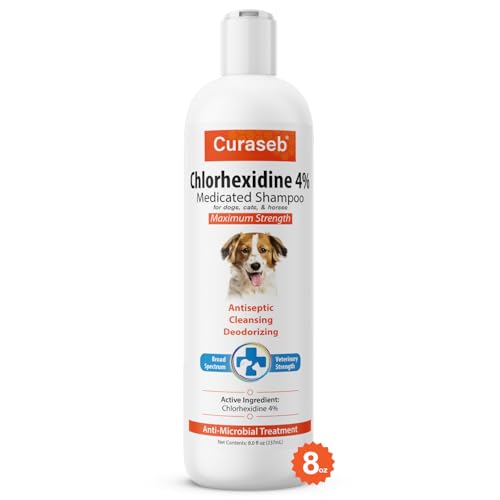 |
Curaseb Chlorhexidine Medicated Shampoo | ★★★★★ | Check Price |
| 3 |  |
Dechra Miconahex + Triz Shampoo | ★★★★★ | Check Price |
| 4 |  |
Arava Natural Medicated Dog Shampoo | ★★★★☆ | Check Price |
| 5 | 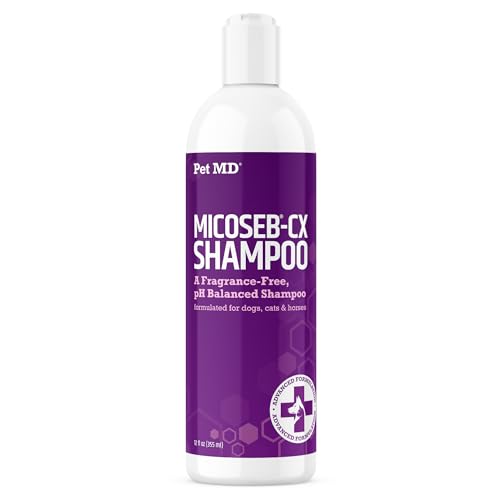 |
Pet MD Micoseb-CX Medicated Shampoo | ★★★★☆ | Check Price |
| 6 |  |
Vet's Best Medicated Oatmeal Shampoo | ★★★★☆ | Check Price |
| 7 |  |
Davis Miconazole Pet Shampoo | ★★★★☆ | Check Price |
| 8 | 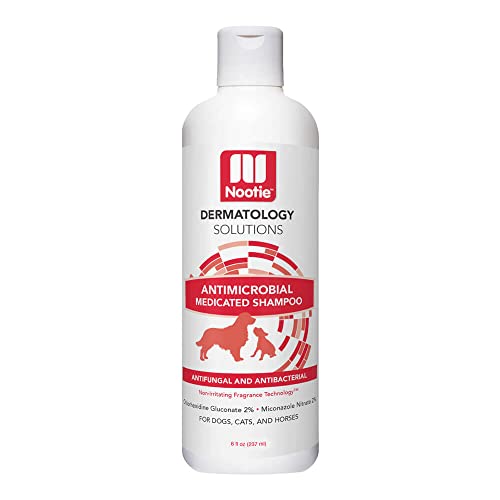 |
Nootie Medicated Pet Shampoo | ★★★★☆ | Check Price |
| 9 |  |
Truseb Ketoconazole & Chlorhexidine Shampoo | ★★★★☆ | Check Price |
| 10 |  |
VetOne KetoHex Antiseptic Shampoo | ★★★★☆ | Check Price |
1. Veterinary Formula Antiseptic & Antifungal Shampoo
A fast-acting medicated wash that soothes red, scaly, greasy, or smelly skin in dogs and cats. It's pH balanced, paraben free, and soap free for sensitive coats.
Pros
- Calms red, scaly, greasy, or smelly skin
- Works fast on environmental skin flare-ups
- pH balanced for canine skin, vet recommended
- Free of parabens, dyes, and harsh soaps
- Affordable 16 oz bottle treats many washes
Cons
- Has a strong medicinal vet-clinic scent
- Runny texture, so it takes more to lather
- Can be too strong for routine grooming
This medicated shampoo has both antiseptic and antifungal action, working quickly to help relieve greasy or waxy skin, red rashes, itch, and flaking linked to dermatitis, seborrhea, and fungal or bacterial infections.
2. Curaseb Chlorhexidine Medicated Shampoo
A vet-strength 4 percent chlorhexidine wash for hot spots, allergies, rashes, and acne. It deodorizes and soothes itchy skin with a light, pleasant scent.
Pros
- Vet-strength formula for active skin issues
- Targets hot spots, rashes, acne, and allergies
- Soothes itching and deodorizes the coat
- Safe for dogs and cats of all ages
- Made in the USA in small batches
Cons
- 8 oz bottle feels small for the price
- Chlorhexidine only, not a yeast-focused combo
- Keep away from eyes and open wounds
The Curaseb chlorhexidine shampoo earns its vet-strength label because 4 percent chlorhexidine covers a wide range of skin issues and leaves the coat smelling fresh at the same time.
3. Dechra Miconahex + Triz Shampoo
A medicated shampoo that treats fungal and bacterial skin issues on cats, dogs, and horses. Added ceramides help moisturize, repair, and restore dry, damaged skin.
Pros
- Treats fungal and bacterial skin infections
- Ceramides moisturize and restore damaged skin
- Keeps working even after you rinse it out
- Safe for cats, dogs, and horses
- Made in the USA
Cons
- Very thick, so it feels like you use a lot
- Pricey, and a few owners saw no change
- Relief can fade after four or five days
Dechra MiconaHex + Triz is worth a look if your dog’s skin is dry and damaged on top of an active infection. The added ceramides help restore moisture while the antifungal ingredients do their job.
4. Arava Natural Medicated Dog Shampoo
A natural medicated shampoo with Dead Sea minerals and 28 botanical ingredients. It's built to nurse hot spots, ringworm, scrapes, and other dermatological issues.
Pros
- Dead Sea minerals plus 28 natural ingredients
- Helps hot spots, ringworm, scrapes, and abrasions
- Cleanses deep to enrich the coat and follicles
- Botanical oils fight common skin issues
- Light, fresh scent and safe for puppies
Cons
- Doesn't lather much, so you use a lot
- Earthy medicinal smell some find strong
- Costs more than basic shampoos
Arava Natural leans on Dead Sea minerals and a non-toxic formula built around natural ingredients rather than harsh chemicals. It’s designed specifically to address dermatological conditions on dogs’ skin.
5. Pet MD Micoseb-CX Medicated Shampoo
A broad-spectrum medicated wash with miconazole and chlorhexidine for yeast, ringworm, and hot spots. Added aloe soothes and protects irritated skin.
Pros
- Targets yeast, ringworm, hot spots, and mange
- Miconazole and chlorhexidine for broad coverage
- Aloe soothes and protects sore skin
- Safe for puppies, kittens, and horses
- Made in the USA in inspected labs
Cons
- Little to no lather, takes a lot on big dogs
- Very light, fragrance-free scent
- Not FDA evaluated, and results vary
Pet MD Micoseb-CX pairs miconazole and chlorhexidine for broad-spectrum coverage of fungal and bacterial infections. Added aloe soothes sore skin while the active ingredients get to work.
6. Vet’s Best Medicated Oatmeal Shampoo
A veterinarian-formulated oatmeal shampoo with aloe vera, tea tree oil, and vitamin B5. It relieves itching, dandruff, and hot spots while calming sensitive skin.
Pros
- Soothes itching, dandruff, and hot spots
- Aloe, tea tree oil, and B5 calm sensitive skin
- Moisturizes and conditions the coat
- Works alongside Vet's Best flea treatments
- Veterinarian formulated and made in the USA
Cons
- Thin consistency rinses fast
- Bottles can arrive leaking in transit
- Limited help for very severe cases
Vet’s Best Oatmeal Medicated Shampoo uses a gentle, natural formula that’s easy on sensitive skin. It’s a solid choice for dogs dealing with dryness, itching, and irritation tied to skin allergies.
7. Davis Miconazole Pet Shampoo
A 2 percent miconazole shampoo that soothes the symptoms of fungal infections like yeast and ringworm. Colloidal oatmeal locks in moisture while it works.
Pros
- Soothes fungal infections like yeast and ringworm
- Helps clear the scaling from seborrhea
- Colloidal oatmeal locks in moisture
- Free from dyes and added fragrances
- Safe for dogs, cats, and other pets
Cons
- Needs a full 10 minutes of contact time
- Fragrance free, so no lasting scent
- Sold only in a smaller 12 oz size
Davis Miconazole uses a 2 percent miconazole formula to soothe yeast and ringworm symptoms, and it also helps clear the scaling that comes with seborrhea. Colloidal oatmeal is added to lock in moisture so the skin doesn’t dry out during treatment.
8. Nootie Medicated Pet Shampoo
A chlorhexidine medicated shampoo for ringworm, hot spots, and itchy, infected skin. It's soap free, vegan friendly, and sold in thousands of vet clinics.
Pros
- Relieves ringworm, hot spots, and bug-bite rashes
- Antiseptic action guards against microorganisms
- Soap free, cruelty free, and vegan friendly
- Sold in over 5,000 vet clinics worldwide
- Made in the USA in an FDA facility
Cons
- Small 8 oz bottle goes quickly with frequent use
- Results vary, and some saw little itch relief
- Pleasant scent but mild effect for a few dogs
Nootie Medicated is a chlorhexidine formula that focuses on disinfecting and revitalizing the coat without unnecessary additives. It’s sold in over 5,000 vet clinics worldwide and works on cats and horses too.
9. Truseb Ketoconazole & Chlorhexidine Shampoo
A vet-strength shampoo with ketoconazole and chlorhexidine and a light cucumber melon scent. Added aloe soothes irritated, itchy skin on dogs, cats, and horses.
Pros
- Ketoconazole and chlorhexidine fight skin issues
- Helps itchiness, dandruff, and seasonal allergies
- Aloe calms bothered, sensitive skin
- Light cucumber melon scent fights odor
- Made in the USA in a GMP facility
Cons
- Avoid on broken skin or near the ears
- Can irritate very sensitive skin
- Lesser-known brand than vet staples
Truseb pairs ketoconazole and chlorhexidine in a pleasantly scented formula with a light cucumber melon smell. It’s built to protect against bacteria and fungus while helping clear existing conditions like yeast, ringworm, and other skin disorders.
10. VetOne KetoHex Antiseptic Shampoo
An antiseptic wash with chlorhexidine and ketoconazole for yeast, infections, and lesions. It deep cleans, deodorizes, and relieves itching with a soft, fresh scent.
Pros
- Manages yeast, infections, and skin lesions
- Chlorhexidine and ketoconazole deep clean
- Wipes away bacteria and yeast for itch relief
- Eliminates odors from skin infections
- Safe for dogs, cats, and horses
Cons
- Needs to sit before you rinse it out
- Patch test first if irritation develops
- Vet strength, so not for routine baths
VetOne KetoHex blends chlorhexidine and ketoconazole into a vet-strength formula that deep cleans and deodorizes while targeting bacterial and fungal skin conditions. It’s safe for dogs, cats, and horses and has a pleasantly mild scent.
What is a fungus?
Fungi are spore-producing microorganisms that include yeast, molds, mushrooms, and toadstools. They feed on organic matter by digesting food outside their bodies and absorbing the nutrients directly into their cells.
Many fungi are saprobic, meaning they break down dead organic matter. They’re a crucial part of decomposition in nature.
There are countless fungal species in the environment, but only a small fraction are parasitic and capable of causing infections. The primary source of most fungal infections is soil, though fungal infections can be transmitted by ingestion, inhalation, or contact with the skin.
What is a fungal infection?
Dogs can develop many types of infections, and skin infections are among the most common. Some are bacterial, while others are fungal and can trigger hot spots, allergies, floppy ears, flea-related reactions, skin fold issues, or dry, itchy skin.
Parasitic fungi cause what are known as mycoses, which are diseases that result from a fungus invading the skin or body. These infections range from superficial to systemic and are transmitted by inhalation, ingestion, or through wounds on skin, hair, nails, or mucous membranes.
Fungi live in the air, soil, water, and plants. Many species already live naturally in and on animal bodies without causing any trouble.
Most of the time they’re harmless, but when something disrupts the balance, they can cause skin problems like rashes or bumps. Candida is a good example, specifically Candida albicans, which only becomes a problem when its population grows beyond the normal range.
Candida species can live in the throat, mouth, gut, and other areas without causing harm. Left unchecked, though, candida can grow out of control or move deeper into the body and cause serious issues.
Fungal infection symptoms
Like other microorganisms, fungi include both useful and harmful varieties. The harmful ones can be difficult to kill, since they survive in the environment and can re-infect a dog that’s been exposed before.
These are some fungal infection symptoms in dogs:
- Blisters
- Itching
- Swelling
- Redness
- Irritation
- Scaly skin
- Hot spots
- Itchy, stinky feet
- Food sensitivities
What kills fungus microorganisms?
Fungus thrives in warm, moist environments, which is why fungal infections tend to spike in summer. Dogs with long coats that spend a lot of time in the water are especially at risk if they aren’t dried and cleaned thoroughly afterward.
Coconut oil is one of the more well-known natural options for fighting yeast infections. Whether applied topically or added to food, it has documented properties that help combat candida and other harmful microorganisms without disrupting beneficial bacteria.
Diet also plays a role when a dog is dealing with an active infection. Proper nutrition paired with antifungal herbs or supplements can support the immune system and help it maintain healthy bacterial balance.
Yeast overgrowth often traces back to an imbalance in the gut. Restoring that balance with prebiotics can help the body keep harmful organisms from taking hold again.
What are the fungal infections in dogs?
Dogs that spend a lot of time outdoors face a wider range of fungal exposure. Some parasitic fungi require a weakened immune system to take hold, while others can infect otherwise healthy dogs.
Immune systems can be compromised by stress, viral infections, poor nutrition, cancer, or drugs like steroids. Prolonged use of antimicrobial or immunosuppressive medications also raises the risk of fungal infection.
The infection may stay localized on one part of the body or spread more broadly. Some fungal infections are serious and can be fatal if not treated early.
Here are the most common fungal infections in dogs and what to know about each one.
Cryptococcosis
Cryptococcus is caused by a yeast-like fungus that dogs pick up by inhaling spores from contaminated soil, most often soil with bird droppings. Pigeon droppings are a common source, and the spores are found worldwide.
It’s a multisystemic disease that can affect the respiratory tract, brain, eyes, lymph nodes, and skin. The infection typically starts in the nasal passages and lungs before spreading to the central nervous system and eyes.
Dogs with compromised immune systems are at the greatest risk for developing cryptococcosis.
Signs of Cryptococcosis in dogs
Central nervous system signs:
- Circling and seizures
- Poor coordination
- Paralysis of the facial nerve leading to inability to blink
- Back-and-forth eye movements (nystagmus)
- Head tilt
Eye problems:
- Bleeding in the retina
- Inflammation of the eye
Other symptoms of cryptococcosis in dogs:
- Gastrointestinal tract
- Prostate
- Liver
- Spleen
- Heart
- Adrenal glands
- Pancreas
- Bone
- Problems with the kidneys
- Muscles
- Thyroid
- Lymph nodes
- Tonsils
Aspergillosis
Aspergillosis is a respiratory fungal infection that starts in a dog’s nasal cavity and sinuses after the spores are inhaled. It can progress into a disseminated form that spreads beyond the nasal area to other parts of the body.
The infection is found worldwide and affects many domestic and wild animals. Certain breeds like the German shepherd are more prone to it, and dogs with moderate to long snouts are most commonly affected since the fungus spreads through the air.
Most dogs with disseminated Aspergillosis are severely ill, and the prognosis for recovery is poor. A small number respond to antifungal therapy, but relapse after treatment is common, and the disseminated form is often fatal even in dogs that initially respond well.
Signs of Aspergillosis in dogs:
- Loss of appetite
- Pain in the nasal area
- Long-term nasal discharge that may contain mucus or blood
- Swelling of the nasal area
- Sneezing
Other symptoms of Aspergillosis in dogs:
- Anorexia
- Vomiting
- Spinal pain
- Lameness
- Fever
- Weight loss
Coccidioidomycosis (Valley fever)
Coccidioidomycosis is a noncontagious infection spread by wind and dust particles. The fungus lives in soil in the desert regions of the southwestern United States, the valleys of southern California, Mexico, and parts of Central and South America.
It tends to spread after rainy periods followed by droughts and dust storms. This is a chronic respiratory disease, but it can also affect the eyes, joints, and bones.
Many dogs exposed to the spores fight off the infection without ever showing signs. Symptoms vary widely depending on how severe the infection is and which organs are involved.
Signs of Coccidioidomycosis in dogs:
- Poor appetite
- Have a persistent cough
- Fever
- Skin that has ulcers
- General ill health and malnutrition
- Lameness
- Intermittent diarrhea
- Enlarged joints
Yeast infections and Candidiasis
Yeast is a fungus that naturally lives on and inside dogs without causing harm most of the time. It’s always present on the skin and in the gut, and a healthy immune system keeps it under control.
If a dog’s immune system is weakened by allergies or illness, the normal yeast on the skin can overpopulate. The body then tries to bring yeast levels back to normal, which is what triggers the visible symptoms of a yeast infection.
Because the immune system is already compromised, the dog can’t clear the overgrowth on its own. Risk factors that can tip the balance include humid weather, skin folds, bacterial infection, and medications like antibiotics or corticosteroids.
Candida albicans
Candida albicans is classified as both a yeast and a fungus, and it causes candidiasis, a localized infection that can affect the skin, mucous membranes, and the gastrointestinal tract. It’s often an underlying driver of ear infections, digestive issues, and skin problems.
Dogs that have been on antibiotics face a higher risk, since antibiotics kill the beneficial bacteria that normally keep Candida albicans in check. An imbalanced diet, environmental stress, or other disruptions to the dog’s system can also open the door to overgrowth.
Signs of Candidiasis in dogs:
- Hot spots
- Itchy, stinky feet
- Infected ears
- Food sensitivities
- Itchy skin
- Red, moist skin
Other symptoms of Candidiasis in dogs:
- Chewing or licking the feet
- Diarrhea
- Hair loss on the tail and upper back
- Grayish or rust color around the genitals
- Black skin (often with hair loss)
- Dark rusty-red hair between the toes
- Bad smell and greasy hair
How to prevent candida infection in your dog?
- You should avoid feeding your dog foods that contain grain-based or high-carb pet foods
- Giving your canine friend antibiotics only when they’re vitally necessary. Avoid giving it antibiotics for minor infections
- Detoxify the dog’s body with diet and supplements that can starve or destroy candida
- Because candida infections are challenging to eliminate if they aren’t dealt with appropriately, they can persevere and grow again
- You need to re-establish the balance of the dog’s gut microbiome with proper probiotic supplements
Final Thoughts
Fungal skin problems tend to linger if the shampoo you’re using doesn’t target the right organism, and contact time is just as important as the formula. Veterinary Formula Antiseptic and Antifungal Shampoo leads our list because it handles a broad range of infections at an affordable price, and its pH-balanced formula is gentle enough to use without damaging an already compromised coat.
If your dog’s issue involves both bacterial and fungal components, a formula that pairs chlorhexidine with ketoconazole or miconazole handles both and saves you from needing two separate products.
Whatever you choose, let it sit for about ten minutes before rinsing since that contact time is what allows the antifungal agents to do their work.
Give any new shampoo several weeks of consistent use before drawing conclusions, and loop in your vet if the irritation doesn’t improve or keeps coming back.