
Is your dog straining to pee or having accidents at home? Urinary trouble is uncomfortable for them and worrying for you.
The hard part is that dogs can’t tell us what hurts. Problems like infections or stones can go unnoticed until they turn serious.
This article covers foods made for urinary care and the issues they address, from UTIs to kidney stones and incontinence. It also covers supplements and the warning signs to watch for.
Diet is only part of the picture, so a vet should weigh in. Let’s start with the options.
10 Urinary Care Foods Built Around Common Bladder Issues
Each food here is built around specific urinary problems, from kidney stones to infections. Several control minerals like phosphorus and calcium that contribute to stone formation.
A few are wet diets for dogs that have gone off dry food. Others may help support urine flow, though your vet should confirm what fits your dog.
Quick Comparison Chart
| # | Product | Our Rating | ||
|---|---|---|---|---|
| 1 |  |
Purina Pro Plan UR Urinary Ox/St | ★★★★★ | Check Price |
| 2 |  |
Royal Canin Veterinary Diet Urinary SO | ★★★★★ | Check Price |
| 3 |  |
Hill's Science Diet Adult 7+ Chicken and Rice | ★★★★☆ | Check Price |
| 4 |  |
Blue Buffalo Natural Veterinary Diet KS Kidney Support | ★★★★☆ | Check Price |
| 5 |  |
Dave's Pet Food Restricted Bland Diet | ★★★★☆ | Check Price |
| 6 |  |
Hill's Prescription Diet u/d Urinary Care | ★★★★☆ | Check Price |
| 7 | 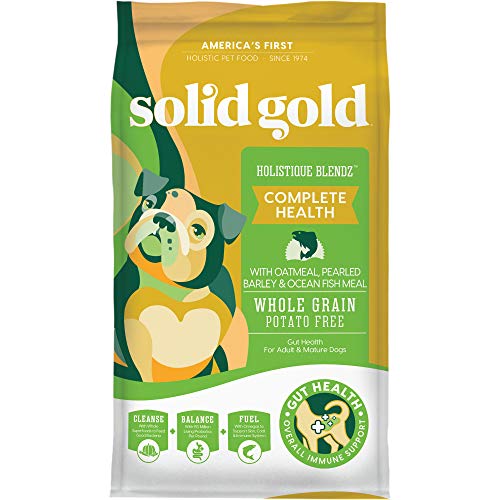 |
Solid Gold Holistique Blendz | ★★★★☆ | Check Price |
| 8 | 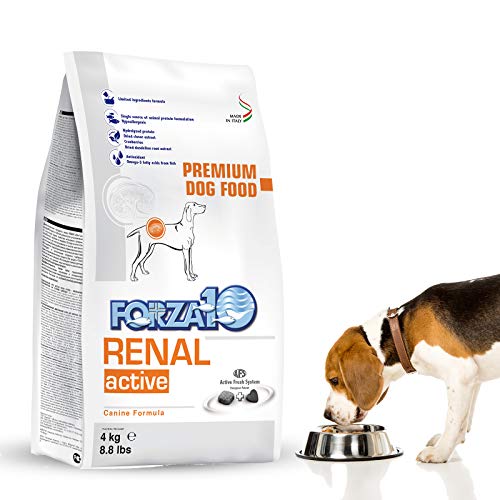 |
Forza10 Kidney Renal Care Dry Dog Food | ★★★★☆ | Check Price |
| 9 | 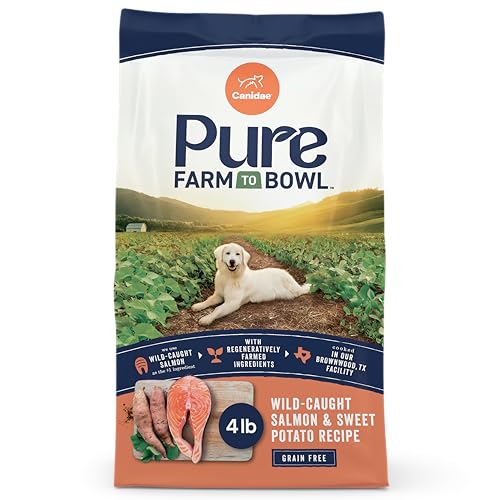 |
Canidae Pure Salmon and Sweet Potato | ★★★★☆ | Check Price |
| 10 |  |
Purina Pro Plan NF Kidney Function | ★★★★☆ | Check Price |
1. Purina Pro Plan UR Urinary Ox/St
A veterinary-exclusive dry food that dissolves sterile struvite stones and creates an environment unfavorable to both struvite and calcium oxalate crystal formation. High-quality protein and antioxidants round out the formula.
Pros
- Clinically shown to dissolve sterile struvite stones
- Lowers risk of both struvite and calcium oxalate recurrence
- High-quality protein for muscle maintenance
- Antioxidants support immune health
- Veterinarian prescribed and trusted
Cons
- Requires a vet prescription to purchase
- Some dogs experience loose stools during transition
- Higher cost than standard urinary foods
Purina is one of the most recognized names in veterinary nutrition, with a wide range of products targeting urinary issues specifically.
This formula earns the top spot because it directly addresses kidney stones, the most painful and serious end of the urinary spectrum.
If your dog is straining to urinate or you’re seeing blood in the urine, those are signs that bladder or kidney stones may already be present. Purina UR Ox/St is formulated to stop new stone formation and help dissolve existing ones.
2. Royal Canin Veterinary Diet Urinary SO
A vet-exclusive dry food that uses an exclusive S/O Index to lower the risk of struvite and calcium oxalate crystal formation. It also increases urine volume to help flush the urinary tract.
Pros
- Clinically tested S/O Index for crystal prevention
- Increases urine volume to dilute minerals
- Controlled calcium and phosphorus levels
- Omega-3 fatty acids reduce urinary tract inflammation
- Available in dry and wet forms
Cons
- Requires a vet prescription
- Some dogs experience constipation on this diet
- Very expensive compared to over-the-counter options
Royal Canin is a well-established name in veterinary diets, and the Urinary SO formula is one of their most prescribed options.
It limits protein and minerals to reduce the conditions that allow stones to form, and it’s also designed to increase urine volume, which helps flush crystals before they can grow. That makes it a strong choice for dogs actively dealing with an infection or crystal buildup.
The omega-3 content adds another layer by helping control inflammation in the urinary tract.
3. Hill’s Science Diet Adult 7+ Chicken and Rice
A senior dry food with balanced minerals and antioxidants that support heart, kidney, and bladder health in dogs aged 7 and older. Natural ingredients and lean protein help maintain muscle.
Pros
- Antioxidants support healthy heart, kidneys, and bladder
- Controlled mineral levels reduce urinary strain
- High-quality protein maintains lean muscle
- Made with natural ingredients in the USA
- Widely recommended by veterinarians
Cons
- Below-average protein level for some active senior dogs
- Formula changes have occasionally caused digestive upset
- Price has increased significantly in recent years
Hill’s Science Diet has been around since the 1930s and carries a lot of trust among veterinarians, particularly for senior health concerns.
This formula is built for dogs aged 7 and older, with well-balanced minerals and nutrients that don’t put unnecessary strain on aging organs. The composition is designed to be light on the heart and kidneys, and it includes ingredients that support easier digestion.
For older dogs starting to show urinary issues, this is a practical and widely recommended starting point.
4. Blue Buffalo Natural Veterinary Diet KS Kidney Support
A prescription dry food with controlled protein, phosphorus, and sodium to ease kidney workload. Real chicken leads the recipe and it skips corn, wheat, soy, and artificial additives.
Pros
- Controlled protein and phosphorus reduce kidney workload
- Starts with high-quality real chicken
- No corn, wheat, soy, or artificial flavors
- Vitamins and minerals support overall kidney health
- Natural ingredients without poultry by-product meals
Cons
- Requires a vet prescription
- Large, hard kibble pieces can be difficult for small dogs
- Some dogs refuse to eat it initially
Blue Buffalo’s kidney support formula addresses a key problem with many standard diets: since a high protein diet causes kidney stones, this food keeps protein, calcium, and other minerals at controlled levels.
Easing that mineral load takes pressure off the kidneys and gives the body a better chance to manage or recover from any infection or damage that’s already present.
5. Dave’s Pet Food Restricted Bland Diet
A simple canned chicken and rice wet food designed for sensitive stomachs. Wheat gluten-free and easy to digest, it's a solid choice for dogs that have gone off dry food during a health issue.
Pros
- Wet format appeals to dogs with low appetite
- Wheat gluten-free for sensitive stomachs
- Simple, easy-to-digest ingredient list
- Affordable price per can
- Made in the USA
Cons
- Not a complete long-term therapeutic diet on its own
- Some cans have arrived dented from the manufacturer
- A few dogs developed loose stools during initial feeding
Dave’s Pet Foods is an American company known for keeping prices reasonable across a wide product lineup.
This restricted bland diet stands out from the others on this list because it comes in wet food form, and it’s wheat gluten-free. That combination works well for dogs that have lost interest in dry kibble during a health issue, or those whose stomachs need a gentler approach.
6. Hill’s Prescription Diet u/d Urinary Care
A prescription dry food that reduces urate and cystine stone formation by controlling high-quality protein and purine levels. Taurine, L-carnitine, and antioxidants provide additional heart and immune support.
Pros
- Specifically targets urate and cystine stone formation
- Controlled purines and high-quality digestible protein
- Taurine and L-carnitine support heart health
- Vitamin E and beta carotene for immune support
- Formulated by Hill's vets and nutritionists
Cons
- Requires a vet prescription
- Some owners report a strong odor in newer batches
- Contains synthetic additives that concern some owners
Hill’s Prescription Diet u/d is part of Hill’s prescription line and is a bit more specialized than their over-the-counter formulas.
It’s focused mainly on urate and cystine stone formation, targeting a different stone type than most urinary diets. It also handles the nutritional management of kidney disease in the urinary tract more broadly.
The low sodium levels are a practical bonus, helping keep blood pressure in check alongside the urinary benefits.
7. Solid Gold Holistique Blendz
A whole-grain dry food for adult and senior dogs combining ocean fish meal, oatmeal, and pearled barley. Fiber-rich probiotics and a 20-superfood blend support gut health and immunity.
Pros
- Ocean fish meal provides protein and healthy fats
- Oatmeal and barley support healthy digestion
- Living probiotics improve gut function
- No corn, wheat, or soy fillers
- Over 40 years of holistic pet nutrition experience
Cons
- High carbohydrate level may not suit all dogs
- Some dogs experience diarrhea during the transition period
- A few dogs show little interest in this flavor
Solid Gold’s Holistique Blendz pulls together whole grains, pearled barley, oatmeal, and ocean fish meal into a formula aimed at adult and senior dogs.
It’s not a prescription therapeutic diet, but it supports general health well, particularly gut function. The fiber-rich probiotics help with bowel regularity and immunity, which matters for older dogs dealing with multiple health concerns at once.
8. Forza10 Kidney Renal Care Dry Dog Food
A vet-formulated dry food using Icelandic anchovy and therapeutic plants to support dogs with kidney and cardiac conditions. Corn, wheat, and soy free with no GMOs or artificial preservatives.
Pros
- Low phosphorus formula tailored for kidney support
- Hydrolyzed Icelandic anchovy protein is easy to digest
- Omega-3 fatty acids help manage kidney inflammation
- Free from corn, wheat, soy, GMOs, and artificial additives
- Gentle on sensitive stomachs
Cons
- Some dogs refuse the anchovy flavor entirely
- Premium price point compared to standard renal diets
- Occasional digestive upset during transition
Forza10 uses hydrolyzed Icelandic anchovy as its protein source, a less common choice that makes the food easier to digest, especially for dogs with sensitive stomachs.
The formula is also designed to support heart and kidney function together, which is useful since those two systems are closely connected. Corn, wheat, and soy are left out entirely because they can interfere with protein digestion and add unnecessary strain.
9. Canidae Pure Salmon and Sweet Potato
A limited-ingredient dry food built around wild-caught salmon and sweet potato for dogs with sensitivities. Probiotics, antioxidants, and omega-3 fatty acids support digestion, immunity, and coat health.
Pros
- Wild-caught salmon delivers omega-3 fatty acids
- Ten or fewer key ingredients limit potential irritants
- Probiotics and antioxidants support immunity and digestion
- Free from corn, grain, wheat, soy, and artificial additives
- Regeneratively farmed ingredients from trusted suppliers
Cons
- Strong fishy smell that some owners find unpleasant
- A few dogs experience gas and loose stools from sweet potato
- Price has increased notably in recent years
Canidae Pure keeps the ingredient list short, staying at or below 10 real-food components. Wild-caught salmon provides single-source protein and a natural supply of omega-3 and 6 fatty acids.
Soy and wheat are left out to keep the food easy on the stomach. Probiotics and antioxidants are added to support digestion and immunity, rounding out a formula that works well for dogs with sensitivities.
10. Purina Pro Plan NF Kidney Function
A prescription dry food with restricted high-quality protein and phosphorus to nutritionally manage dogs with kidney conditions. Energy-dense to help dogs in kidney disease maintain body weight.
Pros
- Restricted protein and phosphorus ease kidney workload
- Energy-dense to help dogs maintain healthy weight
- B-complex vitamins support nutrient breakdown
- Antioxidants support immune function
- Palatable formula accepted by most dogs
Cons
- Requires a vet prescription
- Large kibble pieces are hard for small-breed dogs
- Some dogs develop allergy symptoms including itching
Kidney disease can hit hard, bringing on diarrhea, vomiting, lost appetite, and noticeable behavior changes all at once.
Purina Pro Plan NF is formulated to address that directly, managing kidney conditions nutritionally and helping slow progression. The restricted protein and phosphorus take pressure off the kidneys, and the energy-dense formula helps dogs maintain body weight when appetite is reduced.
B-complex vitamins are included to support nutrient breakdown, which is often compromised in dogs with kidney disease.
Food Supplements
Beyond the dry and wet foods listed above, supplements are worth considering, especially for dogs that resist switching diets.
Some dogs just won’t budge from their regular food, and forcing a full diet change can create its own problems. Most of these supplements can be stirred into whatever they’re already eating, which makes compliance a lot easier.
A few worth looking at are listed below.
Coco And Luna’s Cranberry For Dogs
Coco and Luna’s supplement is built around cranberry extract, which has a long history as a natural support for urinary tract health and bladder problems.
The company backs it with a 100% buyback policy if you’re not satisfied, and it’s well-reviewed by users who’ve tried it alongside a therapeutic diet.
Uromaxx Formula
Uromaxx comes in liquid form, so it can be given directly by mouth or mixed into food. That flexibility is useful for dogs that won’t take tablets or chews.
The formula skips starch, wheat, soy, and sugar to keep it easy on the digestive system.
Zesty Paws Cranberry Bladder Bites
Zesty Paws Cranberry Bladder Bites are well-reviewed and deliver 200 mg of Cran-Max per bite, which is a cranberry concentrate patented with Bio-shield technology.
The goal is to help the body clear out toxins that accumulate in the kidney or bladder. Reducing that buildup lowers the risk of infection and makes stone formation less likely.
Solid Gold Berry Balance Supplement
Solid Gold Berry Balance combines cranberry and blueberry extracts to support kidney and bladder health. The soft chews are designed to help prevent crystal formation in the bladder and strengthen the urinary tract overall.
They’re soft enough for most dogs to enjoy, and they can be added directly to food if your dog won’t take them as a treat.
Common Urinary Problems
Dogs rarely signal discomfort clearly, so knowing what to look for makes a real difference. The most common urinary problems are urinary tract infection (UTI), bladder or kidney stones, kidney disease, and urinary incontinence.
Urinary Tract Infections
UTIs develop when the immune system is weakened by poor nutrition and bacteria from fecal matter or dirt enter through the urethra. E.coli is the most common culprit.
Don’t brush off a UTI. Left untreated, they can progress to serious conditions, including early-stage bladder cancer.
A basic urine analysis can confirm an infection quickly if you’re unsure.
Inflammation caused by the infection also makes urination more painful and difficult for your dog.
The Symptoms Of UTI
- Blood in the urine or foul smell
- Excessive licking of the urinary area
- Difficulty in urination
Kidney Stones
Kidney stones are largely a diet problem. Minerals like magnesium, calcium, and phosphorus are necessary, but too much of any of them can leave residue that builds up into stones in the kidney or bladder.
The two most common types in dogs are struvite and calcium oxalate. Both tend to form when urine loses its normal acidity, usually from diets high in protein and minerals.
Once that acidic balance is off, the body struggles to break down stone formations on its own.
The Symptoms Of Kidney Stones
- Cloudy or bloody urine
- Prolonged periods of squatting
- Vomiting or loss of appetite
Kidney Diseases
Kidney disease is common in dogs, but catching it early gives you real options for managing it.
Diet is a major factor here too. A high intake of protein or phosphorus-rich food can speed up the progression of kidney disease.
The frustrating part is that obvious symptoms often don’t appear until the kidneys have already lost much of their function, which is why regular checkups matter.
The Symptoms Of Kidney Disease
- Lack of energy
- Increased thirst and urination
- Weight loss
- Vomiting and diarrhea
Urinary Incontinence
Incontinence means your dog has lost control over their bladder. You’ll notice leaking, accidents around the house, and your dog wetting the area where they sleep.
The most common cause is the sphincter muscle weakening with age, but congenital issues, hormonal imbalances, and stress can also play a role.
The Symptoms Of Urinary Incontinence
- Excessive urination
- Skin inflammation around the genital area
- Frequent urinary tract infections
These are the most common urinary problems dogs face, and none of them are a dead end. There are foods on this list built specifically for each one.
Work with your vet to identify which condition you’re dealing with, then match that to the product designed for it.
Useful Information
Most urinary problems are either preventable or manageable when caught early. A well-balanced diet, regular vet checkups, and consistent exercise are the foundation.
For the issues that can’t be fully prevented, paying attention to your dog’s behavior is your best early warning system. Dogs can’t tell you something’s wrong, but they do show it.
Changes in energy, appetite, or bathroom habits all mean something.
Each condition covered above comes with its own set of symptoms. Knowing those signs means you’re more likely to catch a problem before it becomes serious.
Age is also a factor. Urinary infections and incontinence become more common as dogs get older, often showing up somewhere between age 7 and 11.
Take Into Consideration
Incontinence is largely due to the sphincter muscle losing strength with age, and it’s important to stay patient when your dog starts having accidents. They aren’t doing it on purpose.
The smell can be frustrating to deal with, but for older dogs it’s often unavoidable.
Breed also plays a role. Inbreeding to reinforce certain physical traits can compromise a dog’s genetic makeup, and some breeds carry a higher baseline risk for urinary and kidney problems.
Breeds like the Beagle, Scottish Terrier, American Eskimo Dog, and Border Collie show up more often in this category. The exact reasons aren’t fully understood, but studies point to obesity among other contributing factors, and research into the root causes is ongoing.
Certain structural issues are common in specific breeds too. Pugs and similar short-snouted dogs often develop breathing conditions early, while other breeds are prone to eye defects, weak bone structures, hip dysplasia, and heart conditions.
Lifestyle
Lifestyle has a real impact on urinary health. Too much protein-rich food combined with little physical activity can directly contribute to kidney and heart conditions.
Regular walks and outdoor time help on multiple levels. Studies suggest dogs that spend more time outdoors are less prone to depression, and mental health connects to physical health more closely than people often realize.
Stress and unhappiness are genuine risk factors for several of the conditions covered here.
Some dogs stop eating altogether when something is mentally off, which can make underlying health problems harder to manage.
Final Thoughts
Urinary issues in dogs can quietly worsen before an owner notices anything is wrong, which is why getting the right food in place early matters. Whether the problem is recurring crystals, kidney strain, or a first UTI, diet plays a meaningful role in how well the urinary tract handles stress.
Purina Pro Plan UR Urinary Ox/St is the top pick here because it’s clinically tested to dissolve struvite stones and reduce the risk of both struvite and calcium oxalate recurrence, covering the two most common stone types in one formula. Most of the prescription options on this list require a vet’s sign-off to purchase, which is actually a feature rather than a drawback because it ensures the formula is matched to your dog’s specific diagnosis.
If your dog hasn’t yet been evaluated, that first vet visit is the most important step before investing in any therapeutic diet. A urinalysis and possibly imaging will tell you which stone type or condition you’re dealing with, and that shapes which product is the right fit.
The non-prescription picks further down the list are good for long-term maintenance and prevention once the acute issue has been addressed.