Baking your dog’s treats is genuinely fun, but the flour you reach for matters more than most people think.
Not every flour agrees with dogs. Some trigger allergies or upset stomachs, so it’s worth checking what you’re working with before you preheat the oven.
The right choice keeps treats gentle even for sensitive dogs. Options like Anthony’s chickpea flour are gluten-free and rich in fiber.
This guide covers ten flours for dog treats. Let’s get baking.
Quick Comparison Chart
| # | Product | Our Rating | ||
|---|---|---|---|---|
| 1 |  |
Wellbee's Super Fine Blanched Almond Flour | ★★★★★ | Check Price |
| 2 |  |
LiveKuna Organic Quinoa Flour | ★★★★☆ | Check Price |
| 3 | 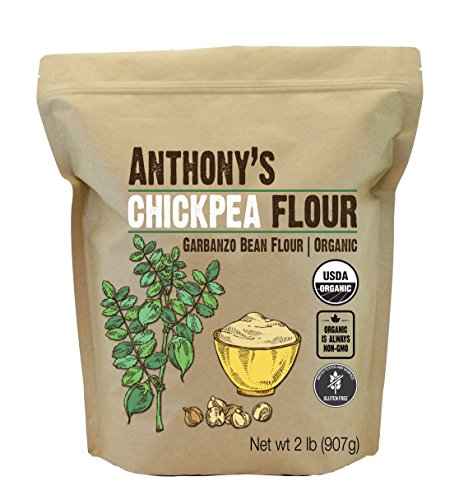 |
Anthony's Organic Chickpea Flour | ★★★★☆ | Check Price |
| 4 |  |
Kirkland Signature Almond Flour Blanched | ★★★★☆ | Check Price |
| 5 |  |
Bob's Red Mill Unbleached White All-Purpose Flour | ★★★★☆ | Check Price |
| 6 |  |
Authentic Foods Sorghum Flour Superfine | ★★★★☆ | Check Price |
| 7 |  |
Authentic Foods Superfine Brown Rice Flour | ★★★★☆ | Check Price |
| 8 |  |
Molino Grassi Organic Italian Soft Wheat Flour | ★★★★☆ | Check Price |
| 9 |  |
Bob's Red Mill Gluten Free White Rice Flour | ★★★★☆ | Check Price |
| 10 | 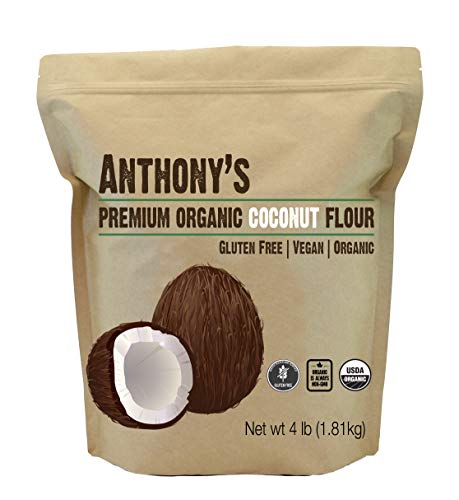 |
Anthony's Premium Coconut Flour | ★★★★☆ | Check Price |
1. Wellbee’s Super Fine Blanched Almond Flour
A super fine, blanched almond flour that's naturally gluten-free and low in carbs. It bakes tender, nutritious dog treats rich in vitamin E and plant protein.
Pros
- Super fine grind with no clumps
- Rich in vitamin E and magnesium
- Low carb and high in plant protein
- No preservatives or cholesterol
- Easy to store in a sealed container
Cons
- Pricier than wheat flour
- Not for dogs with nut allergies
- Bakes denser than wheat flour
Wellbee’s lives up to its billing. It’s genuinely super fine, with the almond skins removed, so you get a smooth, clump-free texture that’s easy to work with.
It’s low in carbs and high in plant-based protein, and it contains no cholesterol, which makes it a solid choice if you want treats that are easy to digest.
Like most Wellbee products, this flour is 100% gluten-free and free of preservatives. That means you know exactly what’s going into every batch.
Almond flour is particularly rich in vitamin E, which acts as an antioxidant. It bakes into tender, dense cookies that hold together well.
It gives your recipes the right consistency and structure. Don’t be surprised if you want to eat one yourself.
2. LiveKuna Organic Quinoa Flour
Organic white quinoa flour from Ecuador, packed with fiber, protein, and minerals. A light, nutrient-dense alternative to wheat for homemade dog biscuits.
Pros
- Organic white quinoa from Ecuador
- High in fiber, protein, and omega-3s
- Rich in zinc, iron, and magnesium
- Resealable zip-top bag
- Steady energy without blood sugar spikes
Cons
- Mild bitter note if underbaked
- Costs more than rice flour
- Light binding, best blended
Yes, quinoa is safe for dogs, and LiveKuna’s version is sourced from organic white quinoa grown in Ecuador.
It’s a genuinely good alternative to wheat flour. It’s high in fiber and protein, without the heaviness you get from nut flours, making it a lighter option for treats and biscuits.
Quinoa is also a source of complex carbohydrates, which provide steady energy without spiking your dog’s blood sugar. That’s a real practical benefit for everyday treats.
The nutrition profile here is solid, with zinc, iron, magnesium, and omega-3s all present. If your dog hasn’t had quinoa before, it’s a worthwhile addition to the rotation.
3. Anthony’s Organic Chickpea Flour
Organic garbanzo bean flour that's gluten-free, high in fiber, and great for binding. It adds a mild, rich flavor to baked dog treats.
Pros
- Organic, non-GMO, and vegan
- High in protein and fiber
- Low on the glycemic index
- Binds well in gluten-free recipes
- Rich in magnesium and potassium
Cons
- Dense, heavy texture
- Distinct bean taste
- Best blended with other flours
Chickpea flour, also labeled garbanzo flour, is made from white chickpeas. Anthony’s version is organic, non-GMO, and vegan, making it a solid pick for gluten-free treats.
It’s naturally dense with good binding, so it holds recipes together well without wheat. You can blend it with other gluten-free flours to lighten the texture a bit.
It’s high in protein, fiber, and iron, which puts it ahead of common alternatives like white rice flour or potato flour that tend to offer mostly empty calories.
Anthony’s chickpea flour is also rich in magnesium and potassium, both of which support heart health in dogs. It’s a genuinely nutritious base for homemade treats.
4. Kirkland Signature Almond Flour Blanched
California superfine blanched almond flour at a great bulk price. Low in carbs and easy to bake with for gluten-free dog cookies.
Pros
- California superfine texture
- Excellent bulk value
- Low in carbs, high in vitamin E
- Mild, less nutty flavor
- Resealable pack stays fresh
Cons
- Slightly grainy texture
- Not for nut-allergic dogs
- Sold in bulk only
Kirkland’s blanched almond flour is the practical choice if you go through a lot of flour. The price per ounce is hard to beat for a California superfine grind, and the resealable pack keeps it fresh between uses.
It’s superfine and handles well, making it an easy drop-in replacement if you’ve been baking with white flour. It’s a bit grainy on its own, so adding a splash of almond milk can help the texture in your treats.
Low in carbs and high in vitamin E, it bakes well in gluten-free biscuit recipes. The flavor is mild and less nutty than some other almond flours, which most dogs don’t mind at all.
5. Bob’s Red Mill Unbleached White All-Purpose Flour
America's favorite unbleached all-purpose flour, non-GMO and additive-free. A versatile pick for classic dog biscuits if your dog tolerates wheat.
Pros
- Versatile for all baked goods
- Unbleached and aged naturally
- Made from non-GMO seeds
- Enriched with vitamins and minerals
- Easily digested simple starches
Cons
- Contains wheat and gluten
- Not for wheat-sensitive dogs
- Lower fiber than alternatives
If your dog tolerates wheat, Bob’s Red Mill Unbleached AP is a dependable choice. It hasn’t been chemically treated to soften or whiten, and it’s milled from identity-preserved, non-GMO seeds.
The texture is soft and mixes well with other flours. It contains no preservatives, just wheat flour, malted barley flour, and enrichment vitamins like niacin, iron, thiamin, and folic acid.
Treats baked with it contain simple starches that are easily digested, and pairing it with flavors like pumpkin or peanut butter tends to go over well. Just skip it entirely if your dog is sensitive to wheat.
You can also combine it with whole wheat flour if you want to bake a denser treat or even a loaf of bread for yourself alongside a dog-friendly batch.
6. Authentic Foods Sorghum Flour Superfine
A superfine, 100 percent gluten-free sorghum flour milled in a dedicated facility. Mild and lightly sweet, it blends well with other gluten-free flours.
Pros
- Milled in a gluten-free facility
- Dairy, nut, corn, and soy free
- Rich in B vitamins and potassium
- Mild, lightly sweet flavor
- Blends well with other flours
Cons
- Needs blending for structure
- Harder to find in stores
- Can be gritty used alone
Authentic Foods mills this sorghum flour in a dedicated gluten-free facility, so cross-contamination isn’t a concern. It’s also dairy-free, nut-free, corn-free, and soy-free, which covers a lot of common allergens at once.
On its own, sorghum flour can be a little gritty, so it works best blended with another gluten-free flour. Mix it with rice or oat flour and you’ll get a much more balanced texture in baked treats.
It’s rich in B vitamins and potassium, and has a mild, lightly sweet flavor that pairs naturally with most dog treat recipes. Sorghum is one of the world’s most important cereal crops, and for dogs with multiple sensitivities, it’s one of the more practical options on this list.
7. Authentic Foods Superfine Brown Rice Flour
Silky superfine brown rice flour that bakes crisp without grit. Rich in minerals and fiber, and great mixed into gluten-free treat recipes.
Pros
- Silky superfine texture
- More minerals than white rice flour
- Gluten and dairy free
- Bakes crisp without grit
- Supports healthy digestion
Cons
- Best mixed with other flours
- Short shelf life once opened
- Gritty if used alone
Authentic Foods grinds this to a genuinely superfine texture, which makes a noticeable difference. It bakes crisp without that gritty bite you sometimes get from lower-quality rice flours.
Brown rice flour holds more minerals and dietary fiber than white rice flour, and it’s less processed overall. It’s also gluten-free and dairy-free, so it’s a safe everyday option for most dogs.
Like sorghum flour, it performs best when mixed with other gluten-free flours. Blending it with oat flour or something similar lightens the mixture and gives you a better bake.
Try adding pumpkin to the recipe if you want to give it a little extra appeal.
Once opened, store it in the fridge or freezer to extend the shelf life. Brown rice is also widely noted for supporting healthy digestion and helping dogs with skin sensitivities.
8. Molino Grassi Organic Italian Soft Wheat Flour
Organic Italian 00 soft wheat flour with low gluten for delicate, crispy cookies. Unbleached and free of GMOs and pesticides.
Pros
- Organic and minimally processed
- Low gluten for a delicate texture
- No GMOs or pesticides
- Unbleached and unenriched
- Great for crispy cookies
Cons
- Contains gluten
- Not for wheat-sensitive dogs
- Imported, so it costs more
Soft flour is flour with lower protein content, which means weaker gluten and a more delicate final texture. It’s what makes this Italian 00 variety good for crispy, light dog cookies rather than dense, chewy ones.
Soft wheat has less protein than hard wheat, which is the type typically milled for bread flour. That lower protein level is actually a benefit here.
Molino Grassi is organic and minimally processed. Their flour is unbleached and unenriched, which is standard in Europe, and it contains no GMOs or pesticides.
If you want an organic wheat option and your dog tolerates gluten, this is a distinctive choice. You know exactly what’s in every batch, and the texture it produces in baked cookies is genuinely hard to match.
9. Bob’s Red Mill Gluten Free White Rice Flour
A finely milled, gluten-free white rice flour for light, crisp dog treats. Works well blended with other flours or a little cornstarch.
Pros
- Gluten-free and finely milled
- Light, crisp results
- Great wheat flour replacement
- Blends well with other flours
- Consistent texture for treats
Cons
- Low in fiber and nutrients
- Needs blending for best texture
- Can be gritty alone
Bob’s Red Mill white rice flour is a finely milled, gluten-free option that bakes up light and crisp. It comes in several forms, and the gluten-free version is the one to grab for wheat-sensitive dogs.
It’s a more refined form of brown rice flour, which gives it a lighter texture. Mixed with a little cornstarch, it works as a reliable substitute for regular all-purpose flour.
On its own it can be a touch gritty, so it performs best blended with other alternative flours. That blending flexibility is actually one of its strengths.
If you’re building a gluten-free all-purpose blend for your dog treat recipes, this is a good base to start with.
10. Anthony’s Premium Coconut Flour
Organic, gluten-free coconut flour that's high in fiber and low in carbs. A little goes a long way in nutritious, grain-free dog treats.
Pros
- Organic and gluten-free
- Very high in fiber
- Little effect on blood sugar
- Adds protein to treats
- A little goes a long way
Cons
- Very absorbent, needs extra liquid
- Strong coconut flavor
- Pricey per bag
Anthony’s coconut flour is a good pick if your dog has a wheat allergy or you’re going grain-free. It’s organic, gluten-free, and low in carbs, with a high fiber content that supports digestion.
The main thing to know about baking with coconut flour is that it’s very absorbent. A little goes a long way, so you’ll use noticeably less of it compared to other flours, and you’ll need to add extra liquid to your recipes to compensate.
It adds protein to treats and has little effect on blood sugar, which are genuine benefits. The coconut flavor is distinct, though, so it works best in recipes where that fits naturally.
It costs more per bag than most alternatives, but since you use so much less per batch, the price evens out more than it appears at first glance.
From Bag to Biscuit: Dog-Safe Baking Basics
Picking the right flour is half the job. What you do with it decides whether the batch turns out, so here are the rules that hold no matter which flour wins your vote.
Skip the salt entirely. Dog treats don’t need it for flavor or chemistry, and dogs already get all the sodium they need from their regular food.
The same goes for sugar in any form. Apples, banana, pumpkin, or a little xylitol-free peanut butter bring all the sweetness a dog cares about.
Eggs are the workhorse binder. One egg per cup of flour holds most doughs together while adding protein and biotin, and egg-allergic dogs can usually swap in a quarter cup of mashed pumpkin or banana.
Expect each flour to drink water differently. Coconut flour absorbs several times its weight in liquid, so coconut dough needs far more moisture and an extra egg, while wheat and oat doughs come together with much less.
Whole grain versions beat refined ones whenever both exist. Keeping the bran and germ preserves the fiber, B vitamins, minerals, and antioxidants that refining strips away, which is exactly why plain white flour ranks as filler rather than nutrition.
A note on almond flour, since it tops our ranking. It’s safe and nutrient dense, but it’s also calorie dense, so almond-flour treats should run small, and dogs prone to pancreatitis do better with a leaner flour.
Watch the dough itself for the two real dangers in home baking. Never let a dog near raw yeast dough, which expands in the stomach and ferments into alcohol, and never bake with anything sweetened by xylitol.
Thickness controls both bake time and crunch. A quarter inch is the sweet spot for biscuits, and anything thicker needs extra minutes at a lower temperature to dry through without burning.
Texture is your doneness test. Bake until treats feel dry and snap rather than bend, because moisture left in the middle is what grows mold in the storage jar.
Stored airtight, crunchy homemade treats last a couple of weeks at room temperature and months in the freezer. Soft-baked versions belong in the fridge on a one-week timeline.
Start with half batches while you learn a new flour. Every flour behaves a little differently in your oven, and a small test batch wastes far less than a full tray of mistakes.
Final Thoughts
Baking treats at home puts you in control of every ingredient, and the flour you choose is the foundation of all of it. Whether you go with whole wheat, oat, or a grain-free option like coconut flour, each one has different nutritional trade-offs worth knowing before you bake.
If you’re new to homemade dog treats, oatmeal-based recipes are a good starting point. Oat flour is mild, forgiving, and easy on most dogs’ digestion.
From there you can branch out as you get comfortable with different textures and baking times.
If your dog has food sensitivities or allergies, baking at home is especially valuable. Store-bought treats often contain additives and preservatives that can trigger reactions, and making your own removes that uncertainty entirely.
It’s also just satisfying. Dogs tend to show a lot of enthusiasm at treat time, and knowing you made every batch yourself adds something to that.
Frequently Asked Questions
Oat flour is the safest all-around answer: whole grain, gentle on most stomachs, and easy to work with. Chickpea flour wins for grain-free protein, and whole wheat is perfectly good for dogs without sensitivities. The ranking above breaks down when each one earns the top spot.
Self-rising flour is the sneaky one, since it carries added salt and leavening. Heavily refined white flour isn't dangerous, just nutritionally empty. The true hazards are raw yeast dough, which expands and ferments in the stomach, and any flour or mix that's old enough to have gone moldy.
In a pinch, yes, it's not toxic and it bakes fine. You're just feeding filler, since refining strips out the fiber, B vitamins, and minerals that make whole grain versions worthwhile. If the pantry offers a choice, whole wheat or oat flour makes a better biscuit.
One egg per cup of flour is the standard binder, and it adds protein and biotin for free. For egg-allergic dogs, a quarter cup of mashed pumpkin or ripe banana per egg holds the dough together nearly as well. Expect slightly softer treats with the swaps.
The classic trio to avoid is artificial preservatives like BHA and BHT, artificial dyes, and vague unnamed by-products. For homemade baking, the equivalent list is added salt, added sugar, and anything sweetened with xylitol, which is extremely toxic to dogs.