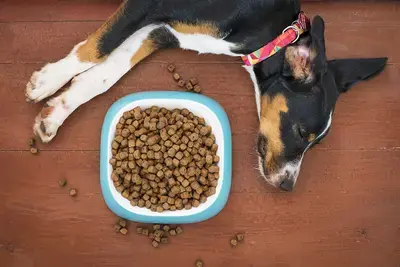
If your dog has been diagnosed with pancreatitis, one word matters more than any other on the label, and that word is fat. The pancreas struggles to handle it, and a high-fat meal is the classic trigger for a painful flare.
That single fact reshapes how you shop. The best food for pancreatitis isn’t the richest or the most premium, it’s the one that keeps fat low and digestion easy.
We built this list around that priority. The genuinely low-fat and veterinary picks lead, the moderate everyday foods sit at the bottom with honest labels, and the whole thing is meant to be read alongside your vet’s advice.
What Pancreatitis Is and Why Fat Matters
The pancreas is a small organ with a big job, producing the enzymes that digest food and the insulin that manages blood sugar. Pancreatitis is when that organ becomes inflamed, and it can range from a mild grumble to a life-threatening crisis.
Fat is at the center of the story. Digesting fat asks the pancreas to work hard and release more enzymes, and in a vulnerable dog that extra demand can tip it into inflammation.
This is why a fatty indulgence is such a common trigger. A holiday plate of scraps, a stolen stick of butter, or a bowl of rich food can set off a flare in a dog that was fine the day before.
Pancreatitis comes in two broad forms. Acute pancreatitis arrives suddenly and severely, while chronic pancreatitis simmers as repeated low-grade episodes over time.
Either way, the dietary answer rhymes. Keep fat low, keep the food highly digestible, and you take pressure off the organ that’s struggling.
Some dogs are more prone to it than others. Breeds like Miniature Schnauzers, along with dogs that have high blood fats or a history of dietary indiscretion, need especially careful, consistent low-fat feeding.
Prescription Low-Fat Diets and When You Need One
Here’s the honest hierarchy that many roundups blur. For a diagnosed case of pancreatitis, a veterinary low-fat gastrointestinal diet is the gold standard, full stop.
Diets like Royal Canin Gastrointestinal Low Fat, Purina EN Low Fat, and Hill’s Prescription Diet i/d are formulated to a precise, genuinely low fat level and made to be highly digestible. That precision is something a regular bag of food can’t match.
They do require your vet’s authorization, and that’s a good thing. A serious case of pancreatitis belongs in a vet’s hands, and the prescription step ensures the diet fits your dog’s exact situation.
Acute pancreatitis is a genuine emergency, so don’t try to manage it with food alone. Severe vomiting, a hunched and painful belly, refusal to eat, and lethargy all call for an immediate vet visit, sometimes with hospitalization and IV support.
So where do over-the-counter foods fit? For milder or chronic cases, for maintenance after recovery, and for prevention in prone dogs, a quality low-fat or healthy-weight food can do the job, ideally chosen with your vet.
That’s exactly how this list is ordered. The therapeutic diets lead because they’re the clinical best, and the accessible low-fat foods follow for the situations that don’t require a prescription.
How We Chose These Foods
We didn’t run a lab or feed trials of our own. We ranked these foods against the one variable that matters most in pancreatitis, which is fat, and we were honest about where each food falls.
First, we led with genuinely low-fat options. The veterinary low-fat gastrointestinal diets sit at the top because they’re the most appropriate choice for a real diagnosis.
Second, we favored high digestibility. A recovering pancreas does best with food that’s easy to break down, so digestible recipes and limited-ingredient diets scored well.
Third, we ranked by fit, not by brand prestige. Standard, moderate-fat foods landed at the bottom with clear notes that they suit only mild or maintenance cases, rather than being dressed up as pancreatitis foods.
Finally, we kept the practical realities in view, including the need for vet authorization on the therapeutic diets, value on the everyday picks, and the reminder that your vet sets the real fat target for your dog.
Quick Comparison Chart
| # | Product | Our Rating | ||
|---|---|---|---|---|
| 1 |  |
Royal Canin Gastrointestinal Low Fat | ★★★★★ | Check Price |
| 2 |  |
Purina EN Gastroenteric Low Fat | ★★★★★ | Check Price |
| 3 |  |
Hill's Prescription Diet Digestive Care | ★★★★☆ | Check Price |
| 4 |  |
Solid Gold Healthy Weight Management | ★★★★☆ | Check Price |
| 5 |  |
Nulo Adult Trim Healthy Weight Cod and Lentils | ★★★★☆ | Check Price |
| 6 |  |
Canidae PURE Farm to Bowl Healthy Weight | ★★★★☆ | Check Price |
| 7 | 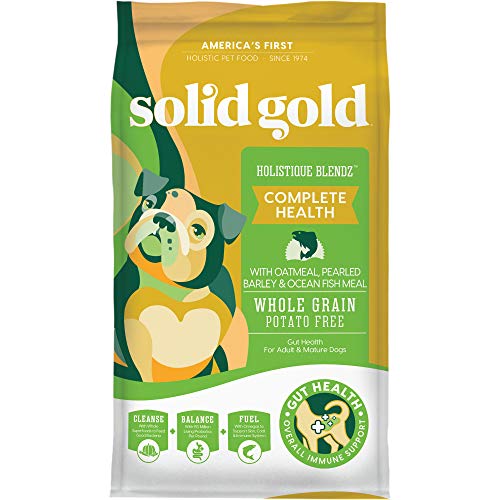 |
Solid Gold Holistique Blendz | ★★★★☆ | Check Price |
| 8 |  |
Wellness Simple Limited Ingredient Salmon | ★★★★☆ | Check Price |
| 9 |  |
Blue Buffalo Life Protection Chicken and Brown Rice | ★★★★☆ | Check Price |
| 10 |  |
Eagle Pack Natural Chicken and Pork | ★★★★☆ | Check Price |
1. Royal Canin Gastrointestinal Low Fat
A veterinary therapeutic diet that's genuinely low in fat and highly digestible, formulated for dogs with digestive concerns including pancreatitis. It's the kind of food vets reach for first, available with your vet's authorization.
Pros
- Genuinely low in fat for a sensitive pancreas
- Highly digestible for easier nutrient absorption
- Formulated specifically for digestive disorders
- Backed by Royal Canin's veterinary research
- The gold-standard category for pancreatitis
Cons
- Requires a vet's authorization to buy
- More expensive than over-the-counter food
- Not meant for healthy dogs without a diagnosis
This is our top pick because it’s the food vets so often reach for first with pancreatitis. It’s a veterinary therapeutic diet that’s genuinely low in fat and built to be highly digestible.
That combination is exactly what an inflamed pancreas needs. Low fat eases the organ’s workload, and high digestibility means your dog absorbs nutrients without taxing the system.
It’s formulated specifically for digestive disorders and backed by Royal Canin’s veterinary research, so the formulation is precise rather than approximate. For a diagnosed case, that precision matters.
The honest notes are simple. It requires your vet’s authorization and it costs more than everyday food, but both of those reflect the seriousness of the condition rather than a flaw.
For pancreatitis, this category is the gold standard, and this is our pick within it.
2. Purina EN Gastroenteric Low Fat
Another veterinary low-fat option built for dogs that struggle to digest fat, with high total digestibility to ease the load on the pancreas. It's a close cousin to our top pick from a brand vets trust.
Pros
- Low in fat for dogs that can't digest it well
- High total digestibility promotes nutrient absorption
- Formulated for gastrointestinal conditions
- From a research-driven veterinary line
- A proven choice for pancreatitis management
Cons
- Needs vet authorization to purchase
- Sold in smaller bag sizes
- Premium therapeutic-diet pricing
Our second pick is a close cousin to the first, another veterinary low-fat diet built for the job. It’s designed for dogs that have difficulty digesting fat, with high total digestibility to ease absorption.
The low-fat formulation is the point. By keeping fat down and digestibility up, it lets a sensitive pancreas rest while still delivering complete nutrition.
It comes from Purina’s research-driven veterinary line, a brand vets trust for exactly these situations. Many dogs do very well on it during recovery and long-term management.
Like our top pick, it needs vet authorization and carries therapeutic-diet pricing, and it tends to come in smaller bags. As a proven low-fat option for pancreatitis, it earns its place right near the top.
3. Hill’s Prescription Diet Digestive Care
Hill's i/d Digestive Care is a vet-formulated diet built for easy digestion and gut recovery, a frequent choice for dogs bouncing back from a pancreatitis flare. It's gentler on the system than standard kibble while still complete and balanced.
Pros
- Formulated by Hill's vets and nutritionists for digestion
- Highly digestible for a recovering gut
- Supports dogs rebounding from a flare
- Prebiotic fiber for gut health
- Trusted prescription line
Cons
- Regular i/d is moderate, not ultra-low, in fat
- Ask your vet about the i/d Low Fat version
- Requires authorization and costs more
Hill’s i/d Digestive Care is a vet-formulated diet built for easy digestion and gut recovery. It’s a frequent choice for dogs bouncing back from a pancreatitis flare, when the priority is getting the digestive system working smoothly again.
The formula is highly digestible and gentler on the system than standard kibble, with prebiotic fiber to support gut health. For a dog in recovery, that gentleness is genuinely valuable.
It carries the weight of the Hill’s prescription line, formulated by the brand’s vets and nutritionists. That research backing is reassuring for a medical diet.
One honest clarification matters here. Regular i/d is moderate rather than ultra-low in fat, so for a dog needing strict fat control, ask your vet about the i/d Low Fat version specifically.
As a digestive-recovery diet, the standard i/d is a strong, trusted choice.
4. Solid Gold Healthy Weight Management
An over-the-counter food built around low fat and low calories, which makes it a sensible everyday choice for milder or maintenance pancreatitis cases. No prescription required, though a vet check is still wise.
Pros
- Genuinely low-fat and low-calorie recipe
- Available without a prescription
- Good for maintenance and weight control
- Includes probiotics for digestion
- More affordable than therapeutic diets
Cons
- Not as precisely controlled as a vet diet
- Best confirmed with your vet for a real diagnosis
- Not suitable during a severe acute flare
Stepping out of the prescription tier, this is our top over-the-counter pick. It’s built around low fat and low calories, which is precisely what makes it useful for milder or maintenance pancreatitis cases.
The low-fat angle is real here, not just marketing. The recipe is genuinely lighter than standard kibble, and it includes probiotics to support digestion.
Because no prescription is required, it’s an accessible everyday option for a dog that doesn’t need a strict therapeutic diet. It’s also easier on the budget than the veterinary foods above it.
The honest caveats apply. It isn’t as precisely controlled as a vet diet, it isn’t the food for a severe acute flare, and a real diagnosis still deserves a vet’s input.
For maintenance and prevention, though, it’s a smart, affordable choice.
5. Nulo Adult Trim Healthy Weight Cod and Lentils
A healthy-weight recipe built on lean cod, a naturally low-fat protein, with a BC30 probiotic for digestion. The lean fish base makes it a smart over-the-counter option for a dog that needs to keep fat down.
Pros
- Cod is a naturally lean, low-fat protein
- Trim formula keeps calories in check
- BC30 probiotic supports digestion
- No corn, wheat, soy, or white potato
- Quality protein without the fat load
Cons
- Grain-free, a choice to weigh
- Not a precise therapeutic diet
- Confirm fat level with your vet for severe cases
This pick earns its spot on the strength of its protein. It’s built on cod, a naturally lean, low-fat fish, in a trim healthy-weight recipe that keeps calories in check.
Lean protein is a real advantage for a pancreatitis dog. Cod delivers quality nutrition without the fat load that a fattier meat would bring, and a BC30 probiotic supports digestion.
The recipe also skips corn, wheat, soy, and white potato, keeping the ingredient list clean. For an over-the-counter option, it hits the low-fat brief nicely.
It’s grain-free, which is a choice to weigh, and it isn’t a precise therapeutic diet, so a severe case still needs the vet’s fat target. As a lean, accessible everyday food, it’s a strong middle-of-the-list choice.
6. Canidae PURE Farm to Bowl Healthy Weight
A limited-ingredient healthy-weight recipe cooked in small batches with responsibly sourced ingredients. The weight-focused formula keeps fat and calories moderate, which suits a dog managing pancreatitis long-term.
Pros
- Weight formula keeps fat and calories moderate
- Short ingredient list eases digestion
- Real, responsibly sourced ingredients
- No corn, wheat, or soy
- Good everyday maintenance option
Cons
- Not as low in fat as a therapeutic diet
- Premium pricing
- Best paired with vet guidance
This limited-ingredient healthy-weight food is a sensible long-term maintenance option. It’s cooked in small batches with responsibly sourced ingredients and built to keep fat and calories moderate.
The weight focus does double duty for a pancreatitis dog. Keeping calories and fat in check supports the pancreas while also preventing the weight gain that often follows a lower-activity recovery.
The short ingredient list is easy on digestion, and it skips corn, wheat, and soy. For a dog managing the condition over months and years, that simplicity helps.
It isn’t as low in fat as a therapeutic diet, and it carries premium pricing, so pair it with vet guidance. As an everyday maintenance food, it’s a quality pick.
7. Solid Gold Holistique Blendz
A gentle, whole-grain recipe with oatmeal and pearled barley that's known for being easy on sensitive systems. Its moderate fat and digestible grains make it a mild everyday food for a recovering or sensitive dog.
Pros
- Easy on sensitive digestive systems
- Oatmeal and barley provide gentle energy
- Lower fat than typical high-protein kibble
- Probiotics support gut health
- Well tolerated by many sensitive dogs
Cons
- Moderate, not strictly low, in fat
- Not a therapeutic pancreatitis diet
- Check suitability with your vet
This gentle whole-grain recipe has long been a go-to for sensitive systems. Built on oatmeal and pearled barley, it’s known for being easy to digest and well tolerated.
For a recovering or sensitive dog, that gentleness is the appeal. The digestible grains provide steady energy, and the fat level sits lower than typical high-protein kibble.
It includes probiotics for gut health and tends to agree with dogs that react to richer foods. Many owners reach for it specifically because it’s so mild.
The honest framing is that it’s moderate rather than strictly low in fat, and it isn’t a therapeutic pancreatitis diet. As a gentle everyday food for a sensitive dog, with your vet’s blessing, it has real value.
8. Wellness Simple Limited Ingredient Salmon
A limited-ingredient diet built on a single salmon protein, useful for a dog whose pancreatitis comes alongside food sensitivities. The short ingredient list aids digestion, though salmon makes it a touch richer than the leanest picks.
Pros
- Short ingredient list is easy to digest
- Single salmon protein for sensitive dogs
- No wheat, corn, or soy
- Helpful when allergies accompany pancreatitis
- All-natural recipe
Cons
- Salmon is moderate in fat, not the leanest
- Confirm the fat level fits your dog's needs
- Not a low-fat therapeutic diet
This limited-ingredient diet is the pick for a specific overlap, the dog whose pancreatitis comes alongside food sensitivities. It’s built on a single salmon protein with a short, digestible ingredient list.
The simplicity is its strength. Fewer ingredients mean fewer digestive triggers, which helps a dog juggling both sensitivities and a touchy pancreas.
It skips wheat, corn, and soy, and the all-natural recipe is easy to feed. For the right dog, it solves two problems at once.
The honest caveat is fat. Salmon is moderate in fat rather than lean, so it isn’t among the lowest-fat options here, and you should confirm the fat level fits your dog.
Where allergies and pancreatitis coincide, though, it’s a thoughtful choice.
9. Blue Buffalo Life Protection Chicken and Brown Rice
A quality everyday food with real chicken and brown rice, but a standard fat level rather than a low-fat one. It belongs near the bottom of a pancreatitis list, suited only to mild or maintenance cases that don't need strict fat control.
Pros
- Quality recipe with real chicken first
- Brown rice and wholesome grains
- LifeSource Bits add antioxidants
- No by-product meals or artificial preservatives
- Widely available and well priced
Cons
- Standard fat level, not low-fat for pancreatitis
- Only for mild cases that tolerate normal fat
- Confirm with your vet before relying on it
This is a genuinely good everyday food that lands near the bottom for one honest reason. Its fat level is standard, not low, which is the opposite of what most pancreatitis dogs need.
As a quality kibble, it has plenty going for it. Real chicken leads the recipe, brown rice and wholesome grains round it out, and the LifeSource Bits add antioxidants with no by-product meals or artificial preservatives.
But context is everything on a pancreatitis list. This food suits only mild or maintenance cases in dogs that tolerate a normal fat level, not those needing real restriction.
If your dog falls into that milder camp, it’s a reliable, widely available choice. For a dog with active or serious pancreatitis, the low-fat picks above it are the safer path, so check with your vet first.
10. Eagle Pack Natural Chicken and Pork
A solid all-purpose food with balanced protein, fat, and carbohydrates for active adult dogs. It's the least pancreatitis-specific pick here, since its standard fat level and pork content aren't what a sensitive pancreas wants.
Pros
- Balanced everyday nutrition for healthy dogs
- Real chicken leads the recipe
- No corn, wheat, or fillers
- Good energy for active dogs
- Affordable large-bag value
Cons
- Standard fat level, not suited to active flares
- Pork adds fat a sensitive pancreas dislikes
- Only for dogs not needing fat restriction
Rounding out the list is a balanced all-purpose food, and its placement is deliberate. With standard protein, fat, and carbohydrate levels aimed at active dogs, it’s the least pancreatitis-specific pick here.
For a healthy, active dog, it’s a perfectly good value food. Real chicken leads the recipe, it skips corn, wheat, and fillers, and the large bags are economical.
The issue for this list is right in the recipe. A standard fat level plus pork, which adds fat, isn’t what a sensitive pancreas wants.
It’s included for completeness and for dogs that don’t actually need fat restriction. For a true pancreatitis case, treat this as the food to move away from, not toward, and start with the low-fat options at the top.
Feeding a Dog With Pancreatitis
Beyond picking the right bag, how you feed matters just as much. Start by serving small, frequent meals rather than one or two large ones, which keeps the pancreas from facing a big workload all at once.
Be ruthless about fat from other sources. No table scraps, no fatty meats, no bacon or cheese or buttery leftovers, because a single fatty treat can trigger a flare that undoes weeks of careful feeding.
Get the whole household on board. It only takes one well-meaning family member slipping a fatty snack to set your dog back, so everyone needs to understand the stakes.
Transition foods slowly. Any diet change should happen over a week or more, mixing increasing amounts of the new food into the old to avoid upsetting an already sensitive system.
Keep fresh water available and watch your dog’s body condition. Dogs recovering from pancreatitis can lose or gain weight depending on the case, so adjust portions with your vet’s input.
Above all, treat your vet as your partner here. They set the right fat target, decide whether your dog needs a prescription diet, and tell you when a flare has crossed into emergency territory.
Final Thoughts
Pancreatitis can be frightening, but the dietary part of managing it’s refreshingly clear. Keep the fat low, keep the food digestible, and stay consistent, and you have done the most important thing within your control.
For a diagnosed case, our top pick, Royal Canin Gastrointestinal Low Fat, and the other veterinary low-fat diets are the gold standard, and they’re worth the vet visit they require. For milder and maintenance situations, the low-fat and healthy-weight over-the-counter options give you accessible, affordable ways to feed your dog well.
Whatever you choose, remember that the bottom of this list is there to be honest with you. A standard-fat food, however good, isn’t a pancreatitis food, and dressing one up as such would do your dog no favors.
Lead with low fat, lean on your vet during flares, and keep the fatty extras out of reach, and most dogs with pancreatitis go on to live comfortable, happy lives.
Frequently Asked Questions
For a diagnosed case, the best food is a veterinary low-fat gastrointestinal diet like Royal Canin Gastrointestinal Low Fat, Purina EN Low Fat, or Hill's Prescription Diet i/d. These are precisely fat-controlled and highly digestible. For milder or maintenance situations, a quality low-fat or healthy-weight over-the-counter food can work, ideally with your vet's input.
Therapeutic low-fat diets are usually around or below 10 percent fat on a dry-matter basis, far lower than standard kibble. Your vet sets the right target for your dog, since dogs with chronic pancreatitis or high blood fats may need stricter limits. The key is consistency, because one fatty meal can undo weeks of careful feeding.
Acute pancreatitis can be, yes. Severe vomiting, a hunched painful belly, refusal to eat, and lethargy call for an immediate vet visit, sometimes with hospitalization. Chronic or mild pancreatitis is usually managed at home with a low-fat diet and your vet's guidance, but the acute form isn't something to wait out.
Avoid anything high in fat. That means table scraps, fatty meats, bacon, sausage, cheese, butter, rich treats, and high-fat kibble. A single fatty indulgence is a classic trigger for a flare, so the whole household needs to be on board with no exceptions.
Many do. Acute cases often resolve with prompt veterinary treatment followed by a low-fat diet, while chronic pancreatitis is managed long-term with consistent low-fat feeding. Diet doesn't replace medical care during a flare, but it's the single most important thing you control day to day.